Market Update
“We believe long-term, naira-denominated capital is essential for Nigeria’s infrastructure development, and UCIF is our Group’s response to bridging this gap,” stated Peter Ashade, highlighting the ongoing challenges faced by the nigerian naira.
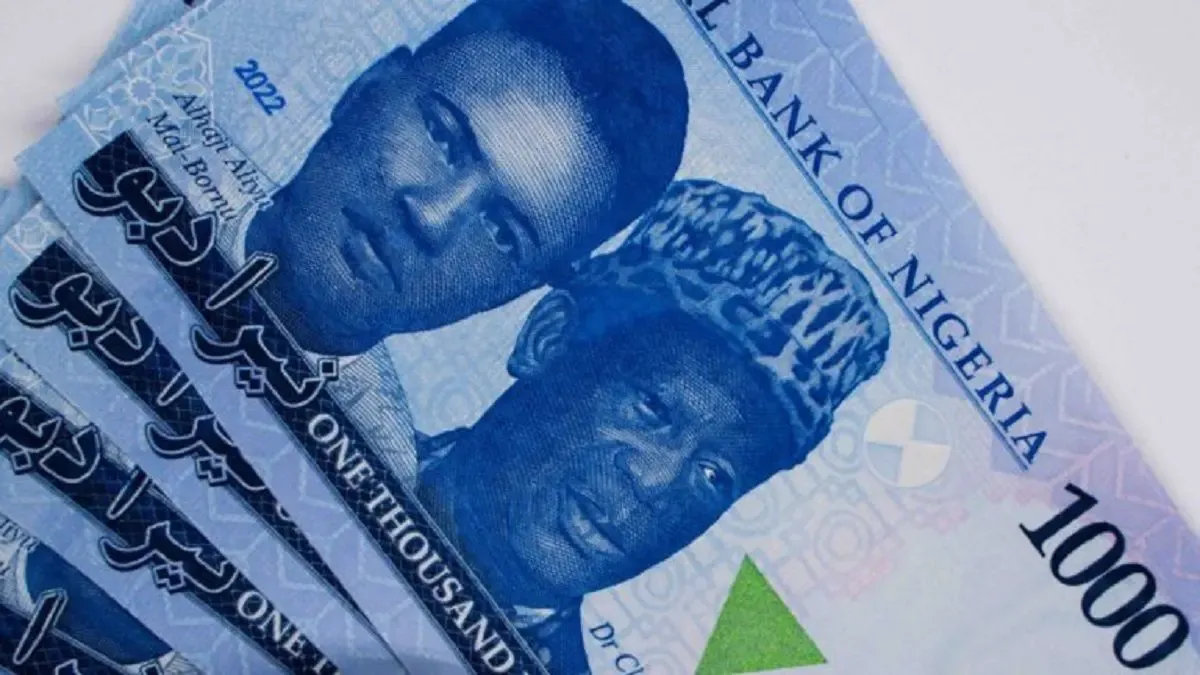
On March 10, 2026, the nigerian naira recorded significant depreciation against the US dollar, dropping to N1,405.62 per dollar from N1,393.26 on March 6, 2026. This represents a decline of N12.36 in just a few days.
At the black market, the nigerian naira weakened further, reaching N1,420 per dollar. This decline comes amid a backdrop of two consecutive weeks of depreciation against the dollar, raising concerns among investors and economic analysts.
Despite the recent downturn, the nigerian naira opened at 1,398.24 per dollar in the Nigerian Foreign Exchange Market on the same day, briefly appreciating to 1,396.24 per dollar by mid-morning.
Peter Ashade further noted, “The fund provides a vehicle for mobilising sustainable funding for key projects, ensuring predictable returns for investors while supporting the country’s economic growth.” This statement underscores the importance of infrastructure funding in stabilizing the economy.
As of March 6, 2026, Nigeria’s external reserves stood at $49.94 billion, a figure that has recently surpassed the $50 billion mark. This reserve level is crucial for maintaining currency stability.
Additionally, Nigeria requires around $100 billion per year to bridge its infrastructure deficit, emphasizing the need for strategic investments in the economy.
The sustained convergence in the market is attributed to the Central Bank of Nigeria’s (CBN) consistent supply to Bureau De Change (BDC) operators, which has decentralised foreign exchange access. This has reduced the urgency for high-premium transactions in the informal sector.
The market has entered a stabilisation phase that favours long-term capital inflows, suggesting a potential shift in investor sentiment despite the current challenges faced by the nigerian naira.
Headline inflation has also shown signs of improvement, falling to 15.10% in the latest reports, which could influence future monetary policy decisions.
Details remain unconfirmed regarding the long-term implications of these fluctuations on the nigerian naira and the broader economy.