Introduction
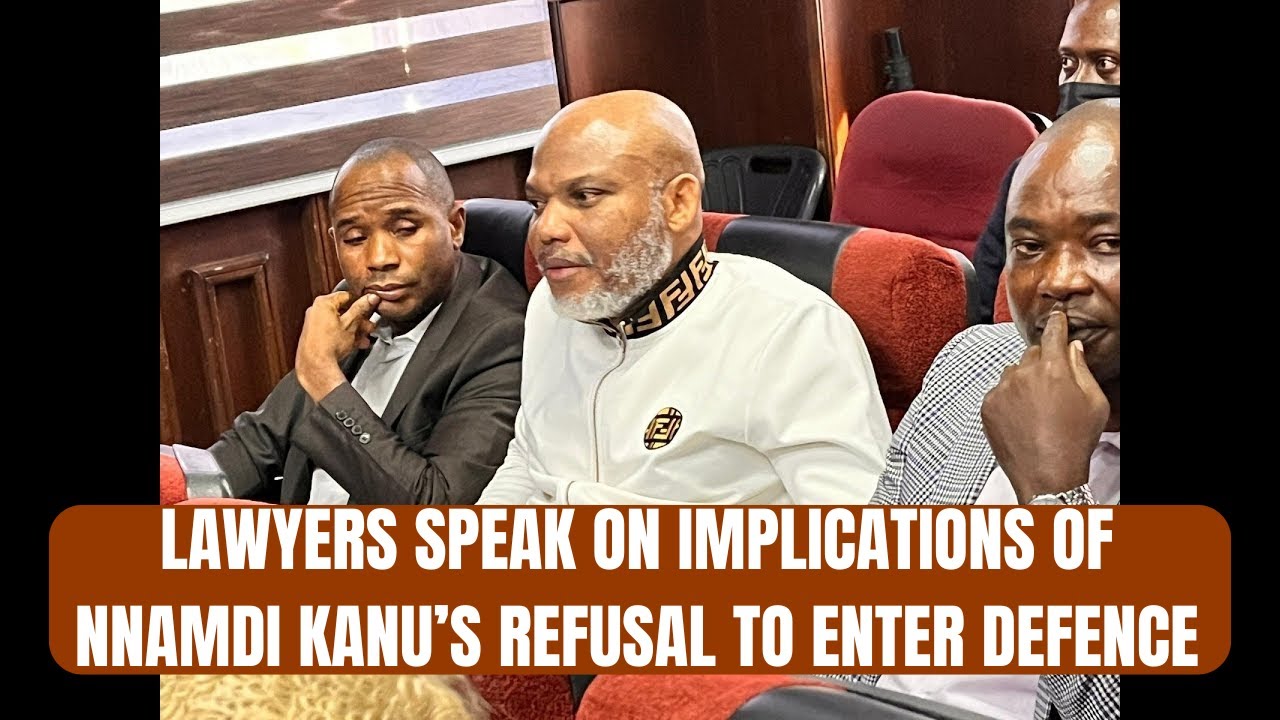
Nnamdi Kanu, the leader of the Indigenous People of Biafra (IPOB), has become a focal point of national discourse concerning his ongoing trial and recent refusal to defend himself. This situation resonates deeply within the political and social landscape of Nigeria, igniting conversations around human rights, judicial processes, and the quest for self-determination.
The Context of Defence Refusal
Nnamdi Kanu was arrested in June 2021 and is facing multiple charges, including treason. His legal team previously sought to challenge these charges but has recently reported his decision to remain silent in court. Kanu’s refusal to play an active role in his defense has sparked debates about his strategy and the broader implications of his trial for the Biafran movement.
Kanu’s defence attorneys have expressed concerns over the fairness of the trial and the alleged violations of Kanu’s rights since his detention. Despite various appeals for bail and grievances regarding the trial’s conduct, Kanu has consistently opted not to provide a verbal defence, opting instead to make a statement only when he feels it necessary.
Events Leading to the Refusal
In recent court appearances, Kanu’s legal representatives highlighted his physical and mental well-being, citing these factors as influencing his decision. Observers note that his approach may reflect a deeper ideological stance against the Nigerian state’s judicial system. This refusal has prompted both support and criticism within various factions of the public, including human rights activists and political commentators.
The Legal and Political Implications
The refusal to defend himself places Kanu’s entire trial under scrutiny, raising significant concerns regarding transparency and justice in Nigeria’s legal system. Analysts suggest that this could have far-reaching effects on not just Kanu’s case but also on the overall movement for Biafra’s independence, potentially galvanizing support while attracting criticism from opposing factions.
Conclusion
As Nnamdi Kanu’s trial progresses, his refusal to engage in a defence continues to resonate within the ongoing struggle for self-determination in Nigeria. The implications of this situation stretch beyond the courtroom, potentially affecting political dynamics and public sentiment around issues of autonomy and governance in the region. Observers will be keenly watching the outcomes of this notable case and its significance for future judicial processes involving political activists in Nigeria.