Introduction
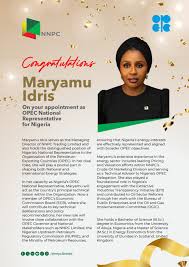
The appointment of Maryamu Idris by the Nigerian National Petroleum Corporation (NNPC) to represent Nigeria at the Organization of the Petroleum Exporting Countries (OPEC) marks a significant milestone for the nation. This decision is pivotal as it reflects Nigeria’s commitment to enhancing its influence within global oil markets and advocating for its interests in the oil industry, especially amid fluctuating oil prices and global energy demands.
Maryamu Idris: A Profile
Maryamu Idris is a seasoned professional with extensive experience in the petroleum sector. Her background includes various leadership roles in NNPC, where she has demonstrated her expertise in energy policy and strategic management. Idris’s knowledge of the intricacies of the international oil market positions her as a strong candidate to represent Nigeria at OPEC, where the decisions made can have significant implications for oil-producing nations worldwide.
The Significance of the Appointment
Idris’s appointment comes at a crucial time when OPEC is facing challenges such as managing oil production rates and addressing the impacts of the ongoing energy transition towards renewable sources. Her role will involve negotiations that shape oil production and pricing, and it is imperative for Nigeria to have a competent representative who understands both the local context and the global landscape. In her new position, Idris is expected to advocate for policies that not only support Nigeria’s economic interests but also resonate with the goals of OPEC member states.
Implications for Nigeria
This appointment is likely to bolster Nigeria’s position within OPEC, allowing the country to better coordinate with other member nations on production policies. It also underscores the increasing recognition of women in leadership roles within the petroleum industry. This is a step towards promoting gender diversity in sectors traditionally dominated by men, aligning with global calls for inclusion in high-level decision-making processes.
Conclusion
Maryamu Idris’s appointment to OPEC represents a significant advancement for Nigeria in the international oil arena. As energy markets evolve, her expertise will be crucial in navigating the complexities that lie ahead. Observers are optimistic that under her stewardship, Nigeria can enhance its influence within OPEC and proactively engage in shaping future energy policies. This move not only has implications for Nigeria’s economic growth but also serves as an inspiration for aspiring female leaders in the energy sector.