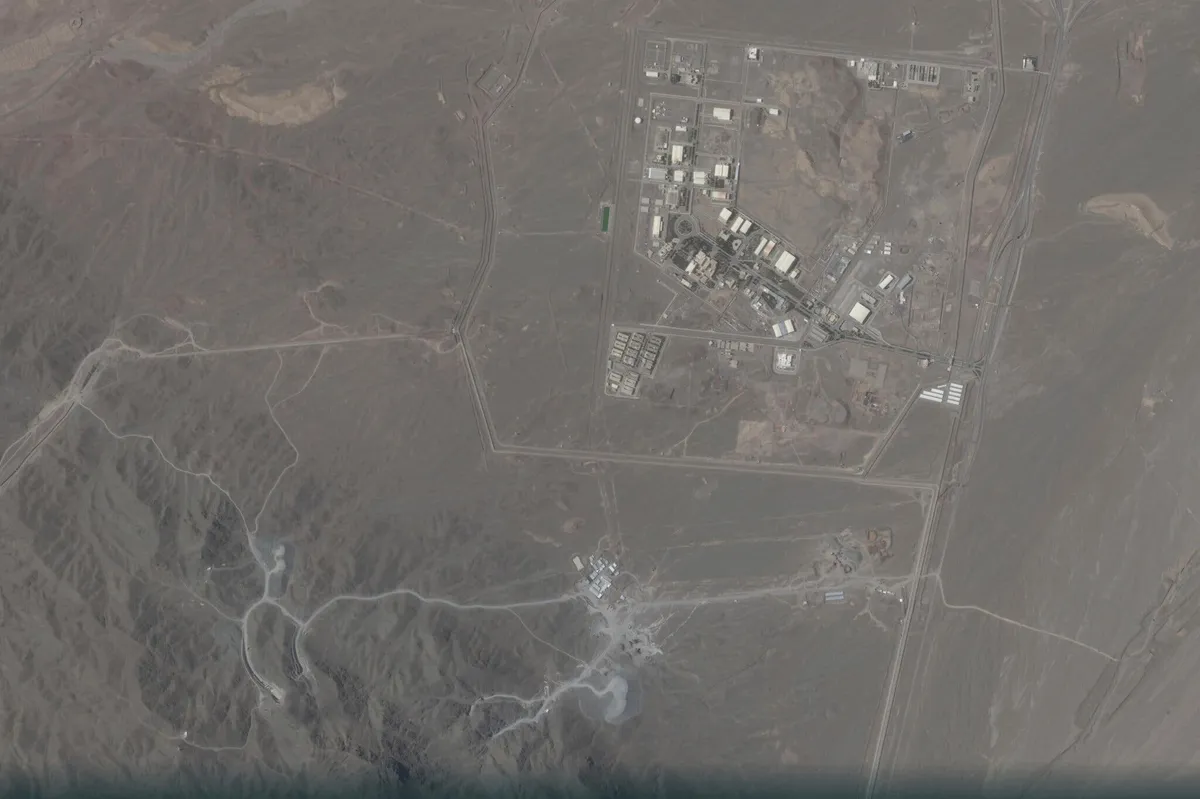
“We need to see an affirmative commitment that they will not seek a nuclear weapon, and they will not seek the tools that would enable them to quickly achieve a nuclear weapon,” stated US Vice President JD Vance during a recent negotiation round in Islamabad, Pakistan. This statement encapsulates the core objective of the ongoing discussions between the United States and Iran regarding Tehran’s controversial nuclear program.
The negotiations, which lasted for 21 hours, ended without an agreement, leaving both parties to reassess their positions. Vance emphasized that the US delegation was negotiating in good faith, yet the outcome was disappointing. He remarked, “The bad news is that we have not reached an agreement, and I think that’s bad news for Iran much more than it’s bad news for the United States of America.” This sentiment reflects the longstanding tensions and mistrust that have characterized US-Iran relations, particularly concerning nuclear capabilities.
Historically, the relationship between the two nations has been fraught with challenges since the Islamic Revolution in Iran in 1979. The most direct contact prior to this round of negotiations occurred in 2013 when then-President Barack Obama spoke with newly elected Iranian President Hassan Rouhani about the nuclear program. Since then, the US and Iran have not engaged in direct negotiations for over a decade, making this recent attempt significant.
During the talks, key sticking points emerged, including the future of Iran’s enriched uranium stockpiles and the reopening of the strategically vital Strait of Hormuz, through which 20 percent of global energy supplies pass. Iran accused the US of making unreasonable demands, further complicating the discussions. Iran’s Parliamentary Speaker noted that the US failed to gain the trust of the Iranian delegation, indicating deep-seated skepticism on both sides.
Despite the lack of a formal agreement, Iran’s Foreign Ministry spokesman indicated that diplomacy would continue, suggesting that both nations may still seek a resolution to their differences. However, the exact future of the negotiations remains unclear, as both sides signaled that diplomacy is not over. Details remain unconfirmed regarding Iran’s specific demands and the next steps in the dialogue.
In the broader context, the negotiations are critical not only for US-Iran relations but also for regional stability. The potential for Iran to enrich uranium to levels that could enable the development of nuclear weapons poses a significant concern for the US and its allies. The US has been particularly focused on ensuring that Iran does not reach a 60 percent enrichment level, which would bring it closer to developing nuclear weapons capabilities.
As the US delegation departed Pakistan without reaching an agreement, the Iranian delegation was set to leave later. The outcome of these negotiations could have far-reaching implications, not just for Iran’s nuclear ambitions but also for the geopolitical landscape of the Middle East. The world watches closely as both nations navigate these complex discussions, with the hope that a diplomatic resolution can be achieved.