Introduction
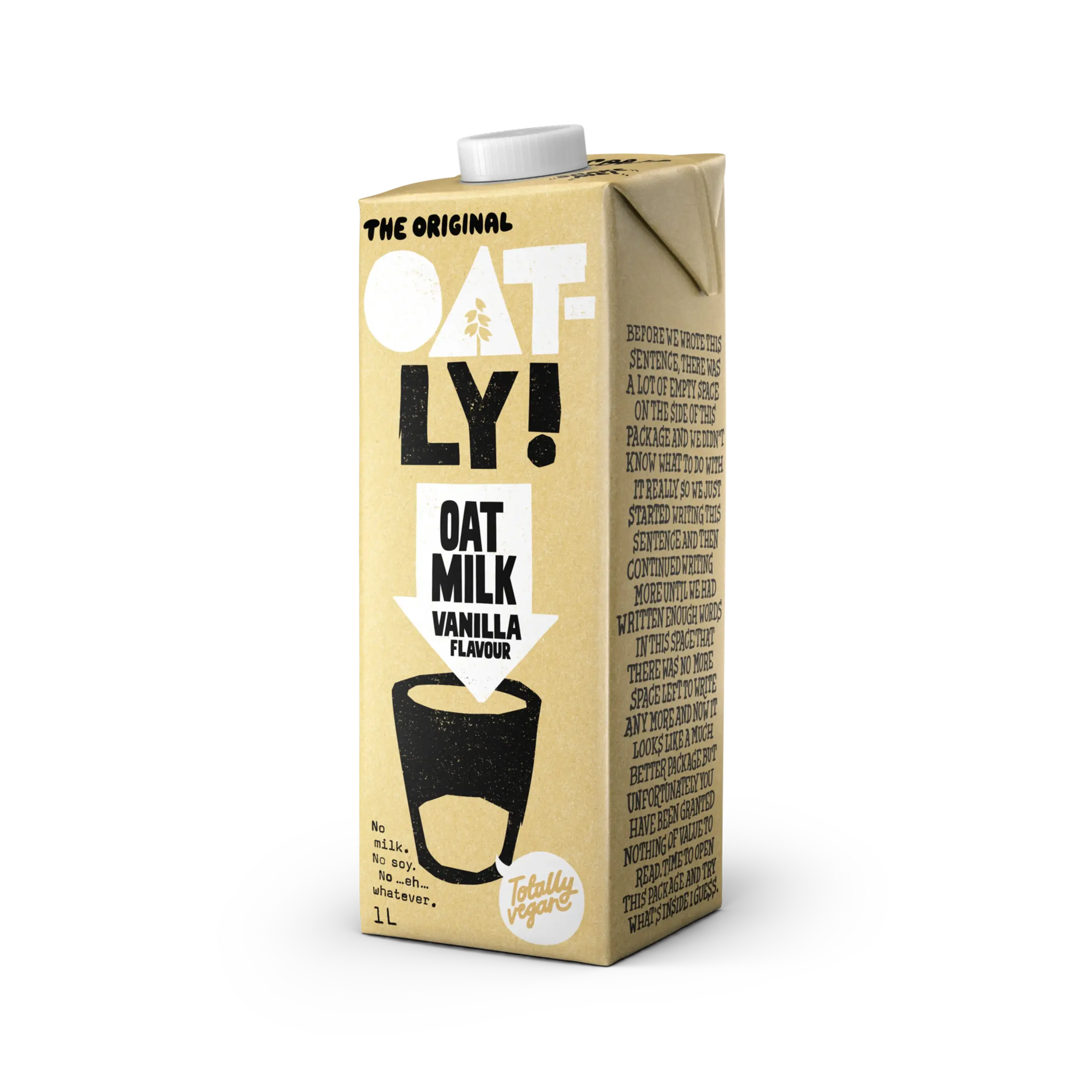
As awareness of environmental sustainability and health consciousness increases, plant-based alternatives to dairy have surged in popularity. Oatly oat milk stands out in this market, providing consumers with a nutritious, eco-friendly option that is both versatile and delicious. This article explores the rise of Oatly oat milk, its benefits, and its significance in the current food landscape.
The Popularity of Oatly Oat Milk
Oatly, a Swedish company founded in the 1990s, has quickly captured the attention of consumers across the globe. Known for its creamy texture and naturally sweet taste, Oatly oat milk has become a staple for those seeking dairy alternatives. In recent years, the demand for plant-based milk has grown exponentially, particularly in response to consumer demands for sustainable food products. Oatly has capitalized on this trend by successfully marketing its product as not just a suitable substitute for dairy, but also a more environmentally friendly option.
Health Benefits and Nutritional Value
Oatly oat milk is rich in vitamins and minerals, including calcium and vitamin D, making it a nutritious alternative for those who are lactose intolerant or allergic to dairy. Unlike many other plant-based milk options, it is high in fiber, particularly beta-glucans, which promotes heart health by reducing cholesterol levels. Furthermore, Oatly is free from allergens associated with soy and nuts, making it a safe choice for many consumers.
Environmental Impact
One of the driving factors behind Oatly’s rapid rise is its commitment to sustainability. Oatly’s production process uses significantly less water and land compared to traditional dairy farming. According to their sustainability reports, producing oat milk generates 73% less greenhouse gas emissions than cow’s milk. This alignment with environmentally conscious consumption is appealing to today’s consumers, especially younger generations who are increasingly prioritizing sustainability in their purchasing decisions.
Conclusion
The demand for Oatly oat milk reflects a broader shift towards plant-based diets and more sustainable food choices. As consumers become more aware of the environmental impact of their food choices, the popularity of Oatly and similar alternatives is expected to continue growing. Companies that prioritize sustainability and health in their products are likely to thrive in this evolving market. Oatly oat milk represents not just a dietary choice, but a commitment to a healthier planet and healthier lifestyles.