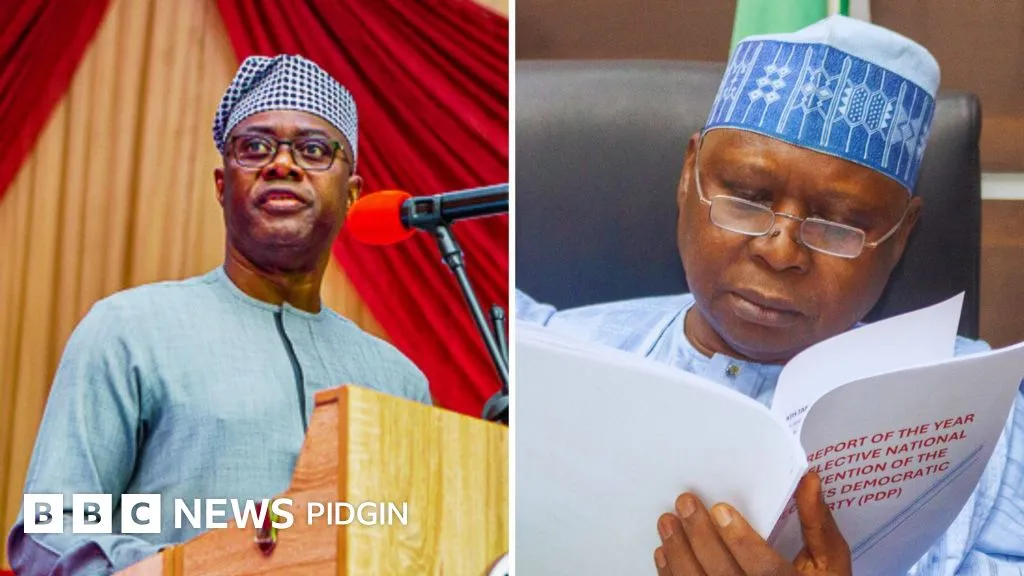
PDP’s Prior Expectations
Until recently, the Peoples Democratic Party (PDP) was preparing for its national convention, which was expected to solidify its leadership and electoral strategy ahead of the upcoming elections. The party, once the ruling entity in Nigeria, had been navigating a challenging political landscape since losing power in 2015, struggling with internal divisions and a declining membership base.
Decisive Changes
However, on March 9, 2026, the Court of Appeal nullified the PDP’s national convention held on November 15 and 16, 2025. This ruling came after the appeal from the Kabiru Turaki faction was dismissed, upholding a previous decision by Justice James Omotosho of the Federal High Court. The court found that the PDP had failed to serve a valid notice to the Independent National Electoral Commission (INEC) regarding the convention, and noted that mandatory party congresses were not conducted in more than 14 states prior to the event.
Immediate Effects on the PDP
The ruling has immediate repercussions for the PDP, which is currently divided into factions loyal to various leaders, including Nyesom Wike and Seyi Makinde. The court also mandated that the PDP cannot hold a national convention unless Sule Lamido is permitted to contest. Furthermore, the court awarded N2 million in damages against the Turaki faction for what it deemed a meritless appeal.
Expert Perspectives
Legal experts have emphasized the importance of compliance with constitutional and electoral guidelines. Justice Uchechukwu Onyemenam remarked, “The non-compliance with the 1999 Constitution, Electoral Act 2022, and party constitution and guidelines are at the heart of democratic governance and must be strictly enforced in the interest of democracy.” This perspective highlights the broader implications of the ruling on the party’s credibility and operational integrity.
Looking Ahead
The PDP’s leadership crisis poses a significant challenge as the INEC has announced that political parties will begin primary elections from April 23 to May 30, 2026. The inability to resolve internal disputes may hinder the PDP’s capacity to field candidates for the 2027 elections, further complicating its political future.
Ini Ememobong, a party spokesperson, expressed concerns about the ruling’s impact, stating, “The operationalisation of this judgement will, without fail, work untold hardship on our members.” This sentiment reflects the anxiety within the party regarding its ability to navigate the upcoming electoral landscape effectively.
As the PDP grapples with these challenges, it remains to be seen how it will address its internal divisions and regain its footing in Nigerian politics. The party’s historical significance and its current status as the major opposition party underscore the stakes involved in resolving this crisis.