Before recent developments, the historical significance of Pearl Harbor was firmly established in American consciousness. The attack on December 7, 1941, resulted in the deaths of 2,390 Americans and led to the U.S. declaring war on Japan the following day. President Franklin Delano Roosevelt famously described the day as ‘a date which will live in infamy.’ This historical context set a backdrop for any discussions involving military strategy and international relations.
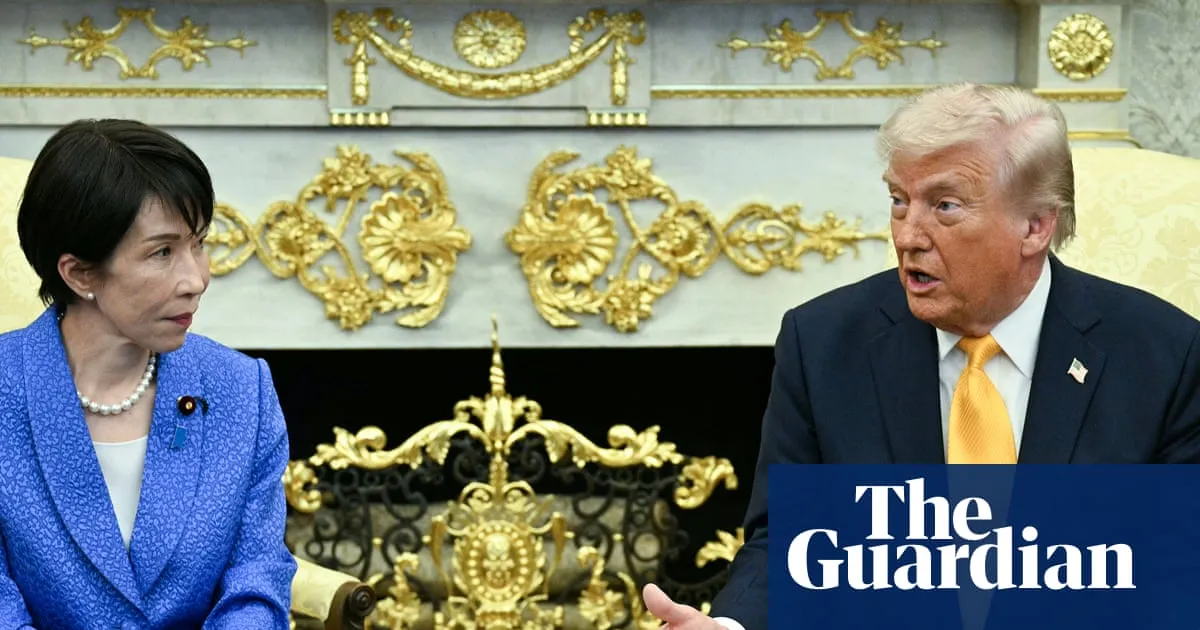
However, during a meeting on March 19, 2026, in the Oval Office, Donald Trump made headlines by mocking Japan regarding its 1941 attack on Pearl Harbor. This moment marked a significant shift in how historical events are referenced in contemporary political discourse. Trump’s comments came while he was addressing the element of surprise in military operations, particularly in relation to his decision to attack Iran without prior notification to U.S. allies.
Trump’s remarks included the provocative question, “Why didn’t you tell me about Pearl Harbor?” This statement not only invoked the historical event but also highlighted the strategic implications of surprise attacks in modern warfare. He further emphasized this point by stating, “Who knows better about surprise than Japan?” These comments reflect a blending of historical reference with current military strategy discussions.
The immediate effect of Trump’s remarks was a stir in diplomatic circles, particularly with Japan, as they navigated the implications of being associated with a historical attack that had profound consequences for U.S.-Japan relations. The juxtaposition of a historical tragedy with present-day military strategy raised eyebrows and prompted discussions about the appropriateness of such references in political dialogue.
Experts in international relations noted that invoking Pearl Harbor in this context could be seen as trivializing a significant historical event. The attack not only marked a turning point in World War II but also reshaped U.S. foreign policy and military strategy for decades. By referencing it in a contemporary setting, Trump risked overshadowing the gravity of the original event.
As discussions continue regarding military actions and international alliances, the historical context of Pearl Harbor remains a critical reference point. The attack not only united the U.S. against Japan but also serves as a reminder of the consequences of surprise military actions.
Details remain unconfirmed regarding the long-term diplomatic fallout from Trump’s comments. However, the intersection of history and modern military strategy will likely continue to be a topic of debate among historians and political analysts alike.