Introduction
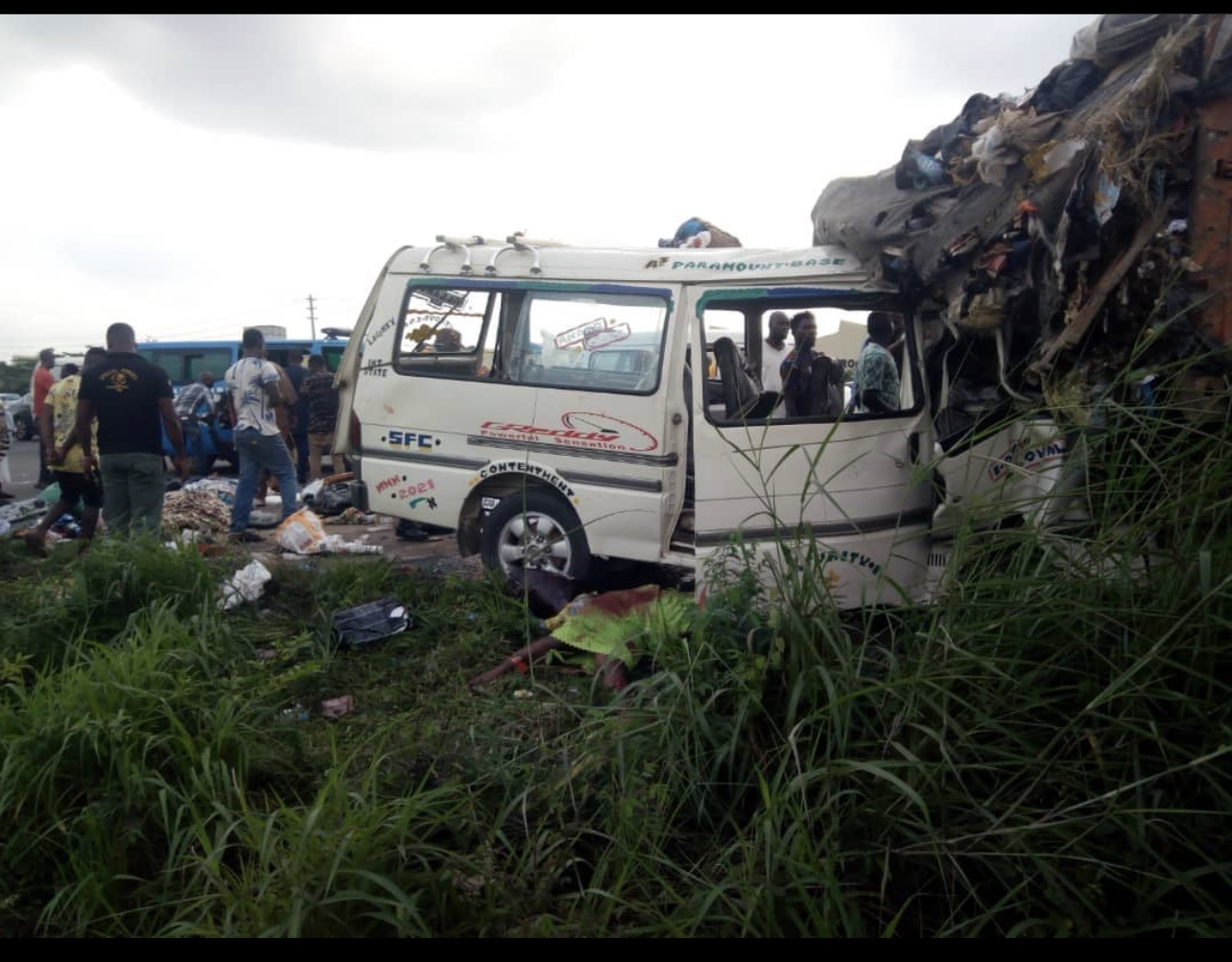
The Lagos Ibadan Expressway, a vital corridor that connects two of Nigeria’s most populous cities, has witnessed many tragic incidents over the years. Recently, an accident on this major route has led to renewed concerns over road safety. This accident not only highlights the challenges faced by commuters but also underscores the urgency for improved transportation infrastructure on one of Nigeria’s busiest highways.
Details of the Accident
On the morning of October 15, 2023, multiple vehicles were involved in a multi-car crash on the Lagos Ibadan Expressway, specifically near the Ogun State section. Eyewitness reports indicate that the accident involved a trailer, several cars, and a commercial bus. Preliminary investigations suggest that reckless driving and poor visibility due to heavy rainfall were contributing factors to the incident.
According to the Ogun State Traffic Compliance and Enforcement Corps (TRACE), at least five people were confirmed dead at the scene while many others sustained serious injuries. Emergency services were quickly deployed to the location, providing medical assistance to the injured and facilitating traffic management along the busy road.
Response from Authorities
In the wake of the accident, Ogun State Governor Dapo Abiodun expressed his condolences to the victims’ families and stressed the importance of adhering to traffic regulations to prevent future accidents. Additionally, the Federal Road Safety Corps (FRSC) has begun a thorough investigation into the cause of the crash and has called for stricter enforcement of road safety measures.
Broader Implications
The Lagos Ibadan Expressway has long been notorious for its high accident rate, prompting calls for infrastructural upgrades and better traffic management systems. As authorities work towards improving road safety, it’s essential for drivers to remain vigilant, especially during adverse weather conditions. Public advocacy for improved road infrastructure and safety measures, such as better signage, road lighting, and speed limit enforcement, is critical.
Conclusion
This recent accident on the Lagos Ibadan Expressway serves as a stark reminder of the need for continued attention to road safety in Nigeria. With increasing traffic volume, addressing these safety concerns is not just the responsibility of government authorities but also of every road user. As we move forward, better awareness and adherence to safety regulations could potentially save lives and prevent future tragedies on this critical route.