Rivers Assembly Rejects Fubara Nominees
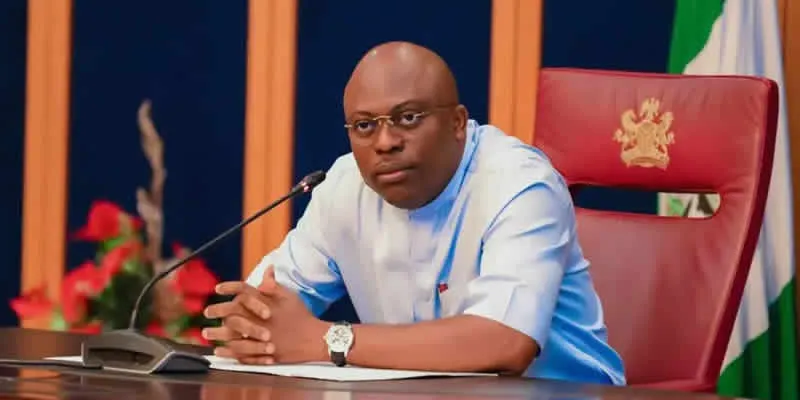
The Rivers State House of Assembly has rejected four out of nine commissioner-nominees submitted by Governor Siminalayi Fubara for screening and confirmation on March 9, 2026. This decision has raised eyebrows and reflects the ongoing political tensions in the state.
During a screening exercise that lasted over two hours, the Assembly approved five nominees for appointment into the State Executive Council. The approved nominees include Tonye Belgam, Prof Temple Nwafor, Dr. Peters Nwagor, Lekue Kenneth, and Amarigha Edward-Hart.
The rejected nominees were identified as Prof. Datonye Alasia, Barrister Tamuno Williams, Otonye Amachree, and Charity Deemua. Speaker of the House, Martin Amaewhule, stated that the four nominees were rejected due to poor performance during the screening exercise and controversies surrounding their nominations.
The screening involved a thorough scrutiny of academic qualifications, work history, tax compliance, and petitions against some nominees. Notably, Charity Deemua admitted during the screening that she had not paid tax since 2018, raising concerns about her suitability for the role.
In a striking revelation, it was noted that the number of petitions against nominee Otonye Amachree increased from 11 to 15, further complicating his candidacy. Amaewhule emphasized the importance of ensuring that Rivers State gets the best hands for the government, stating, “We feel that they are not square pegs in square holes for the offices that they intend to occupy in the Rivers State Executive Council.”
The Assembly has directed that a letter be sent to the governor requesting that the five cleared nominees be sworn in without delay. The House adjourned plenary to March 17, 2026, indicating that the political discourse in Rivers State is far from settled.
The screening session was broadcast live on television, allowing the public to witness the proceedings and the scrutiny of each nominee. This transparency is part of an effort to ensure accountability in political appointments.
As the political landscape continues to evolve, the Assembly’s decision underscores the complexities of governance in Rivers State. The implications of these rejections may resonate in future political maneuvers and appointments.
Details remain unconfirmed regarding the next steps the governor will take following this rejection.