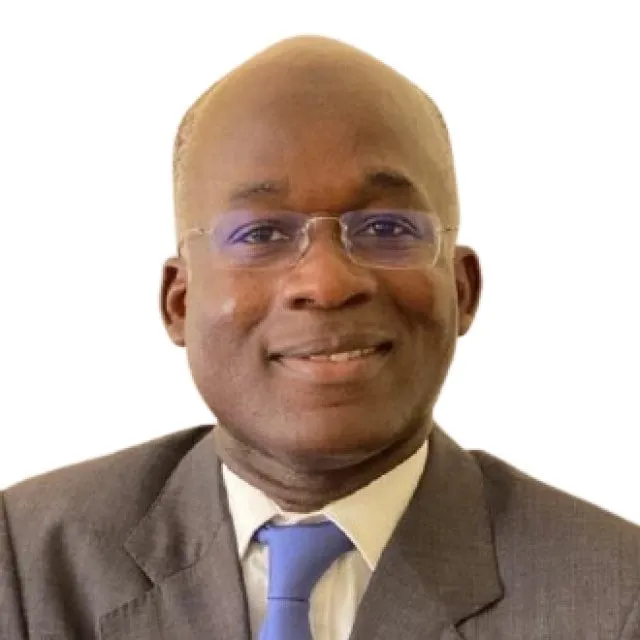
“The Presidential Taskforce, which he heads, will operate under a direct presidential mandate as a high-level, delivery-focused vehicle to restore discipline, efficiency, and commercial viability across the power sector,” said Bayo Onanuga regarding President Bola Tinubu’s appointment of Rilwan Babalola.
This task force will undertake a comprehensive system reset of Nigeria’s electricity sector. The goal is straightforward yet ambitious: enhance revenue assurance and liquidity within the power sector. This initiative comes as Nigeria grapples with persistent electricity shortages that hinder economic growth and sustainable development.
That context matters because Nigeria has struggled with its power supply for years. Frequent outages and infrastructure decay have left millions without reliable electricity. The appointment of Babalola—a former Minister for Power—signals a serious governmental effort to tackle these long-standing issues.
Key objectives of the task force:
- Deliver a 90-day implementation blueprint for the power sector.
- Implement a ‘performance before expansion’ framework to ensure that existing systems are optimized before any further investments are made.
- Drive discipline and efficiency across all levels of operation in the electricity sector.
Moreover, experts from the Nigerian Institution of Structural Engineers (NIStructE) recently urged structural engineers to adopt a Reliability-Based Design framework. This approach aligns with broader efforts to create a built environment in Nigeria that is resilient and sustainable, as emphasized by Prof. Afolayan Joseph Olasehinde.
In other developments, the Nigeria Bar Association is pursuing justice for a lawyer assaulted by members of the OCHA Brigade, highlighting ongoing concerns about law enforcement conduct. As reported, one official involved in this incident was arrested on April 24, 2026.
As Babalola takes charge of this task force, many will be watching closely to see how quickly and effectively these changes can be implemented. The success or failure of this initiative could significantly impact not just the power sector but also broader economic stability in Nigeria.