Introduction
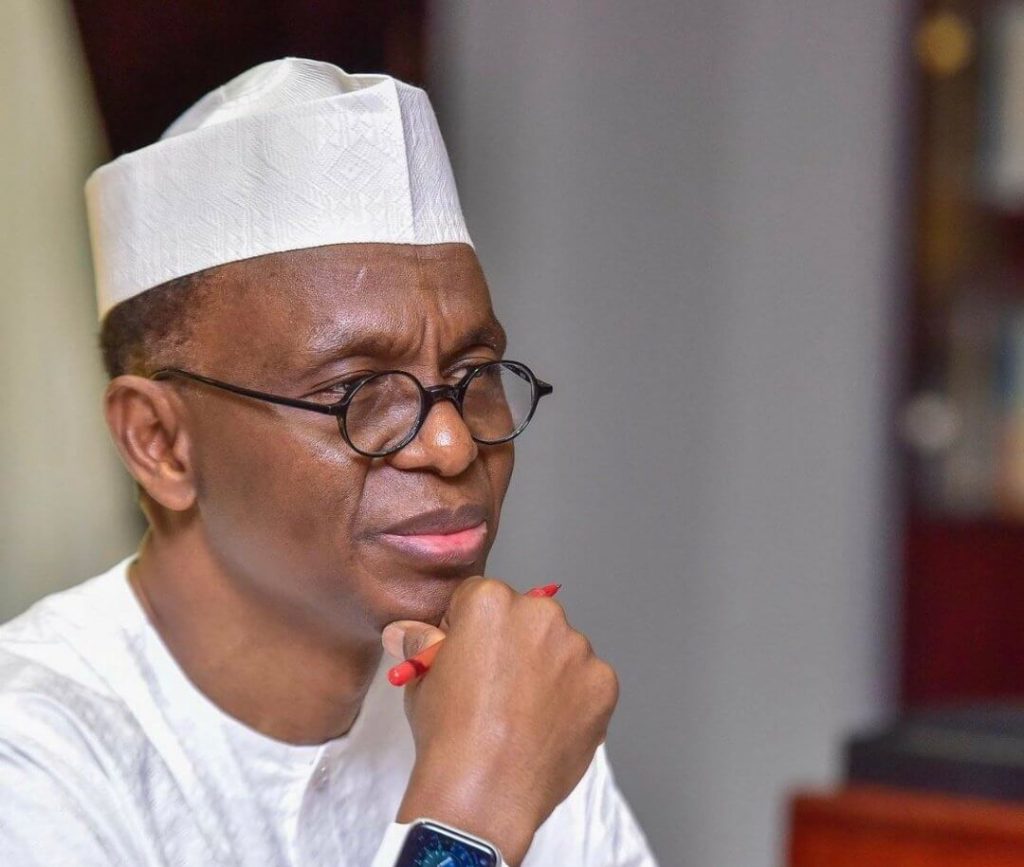
Nasir El Rufai, the governor of Kaduna State, has been a significant figure in Nigerian politics, known for his controversial policies and reformative leadership. His tenure began in 2015 and has drawn attention due to his focus on infrastructure development, education reforms, and economic policies. Understanding El Rufai’s influence is crucial for grasping the dynamics of modern Nigerian governance.
El Rufai’s Achievements and Policies
During his term, El Rufai has introduced numerous initiatives aimed at revitalizing Kaduna’s economy. One of his landmark projects includes the Kaduna Economic Transformation plan, which focuses on improving the business environment and attracting investments. His administration has also prioritized infrastructure improvements, investing significantly in road construction and health facilities.
El Rufai’s approach to education has been particularly notable. He initiated the “free education” policy, intending to boost school enrollment rates. However, this policy has faced criticism due to implementation challenges, including insufficient facilities and qualified teachers. Despite these challenges, his commitment to improving literacy and educational standards remains a key aspect of his governance.
Controversies and Criticism
Despite his achievements, El Rufai’s administration has not been without controversy. His approach to governance has often been described as autocratic, with critics claiming he sometimes bypasses public opinion in decision-making. Issues surrounding human rights have also emerged, particularly in the context of his administration’s response to protests in the state. This has sparked debates on the balance between security measures and the rights of citizens.
Moreover, El Rufai’s strong stance against political opponents and his sometimes fiery rhetoric have further entrenched divisions within the political landscape of Kaduna State. His critics argue that fostering an inclusive dialogue is essential for lasting peace and development.
Conclusion
As Nasir El Rufai continues his tenure as governor, his influence on Kaduna State and Nigerian politics is undeniable. His bold policies have contributed significantly to economic growth, despite criticisms regarding governance style and human rights. Looking forward, the outcomes of his governance may serve as a case study for future leaders on the importance of balancing reform with inclusivity and respect for democratic processes. The significance of El Rufai’s policies and leadership style extends beyond Kaduna, impacting national discourse on governance and development in Nigeria.