Introduction
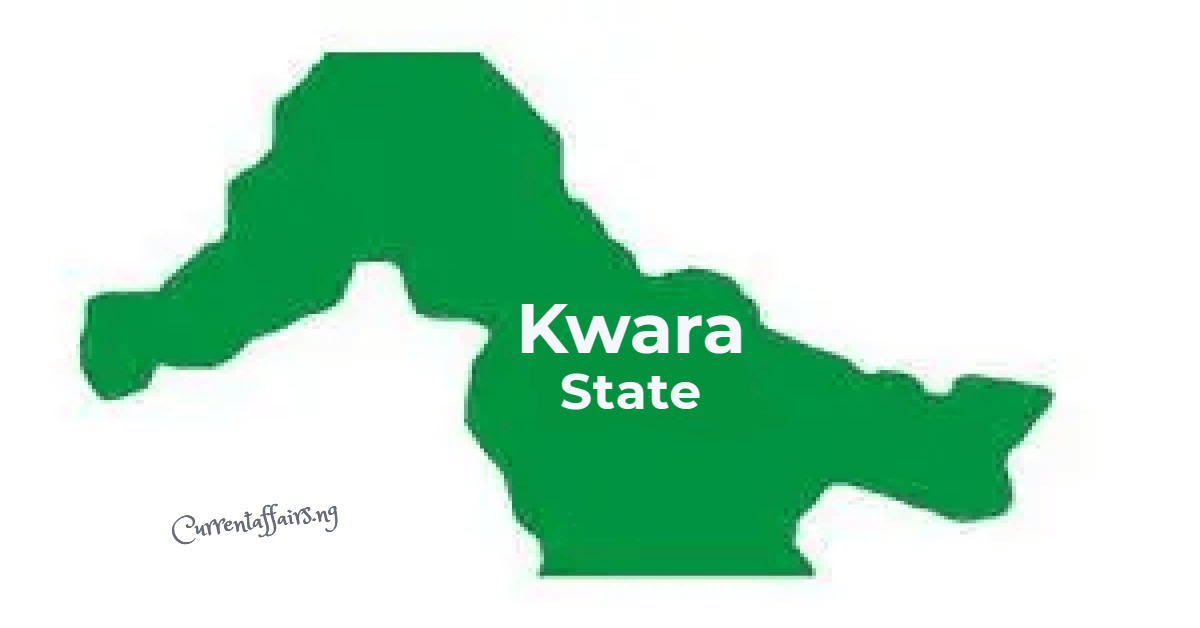
Kwara State, located in north-central Nigeria, plays a crucial role in the economic and cultural landscape of the nation. With a rich history and diverse ethnic composition, it serves as a bridge between Northern and Southern Nigeria. Understanding Kwara State’s relevance is essential not only for recognizing its contributions to national identity but also for its ongoing developments in governance, infrastructure, and education.
Current Developments in Kwara State
In recent weeks, Kwara State has been highlighted for its significant strides in infrastructure development. The state government has initiated several road construction projects aimed at improving connectivity across various localities, which is expected to enhance economic activities and ease transportation for residents. Noteworthy is the expansion of the Ilorin International Airport, aimed at accommodating more flights to boost tourism and business travel.
Moreover, the agricultural sector in Kwara is experiencing significant investments, particularly in rice and maize production. The state government, in collaboration with federal agricultural initiatives, has launched programs to provide farmers with modern equipment and training, thereby fostering food security and improving local economies.
Cultural Heritage and Tourism
Kwara State is not just an economic hub; it is also rich in culture and history. The state is home to the renowned Esie Museum, which houses ancient soapstone sculptures believed to date back to 1200 AD. This cultural landmark presents a unique opportunity for local and international tourism.
Every year, events such as the Kwara State Cultural Festival draw both local and international attendees, showcasing the vibrant traditions of the Yoruba people of the state. This cultural exchange fosters unity and helps to promote Kwara as a tourist destination.
Conclusion
Kwara State stands at the forefront of Nigeria’s journey towards sustainable development. Its blend of rich cultural heritage and proactive governance positions it uniquely within the country. As the state continues to progress in various sectors such as infrastructure and agriculture, it is imperative for stakeholders, including investors and tourists, to take notice. The forecast for Kwara State suggests that with continued investment and development, it could emerge as a pivotal state in Nigeria’s quest for national advancement.