Introduction
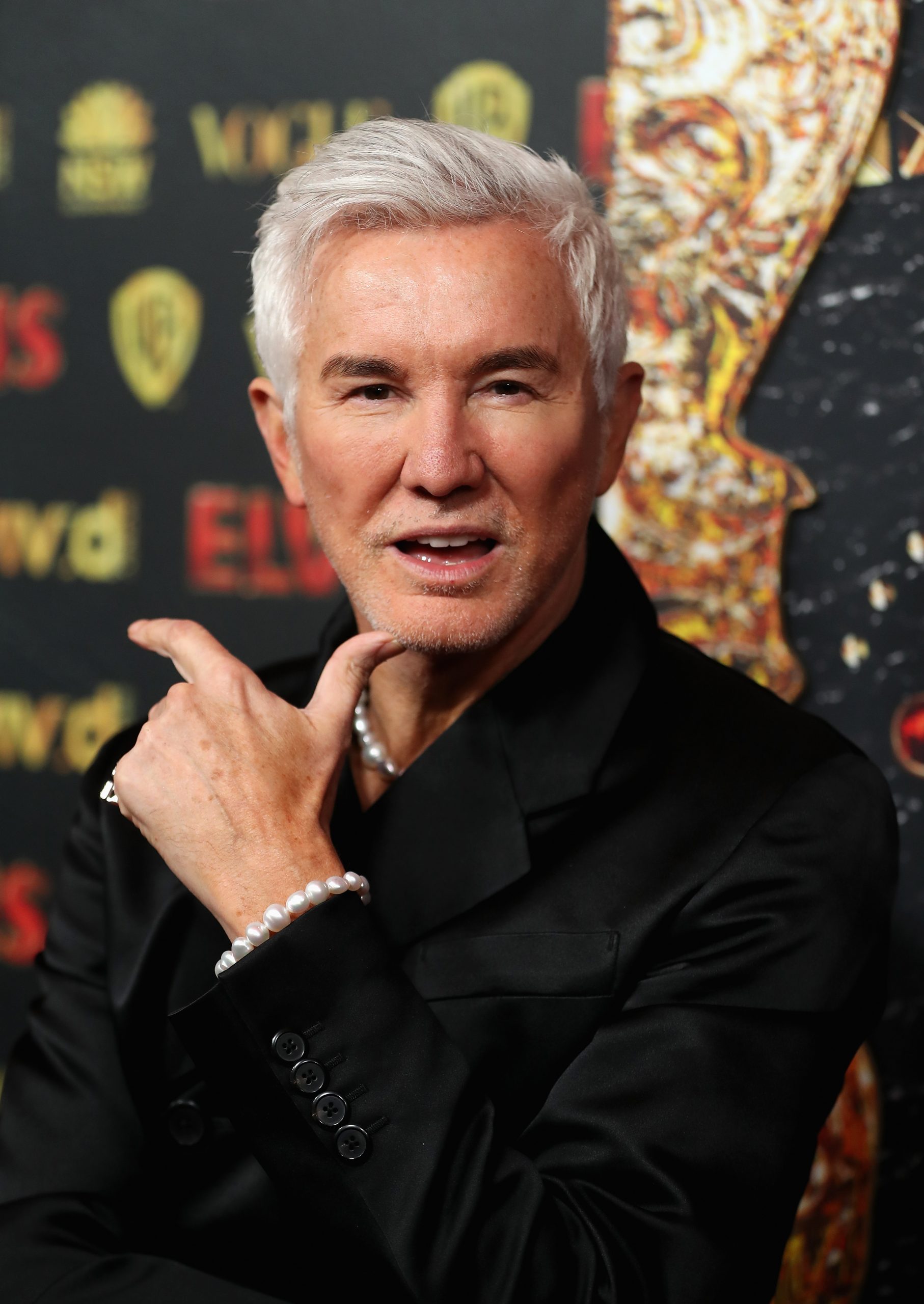
Baz Luhrmann, an Australian filmmaker, has made significant contributions to the world of cinema with his distinctive style that blends visual splendor and eclectic soundtracks. His work has not only earned him critical acclaim but has also influenced various film industries around the globe, including Nollywood, Nigeria’s burgeoning film sector. Understanding Luhrmann’s impact can offer valuable insights into how filmmaking styles can transcend borders and resonate with diverse audiences.
Main Body: The Cinematic Style of Baz Luhrmann
Born in 1962, Luhrmann gained international recognition with his films such as “Strictly Ballroom,” “Romeo + Juliet,” and “Moulin Rouge!” Each of these movies showcases his signature flamboyant style characterized by vibrant colors, innovative storytelling techniques, and a fusion of different musical genres. Notably, “Moulin Rouge!” marked a turning point in musical filmmaking, bringing a modern twist to a traditional genre, which has inspired Nollywood filmmakers to experiment with music and visual aesthetics.
The explosion of Luhrmann’s style has been witnessed in various Nollywood productions, where filmmakers have increasingly embraced visually captivating storytelling and eclectic soundtracks to engage audiences. Recent Nollywood films, such as “The Milkmaid” and “Citation,” reflect this trend, employing vibrant cinematography and modern storytelling methods that echo Luhrmann’s influence. These adaptations suggest a growing willingness among Nigerian filmmakers to push creative boundaries.
Moreover, Baz Luhrmann’s unique ability to blend genres resonates deeply with Nollywood’s penchant for storytelling that spans romance, drama, and comedy. The incorporation of music and dance throughout his films serves as an inspiration for Nigerian filmmakers, who often weave similar elements into their narratives to enhance emotional depth and cultural relevance. This crossover highlights how global influences can enrich local film industries.
Conclusion
In conclusion, Baz Luhrmann’s impact on cinema extends beyond the shores of Australia and has found a receptive audience in Nigeria’s Nollywood. As filmmakers continue to draw inspiration from Luhrmann’s bold storytelling and aesthetic choices, the fusion of global film techniques with local narratives promises to elevate the Nigerian film industry further. The evolution of Nollywood, with filmmakers embracing such influences, indicates a bright future—one characterized by innovative and culturally resonant storytelling that appeals to both local and international audiences. As the cinematic landscape continues to evolve, viewers can anticipate even more creative and diverse productions emerging from Nollywood in the coming years.