Introduction
Darius Rucker is a name that resonates across the music industry, particularly within the country genre. Born on May 13, 1966, in Charleston, South Carolina, Rucker first gained fame as the lead singer of the rock band Hootie & the Blowfish in the 1990s. With the evolution of music and his personal journey, Rucker transitioned into country music, making waves with his unique blend of sounds. His story is significant not only for his fans but also for the broader discourse on diversity in the music industry.
Career Highlights
After achieving phenomenal success with Hootie & the Blowfish, which sold over 25 million albums, Rucker made his solo debut in the country scene with “Learn to Live” in 2008. This album produced three number one hits: “Don’t Think I Don’t Think About It,” “It Won’t Be Like This for Long,” and “Come Back Song,” establishing him as a formidable solo artist in a genre traditionally dominated by white artists.
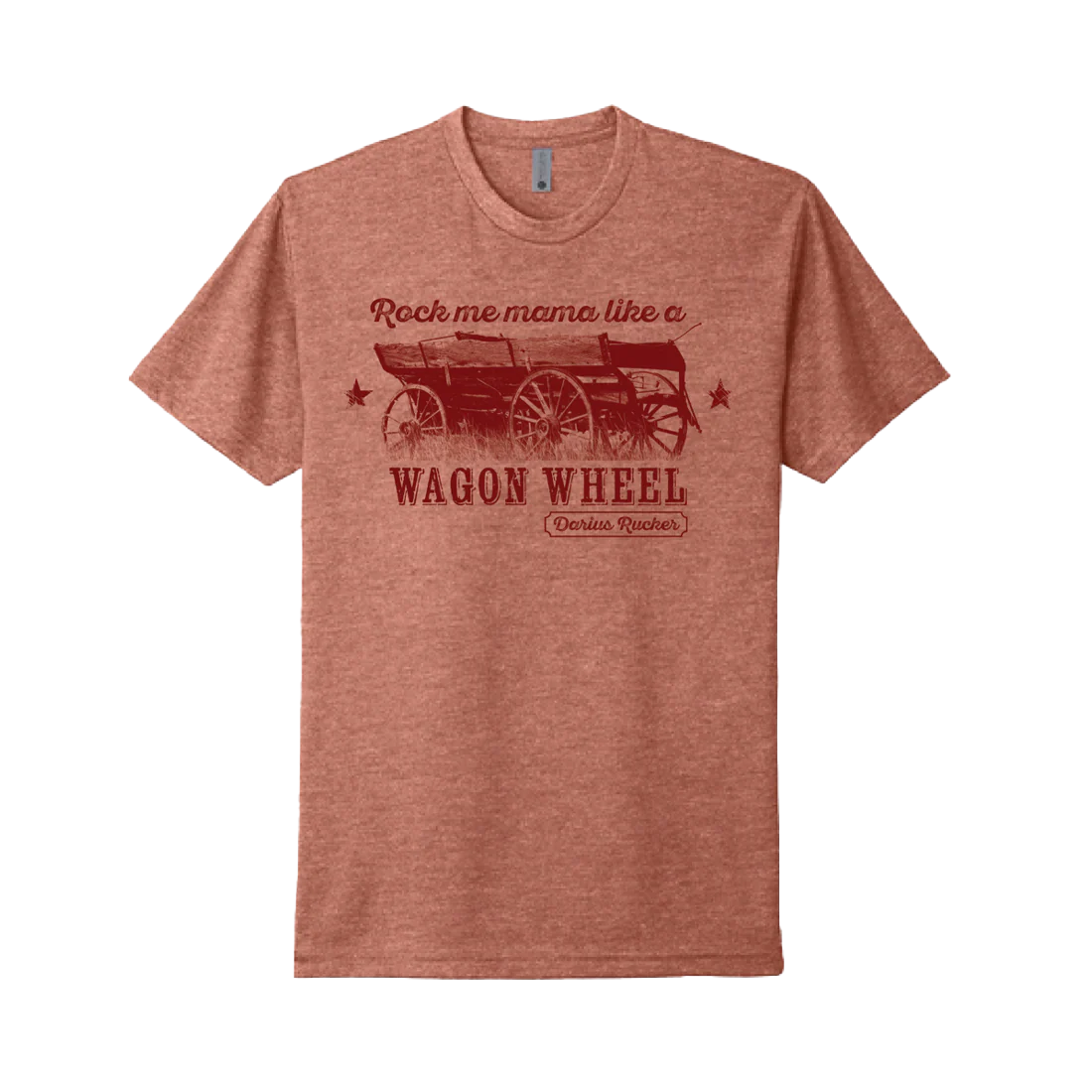
In 2013, Rucker continued his success with the release of “True Believers,” further solidifying his place in country music. His single from this album, “Wagon Wheel,” won a Grammy Award for Best Country Solo Performance, making him the first black artist to win a Grammy in a country category since Charley Pride in 1980. Rucker’s ability to merge heartfelt lyrics with appealing melodies has resonated with millions, underscoring his versatility and talent.
Recent Developments
This year, Rucker has been busy, not just with music, but also with philanthropic efforts. He launched his own charitable initiative aimed at supporting music education in schools, showing his commitment to giving back to the community that has supported him throughout his career. In addition, he has been actively involved in various live performances, keeping his connection with fans alive as he tours across the country.
Conclusion
Darius Rucker’s journey from a rock star to a celebrated country musician is a testament to his adaptability and passion for music. His success in bridging genres has opened doors for a new generation of diverse artists in country music. As he continues to make strides in the industry, fans and aspiring musicians alike can look forward to what he has in store, making Rucker a significant figure not just in music, but in cultural diversity and representation. The forecasts for his further influence and contributions in the music industry remain promising, as he continues to break boundaries and inspire.