Introduction
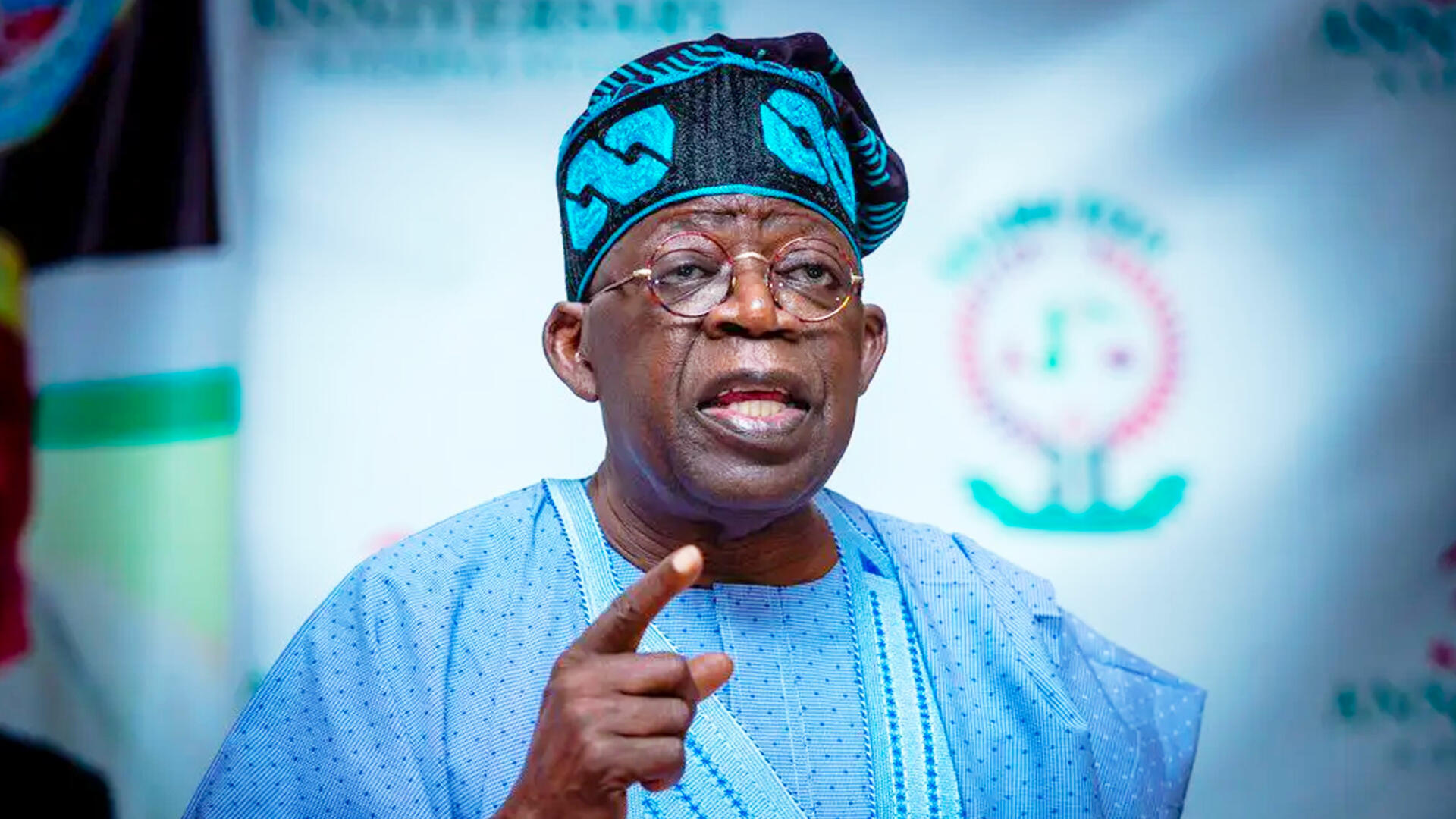
Bola Ahmad Tinubu, a prominent Nigerian politician and former governor of Lagos State, has been a pivotal figure in Nigeria’s political landscape. As the current President of Nigeria, his leadership is a topic of significant interest and debate, particularly in light of the nation’s socio-economic challenges and political dynamics. Understanding his influence is crucial for comprehending the future of Nigeria’s governance and policies.
Bola Tinubu’s Political Journey
Tinubu served as the governor of Lagos State from 1999 to 2007, where he implemented numerous reforms that transformed the state into a major economic hub. His tenure was marked by infrastructural development, better revenue generation, and an increased focus on education and health. Since then, he has garnered a substantial political following and is seen as a kingmaker within the All Progressives Congress (APC), the party that currently governs the country.
Current Developments under His Presidency
Since taking office in May 2023, Bola Tinubu’s administration has faced pressing issues, including a struggling economy, rising inflation, and security concerns across the country. Recently, Tinubu’s government has implemented a controversial subsidy removal policy aimed at stabilizing the economy, which has led to increased fuel prices but is anticipated to encourage investment in the long term.
Additionally, Tinubu has focused on improving infrastructure and tackling the corruption that has plagued previous administrations. His ambitious agenda includes various initiatives aimed at creating jobs, enhancing education, and improving health care access for citizens. As the nation approaches its next election cycle, the effectiveness of these policies will be under scrutiny.
Public Opinion and Challenges Ahead
The public’s response to Tinubu’s policies has been mixed, with some praising his focus on reform while others criticize the economic hardships stemming from his decisions. Protest movements and civil society groups have voiced concerns over the costs of living and general governance, calling for more responsive leadership. These challenges highlight the need for Tinubu to engage effectively with citizens and address their concerns to maintain support.
Conclusion
Bola Tinubu’s influence on Nigerian politics cannot be overstated. As the nation navigates significant challenges, his leadership will be key in shaping the country’s future. The next few years will be critical as he implements his policies and seeks to establish a legacy that resonates with the aspirations of the Nigerian populace. Observers anticipate that Tinubu’s decisions will remain a focal point for analysis, reflecting the evolving landscape of Nigeria’s democracy.