Introduction to Fantasy Football
Fantasy football has gained enormous popularity worldwide, transforming how fans engage with the sport. In Nigeria, where football is a major passion point, the emergence of fantasy football is reshaping fan interaction, community involvement, and even economic opportunities related to the game.
The Basics of Fantasy Football
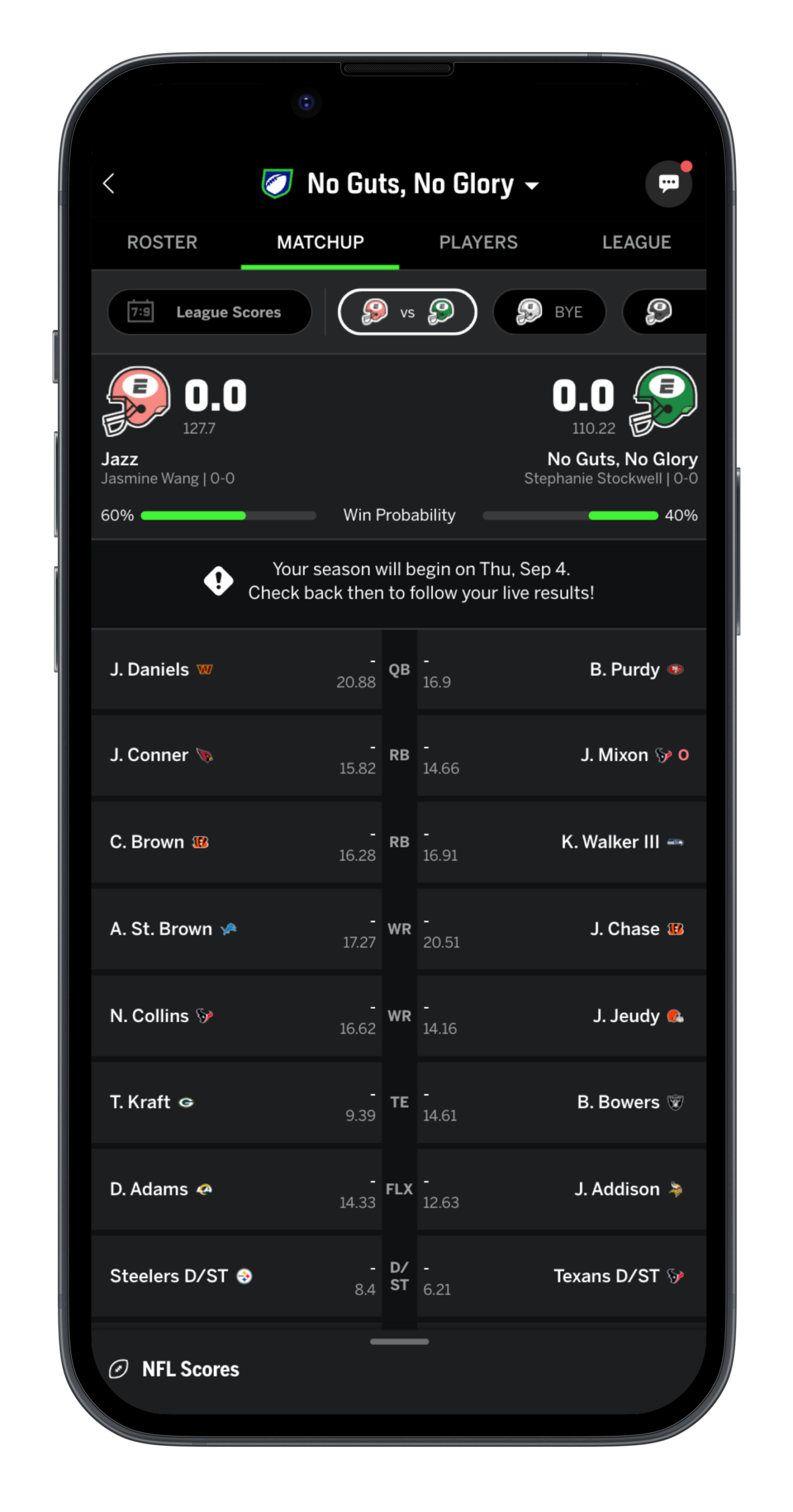
Fantasy football is a game where participants create a virtual team composed of real players from professional football leagues. Points are earned based on the players’ performance in actual matches, and participants compete against each other based on their teams’ cumulative scores. The appeal of this game lies in its strategic elements as users must analyze player statistics, injury reports, and match fixtures to build a competitive lineup.
Current Trends in Nigeria
Recently, there has been a significant increase in user engagement with fantasy football platforms in Nigeria. According to a survey conducted by the Sports Marketing Association of Nigeria, approximately 1.5 million Nigerians participated in fantasy football in the last year alone. Popular platforms such as FanTeam and Premier League Fantasy have reported a steady growth in Nigerian users, with a notable 60% increase in registrations.
Community and Social Impact
This surge in fantasy football participation has fostered a more communal approach to football fandom. Many Nigerians are forming online leagues with friends and family, elevating their engagement with matches. The game serves as a conversational catalyst, allowing fans to discuss player performances and strategies. Additionally, it has created various opportunities for bloggers and influencers who share insights, advice, and analysis, contributing to local content creation.
The Future of Fantasy Football in Nigeria
Looking ahead, experts believe that the growth trajectory of fantasy football in Nigeria will continue, driven by the increasing use of smartphones and social media. Plans for integrating local leagues and teams into fantasy platforms could further expand the game’s appeal. As more fans engage with the sport beyond mere viewership, fantasy football may evolve into an essential facet of Nigerian football culture.
Conclusion
The rise of fantasy football represents not just a gaming phenomenon but a cultural shift in how Nigerians connect with football. With the potential for growth in community involvement and new economic opportunities, the future of fantasy football in Nigeria looks bright. As more Nigerians embrace this interactive format of sports fandom, the landscape of football in the nation is poised for exciting changes.