Introduction
In today’s digital age, music streaming has become a cornerstone of how listeners consume music. Among the plethora of streaming services, Spotify stands out as a global leader. Founded in 2006, Spotify has not only transformed the way music is accessed but has also reshaped the music industry itself. With over 500 million users worldwide as of 2023, Spotify’s impact is undeniable, making it a key player in the cultural and technological landscape.
Spotify’s Growth and Features
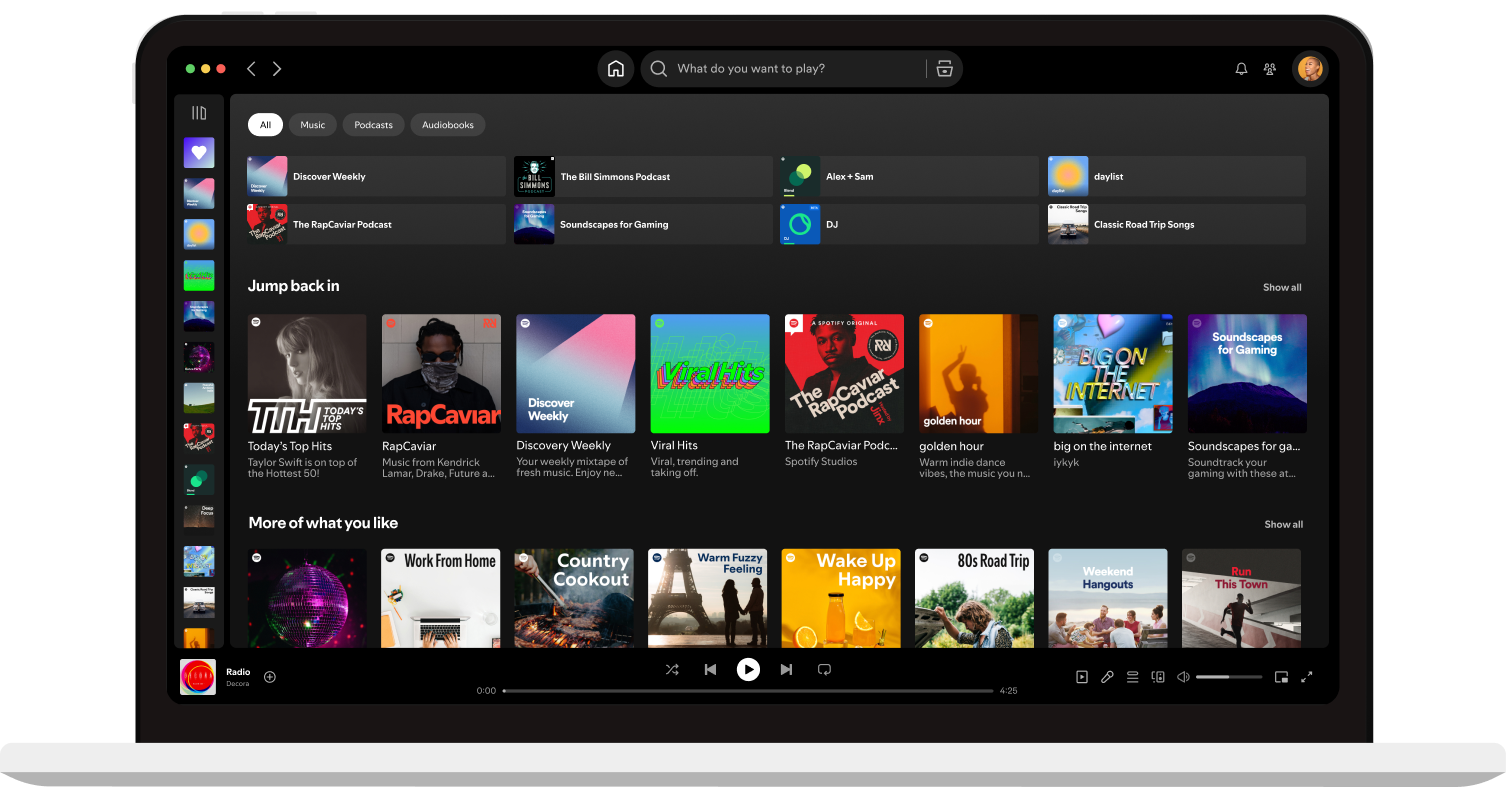
Spotify’s growth trajectory has been remarkable. Initially launched in Sweden, the platform quickly expanded to multiple countries, thanks to its user-friendly interface and innovative features. Available on various devices, including smartphones, tablets, and PCs, Spotify allows users to stream millions of songs and podcasts seamlessly. With options for both free ad-supported and premium subscription services, Spotify accommodates a wide range of users.
The app’s unique algorithm-driven playlists, such as ‘Discover Weekly’ and ‘Release Radar,’ have garnered significant attention. These personalized features use artificial intelligence to curate music specifically tailored to individual listeners, enhancing user engagement. Moreover, podcasts have gained momentum on the platform, attracting creators and listeners alike, further solidifying Spotify’s position as a multi-format media hub.
Challenges and Competitors
Despite its successes, Spotify faces challenges. The music streaming market has become increasingly competitive with emerging players like Apple Music, Amazon Music, and YouTube Music. Each competitor is striving to capture market share and offer unique features, from exclusive album releases to high-fidelity audio streaming.
Additionally, Spotify’s relationship with artists has come under scrutiny. The platform has been criticized for its payout structure, which some argue does not adequately compensate artists for their work. In response, Spotify has initiated programs to support artists, like the Spotify for Artists platform, allowing musicians to track their metrics and engage with fans directly.
Conclusion
As Spotify continues to evolve, it remains a pivotal force in the music industry. Its commitment to innovation and user experience will be essential in maintaining its status amid growing competition. For music enthusiasts, Spotify not only provides access to their favorite tracks but also introduces them to new sounds, redefining what it means to be a music lover in the modern era. The future of Spotify appears promising, with ongoing advancements, partnerships, and a focus on artist support shaping the landscape of music streaming in the years to come.