Introduction
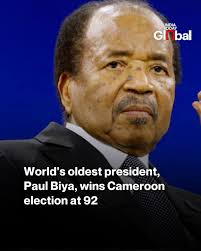
The upcoming presidential election in Cameroon is drawing significant attention, particularly due to the long-standing presence of President Paul Biya in the political landscape. As one of Africa’s longest-serving leaders, Biya’s tenure, which began in 1982, has been marked by a combination of stability and controversy. His potential candidacy in the upcoming election is critical, as it reflects not only his personal political ambitions but also the broader implications for democracy and governance in Cameroon.
Political Landscape Ahead of the Election
As the elections approach, Cameroon is experiencing a unique period characterized by both political tension and public fatigue with the current administration. President Biya’s government has been criticized for alleged human rights abuses, corruption, and a lack of democratic freedoms. Various opposition parties are gearing up to challenge Biya’s authority, emphasizing a desire for change among the Cameroonian populace.
Recent events, including protests led by opposition groups and local issues such as the ongoing conflict in the Anglophone regions, add complexity to the election landscape. Biya’s administration has taken measures to suppress dissent, which critics argue undermines the electoral process. As a result, the credibility of the upcoming election is a matter of public concern.
Election Significance and Forecasts
The implications of this election extend far beyond Biya’s presidency. It represents a crucial moment for Cameroon, as citizens seek to exercise their democratic rights and make their voices heard amid a backdrop of political strife and economic challenges. Analysts anticipate high voter turnout, particularly among the youth, who are increasingly vocal about their discontent with the status quo.
Should Paul Biya decide to run again, it will undoubtedly raise questions regarding his commitment to addressing the concerns of his citizens, particularly in relation to economic development and social justice. Conversely, if the opposition makes significant inroads and successfully mobilizes voters, it could signal a shift toward a more democratic governance structure in Cameroon.
Conclusion
The upcoming election represents a pivotal moment for both Paul Biya and the nation of Cameroon. As the situation unfolds, it is imperative for citizens and the international community to advocate for a transparent electoral process that reflects the will of the people. The outcome of this election could set a precedent for future governance in Cameroon, affecting the region’s stability and the prospects for democratic reforms.