The United Arab Emirates is leaving OPEC on May 1, 2026, aiming to boost its oil production independently. This move could significantly alter the dynamics of the oil cartel, raising questions about its future stability.
The UAE currently produces between 3.2 and 3.6 million barrels per day under existing quotas but has the capacity to pump nearly 4.8 million barrels per day more. By exiting OPEC, it plans to increase its output to a target of 5 million barrels daily by 2027. This departure removes one of the few members with substantial spare capacity and highlights growing frustrations with OPEC’s quota system.
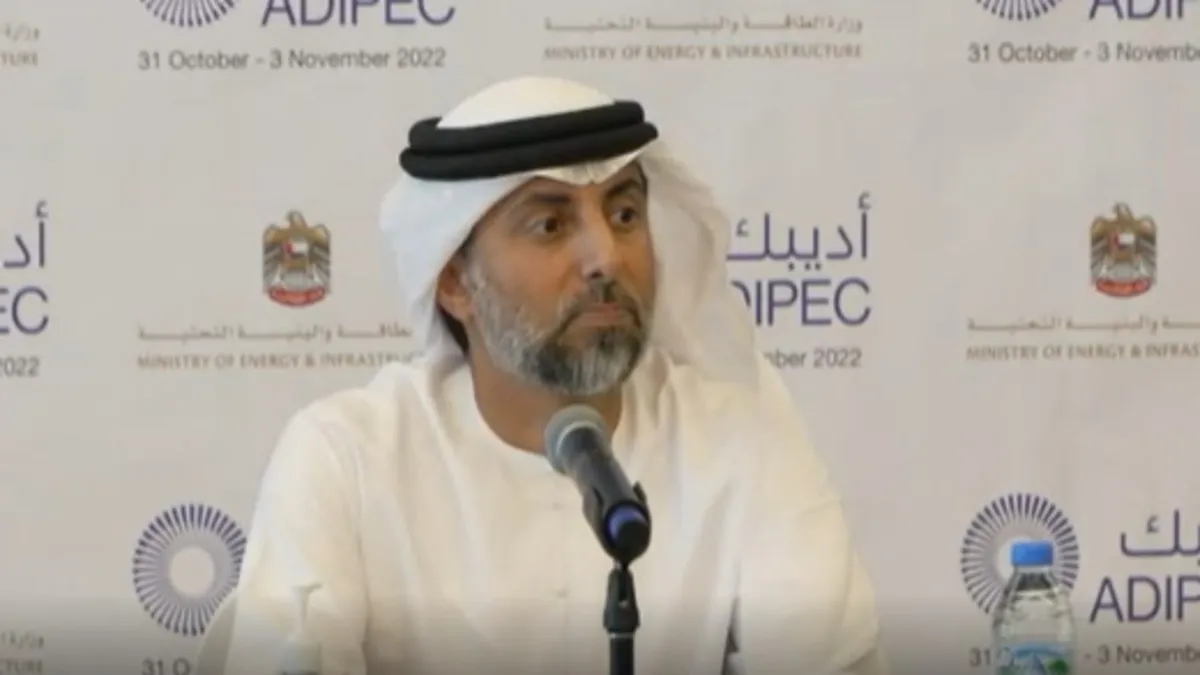
Historically, the UAE has been part of OPEC since 1967, primarily through Abu Dhabi. Its exit reflects a broader trend—countries like Qatar and Ecuador have also left recently due to similar frustrations. Suhail Al Mazrouei, the UAE’s Minister of Energy, emphasized that “the world needs more energy… [the] UAE wanted to be unconstrained by any groups.” This sentiment underscores a desire for greater autonomy in oil production.
That context matters because it indicates a potential shift in how Gulf nations cooperate within OPEC+. Saudi Arabia will likely bear more responsibility for stabilizing oil prices after the UAE’s exit. Jorge Leon noted that losing a member with such significant capacity takes a real tool out of OPEC’s hands.
Observers predict that the UAE’s departure could lead to modestly lower and more volatile oil prices in the long term. Andy Lipow warned that if compliant countries grow frustrated with those that don’t adhere to their quotas, further exits could threaten OPEC’s relevance as a cartel.
As energy market dynamics evolve, this situation will test the strength of Gulf cooperation within OPEC+. David Oxley remarked that “the ties binding OPEC members together have loosened.” The implications of these changes may extend beyond mere production numbers; they could redefine alliances and strategies among oil-producing nations.
In March, the UAE pumped about 2.37 million barrels per day against its sustainable capacity of approximately 4.3 million barrels per day. With Saudi Arabia needing prices around $90 per barrel to support its government spending and ambitious projects like NEOM costing $500 billion, how will these changes affect global market stability?