Introduction
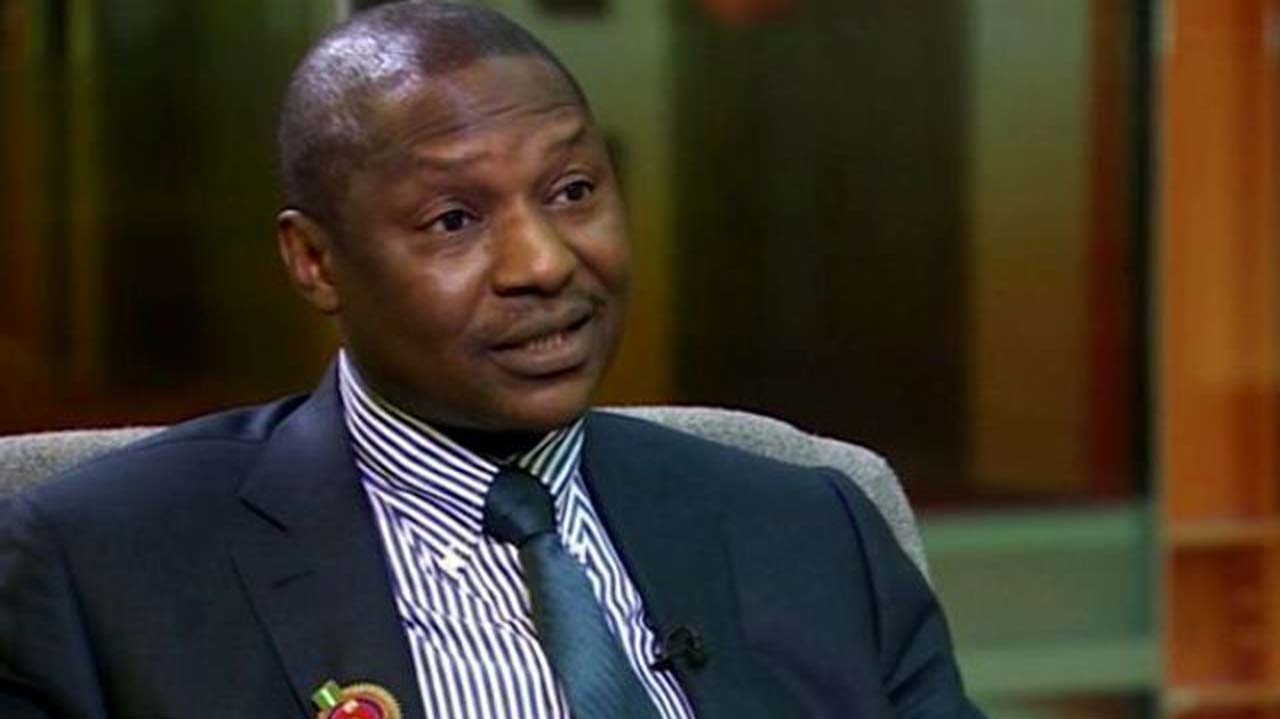
Abubakar Malami, the Attorney General of the Federation and Minister of Justice, has become a pivotal figure in Nigerian politics. His contributions to legal reforms and the justice system have positioned him as a crucial player in the current administration. This article explores his background, key decisions, and impact on legal frameworks in Nigeria, making it essential for citizens and political enthusiasts to understand his role.
Background
Born on April 17, 1967, in Kebbi State, Abubakar Malami is a trained lawyer, having obtained his degree from Usmanu Danfodiyo University in Sokoto. Before his appointment as Attorney General in 2015, Malami had built a successful legal career, including private practice and serving as a member of the National Assembly. His professional experience has significantly influenced his approach to law and justice as a minister.
Key Contributions
One of Malami’s hallmark achievements has been his involvement in legal reforms aimed at enhancing Nigeria’s justice system. Under his stewardship, the Ministry of Justice has rolled out initiatives to combat corruption and promote transparency. Notably, he has spearheaded the review of the Administration of Criminal Justice Act, which seeks to streamline legal processes for efficiency and fairness.
In addition to legal reforms, Malami has played a vital role in addressing issues surrounding human rights within the country. His commitment to improving the conditions of detainees and monitoring law enforcement activities reflects a shift towards accountability in Nigeria’s legal landscape.
Recent Developments
In recent months, Malami has been in the headlines due to ongoing debates about the implementation of the Electoral Act amendments. His stance and guidance on issues related to electoral reforms have sparked discussions across political platforms, signifying his influence in shaping Nigeria’s democratic processes.
The attorney general has also faced challenges, particularly regarding the enforcement of court rulings and managing public perceptions of the justice system. Balancing governmental policies with public expectations remains a task he navigates amid scrutiny from civil society organizations and the media.
Conclusion
As Nigeria continues to navigate its complex political landscape, Abubakar Malami’s role as Attorney General will remain significant. His legal reforms and commitment to justice are expected to shape the future of Nigeria’s law enforcement and governance. For citizens and stakeholders, understanding his policies and their implications offers insights into the workings of Nigeria’s legal system and its governance. With ongoing reforms and challenges ahead, Malami’s next steps will be closely watched by both supporters and critics.