Introduction
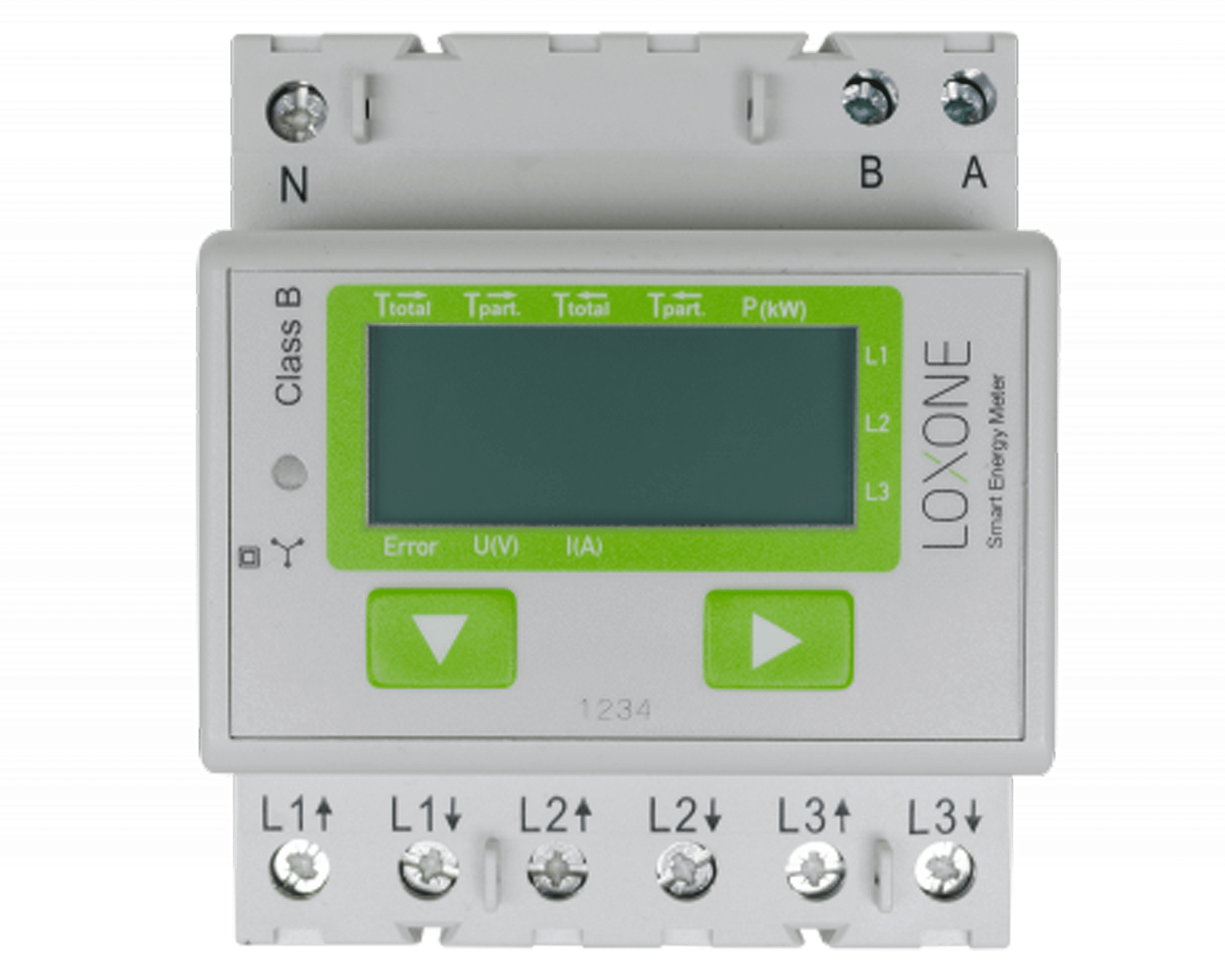
Electricity meters are essential devices used to measure the amount of electric energy consumed by households and businesses. In Nigeria, where electricity supply has been a critical issue, understanding how electricity meters work and their significance helps consumers manage their energy usage effectively. With the shift towards smart metering technology, it has become increasingly relevant for consumers to comprehend their electricity meters to avoid unexpected charges and optimize energy consumption.
The Role of Electricity Meters
Electricity meters serve various functions including measuring energy consumption, recording peak usage times, and providing data for energy providers to bill consumers accurately. They can be classified into two main types: traditional analog meters and modern digital smart meters. In Nigeria, the use of both types varies significantly among states and regions.
As of 2023, the Nigerian Electricity Regulatory Commission (NERC) has mandated an upgrade to smart meters to improve billing accuracy and reduce estimated billing, which has been a long-standing complaint among consumers. With smart meters, users receive real-time data about their electricity usage, which enhances transparency and encourages responsible consumption.
Recent Developments
In a recent initiative by the Nigerian government, significant investments have been allocated towards expanding meter distribution and improving grid reliability. The National Mass Metering Programme (NMMP), launched in late 2020, aims to install 5 million meters by 2023. This initiative is crucial for enhancing the accountability of electricity consumption and promoting a better understanding of individual energy needs among consumers.
Moreover, with rising electricity costs, particularly for prepaid meters, consumers are encouraged to monitor their usage patterns closely to manage expenses. Awareness campaigns by NERC and local electricity distribution companies are educating consumers on efficient usage and the functionalities of their meters.
Conclusion
As Nigeria continues to enhance its electricity infrastructure, the role of electricity meters will remain central to managing energy consumption and costs. Consumers who embrace the available technologies, particularly smart meters, position themselves to benefit from more accurate billing and improved energy management. As this shift occurs, understanding how to read and interpret meter outputs will empower users to make informed decisions regarding their energy usage, ultimately fostering a culture of sustainability and efficiency.