Introduction
Non-fungible tokens (NFTs) represent a significant shift in digital ownership and have gained immense popularity in recent years. They are unique digital assets that are not interchangeable, which distinguishes them from cryptocurrencies like Bitcoin. The relevance of NFTs lies in their ability to create verifiable scarcity in digital content, allowing artists, musicians, and creators to monetize their work directly. This technology has sparked conversations around intellectual property, digital rights, and the future of art.
The Rise of Non-Fungible Tokens
In 2021, the NFT market exploded, with sales reaching over $10 billion in the first quarter alone, according to a report by Decrypt. Major auction houses like Christie’s and Sotheby’s started to include NFTs in their catalogs, showcasing high-profile digital artwork. The most notable sale was a digital collage by artist Beeple, which sold for $69 million at Christie’s. Such milestones attracted mainstream attention and interest from various investors.
How NFTs Work
NFTs are based on blockchain technology, predominantly using the Ethereum network. Each NFT is stored on the blockchain, where information such as ownership history and transaction details are recorded. This decentralized system ensures that the ownership of the asset is transparent and immutable. Users can buy, sell, or trade NFTs in various online marketplaces that primarily cater to digital art, music, gaming, and even virtual real estate.
Current Challenges and Future Outlook
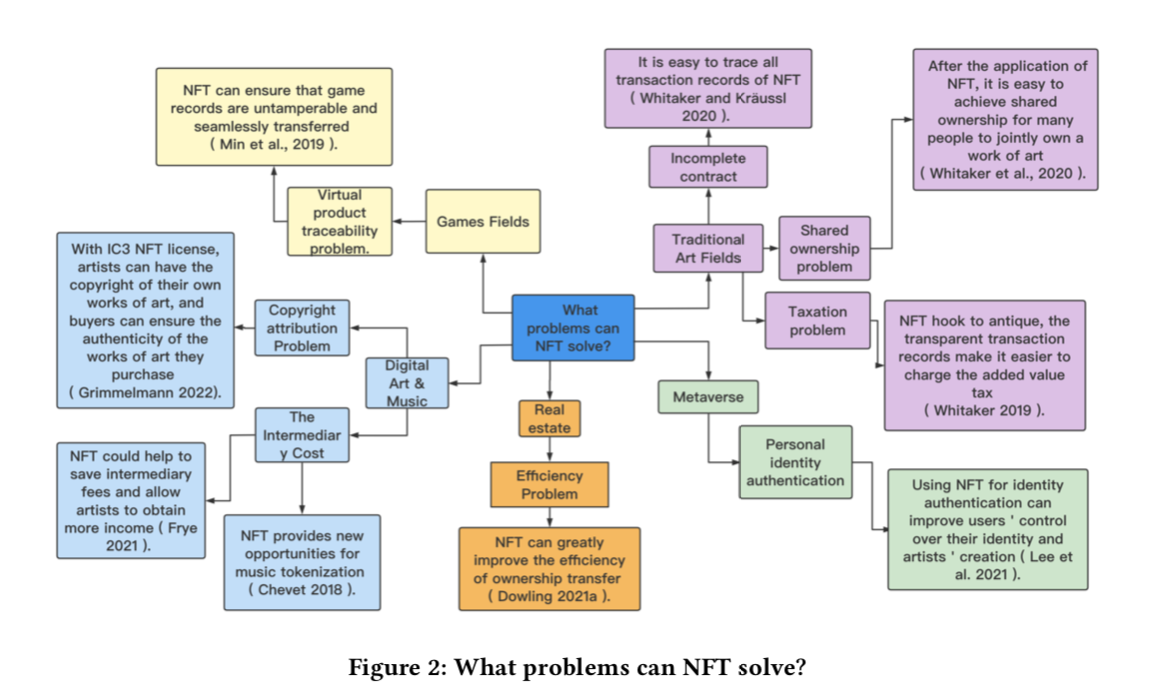
Despite their rapid rise, non-fungible tokens face challenges, including concerns over environmental impact due to the energy-intensive nature of blockchain networks and issues related to copyright infringement. Additionally, the market could experience volatility as investors speculate on asset values. However, numerous industries are exploring potential applications for NFTs, including real estate, ticketing, and even identity verification. Major brands are starting to invest in NFT projects, signaling a potential mainstream adoption of this technology.
Conclusion
The significance of non-fungible tokens in today’s digital ecosystem cannot be overstated. As we continue to see innovative uses emerge, NFTs could redefine the way we perceive ownership and value in the digital realm. For artists and creators, this new technology opens doors that were previously closed, while for investors, it presents both opportunities and risks. Understanding NFTs is essential for navigating the evolving landscape of digital assets.