Introduction
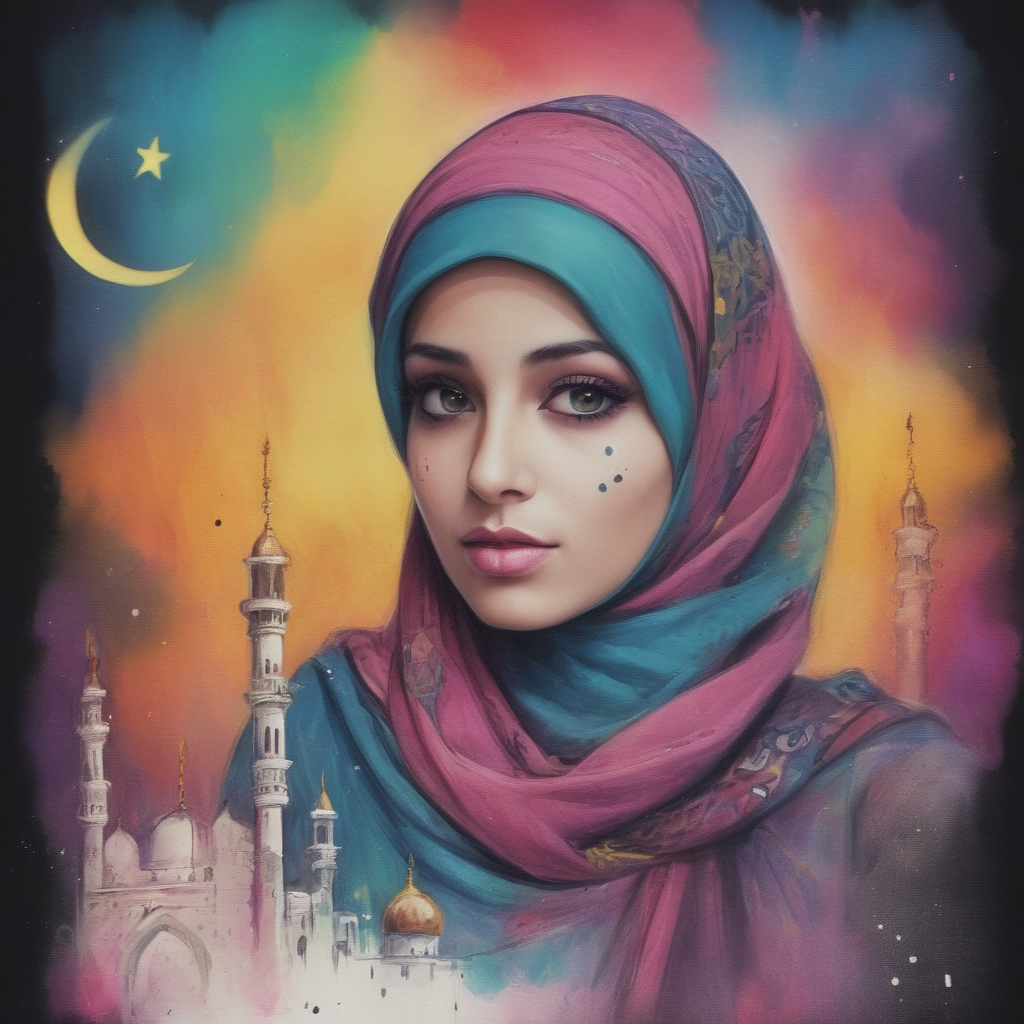
Ramadan Mubarak is more than just a greeting; it signifies the onset of the holy month of Ramadan, observed by millions of Muslims around the globe. During this sacred time, believers engage in fasting, prayer, and reflection, making it one of the most revered periods in the Islamic calendar. The importance of Ramadan lies in its role as a time for spiritual growth, community bonding, and charity, aligning with the core tenets of Islam.
The Significance of Ramadan
Fasting during Ramadan is one of the Five Pillars of Islam, which are fundamental acts of worship that shape the life of a Muslim. The practice helps cultivate self-discipline and empathy for the less fortunate. It commences with the sighting of the new moon, marking a month of 29 to 30 days depending on the lunar cycle.
Celebrations and Traditions
As families and communities prepare for Ramadan Mubarak, various traditions unfold. In many cultures, homes are decorated with lights and festive decorations to welcome the holy month. People often gather for ‘iftar’, the evening meal to break their fast, which includes dates and water along with a variety of delicious dishes. Special prayers known as ‘Taraweeh’ are performed at night, emphasizing the communal spirit of the month.
Global Observance
While Ramadan is universally observed by Muslims, the ways in which it is celebrated can vary widely from one country to another. In Nigeria, for example, you will find a rich blend of local customs and Islamic practices during Ramadan. Special markets are set up to accommodate increased food demand, and various events are organized to foster community interaction and give back to the needy.
The Importance of Charity
Part of the spiritual focus during Ramadan Mubarak includes increased charitable activities, known as ‘Zakat’. Muslims are encouraged to donate a portion of their wealth to those in need, embodying the principle that caring for one’s community is an essential part of the faith. This creates a sense of solidarity and support, enriching the societal fabric during this holy period.
Conclusion
As we approach Ramadan Mubarak, it is vital to recognize its profound significance in the lives of Muslims worldwide. The month not only serves as a time of detoxification of the body and soul but also as an opportunity to strengthen communal ties and spread compassion. As non-Muslims witness the spirit of Ramadan, it opens avenues for dialogue and understanding between different faiths, fostering a more inclusive society. Looking forward, communities can benefit greatly from the values of empathy and generosity that Ramadan embodies, regardless of their religious backgrounds.