Introduction
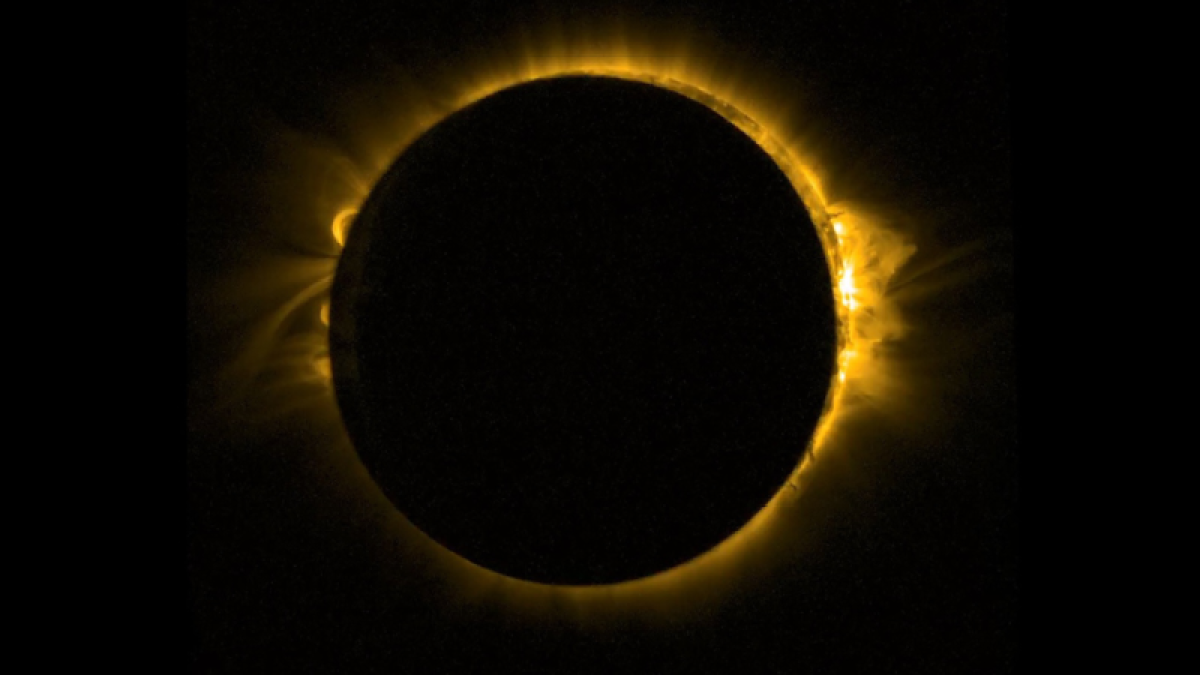
Solar eclipses are some of the most awe-inspiring astronomical events that capture the imagination of many. They occur when the Moon passes between the Earth and the Sun, briefly obscuring the Sun’s light. The importance of solar eclipses extends beyond their visual spectacle; they offer scientists a unique opportunity to study the solar atmosphere and advance astronomical knowledge. As global interest in space exploration and education continues to grow, understanding solar eclipses becomes increasingly relevant.
Types of Solar Eclipses
Solar eclipses can be classified into three primary types: total, partial, and annular. A total solar eclipse occurs when the Moon completely covers the Sun, casting a shadow on Earth and causing daytime darkness in certain regions. This phenomenon lasts only for a few minutes but is a breathtaking sight. In a partial solar eclipse, only a section of the Sun is obscured by the Moon, and this is visible from various locations across the planet. The annular solar eclipse occurs when the Moon is too far from Earth to completely cover the Sun, resulting in a “ring of fire” effect around the Moon. Each type of eclipse has its own unique characteristics and visual effects, contributing to the public’s fascination.
Recent Events
On October 14, 2023, an annular solar eclipse occurred, captivating audiences across the Americas and parts of Africa. This event was particularly significant as it drew attention to solar phenomena and encouraged many to engage in safe viewing practices. While millions were able to witness the eclipse in person, live broadcasts and digital platforms allowed individuals from around the world to experience the event, emphasizing the shared human experience of astronomical events.
Conclusion
Solar eclipses are not only a remarkable demonstration of celestial mechanics but also serve as a bridge between scientific inquiry and public fascination with the universe. These events foster education and appreciation for astronomy while providing valuable insights into solar activity. Looking ahead, the next total solar eclipse is set to occur on April 8, 2024, with millions anticipating the chance to witness this extraordinary phenomenon. As interest in space exploration grows, solar eclipses remain a vital part of our understanding of the solar system and its wonders.