Introduction
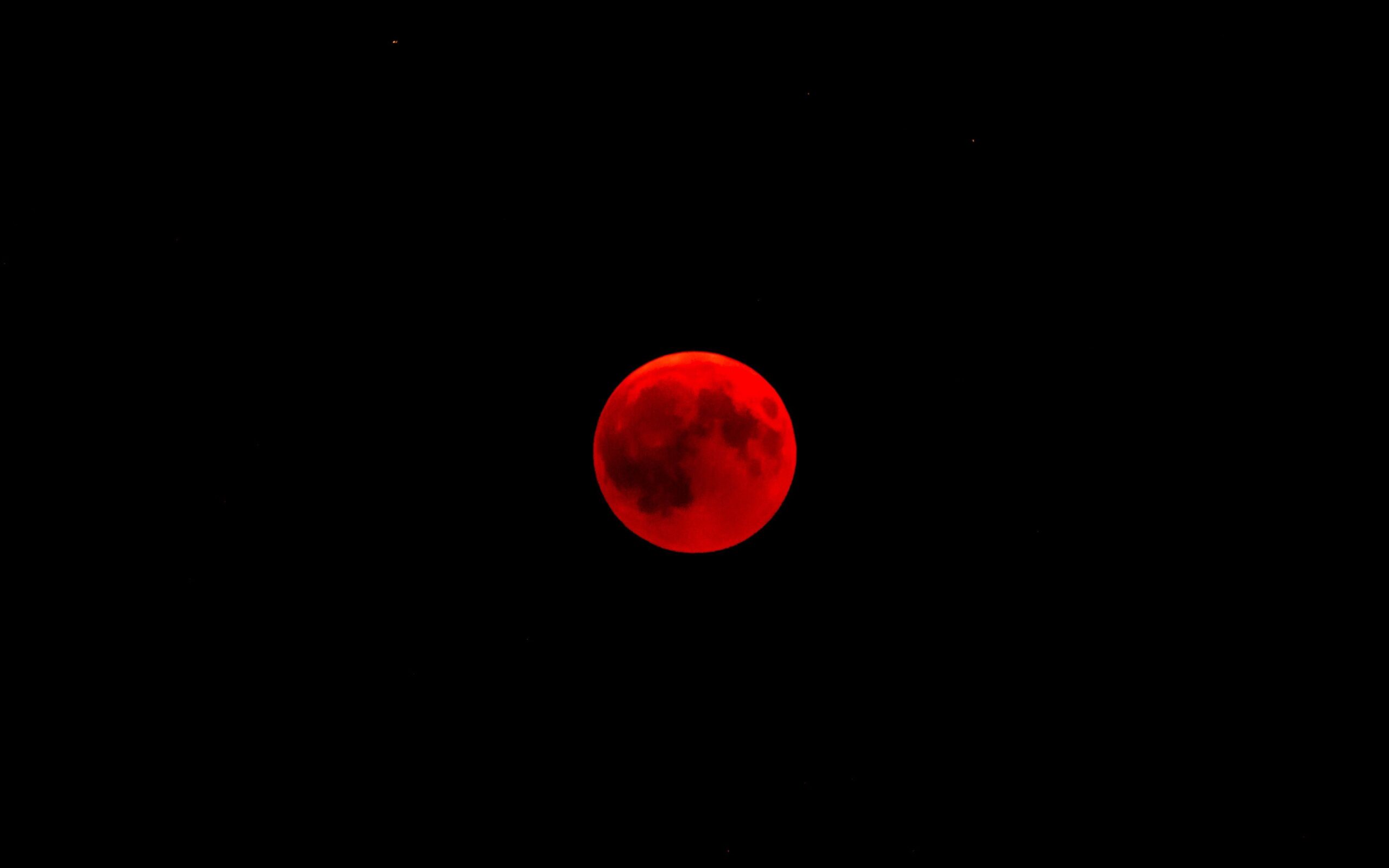
The crimson moon, often referred to as a blood moon, is a captivating celestial event that intrigues both astronomers and casual sky watchers alike. This phenomenon occurs during a total lunar eclipse, when the Earth passes between the sun and the moon, casting a shadow on the moon and creating a stunning red hue. The importance of the crimson moon goes beyond its visual beauty; it holds cultural significance in various societies and even has implications for astronomy and climate studies.
Recent Events
On November 8, 2022, a notable crimson moon was visible across the world, captivating audiences who took the opportunity to engage with the night sky. The phenomenon allowed millions to witness the awe-inspiring transformation of the moon, which can appear a deep red or orange color during the eclipse. Observers in Nigeria reported clear skies during the phase, making for perfect viewing conditions. This added to the phenomenon’s allure, as many took to social media to share their experiences and photographs of the event. In addition, many schools and educational institutions organized stargazing events to educate children about lunar eclipses and the science behind them.
Cultural Significance
Culturally, the crimson moon has various interpretations. In some cultures, it is viewed as an omen, while in others, it symbolizes rebirth and renewal. For instance, Native American tribes often referred to this moon as a time of harvest and celebration. In Nigeria, the crimson moon is associated with local folklore, often viewed as a time for community gatherings and storytelling, enriching cultural heritage while promoting unity.
Scientific Insights
From a scientific perspective, the crimson moon offers astronomers valuable insights into the Earth’s atmosphere and light scattering. Researchers utilize the data collected during lunar eclipses to study atmospheric conditions, including pollution levels, as the color and brightness of the moon are influenced by particles in the atmosphere. This allows for a deeper understanding of environmental changes and the factors impacting our planet.
Conclusion
The crimson moon continues to capture the fascination of people worldwide, serving as a reminder of the wonders of our universe. As interest in astronomy grows and more gatherings are organized to observe such phenomena, it is likely that the significance of the crimson moon will continue to inspire future generations. With upcoming lunar eclipses and the promise of more crimson moons, enthusiasts and casual observers alike have much to look forward to in terms of celestial spectacles that connect us with nature and foster a sense of community.