Introduction to the Elizabeth Line
The Elizabeth Line, officially opened in May 2022, represents a significant advancement in London’s transport infrastructure. This new railway line, which runs from Reading and Heathrow in the west to Abbey Wood in the east, aims to improve the connectivity across the city. With an expected 200 million passengers annually, the Elizabeth Line is poised to alleviate congestion in other parts of the transport network, making it a crucial development for both commuters and the economy.
Key Features and Developments
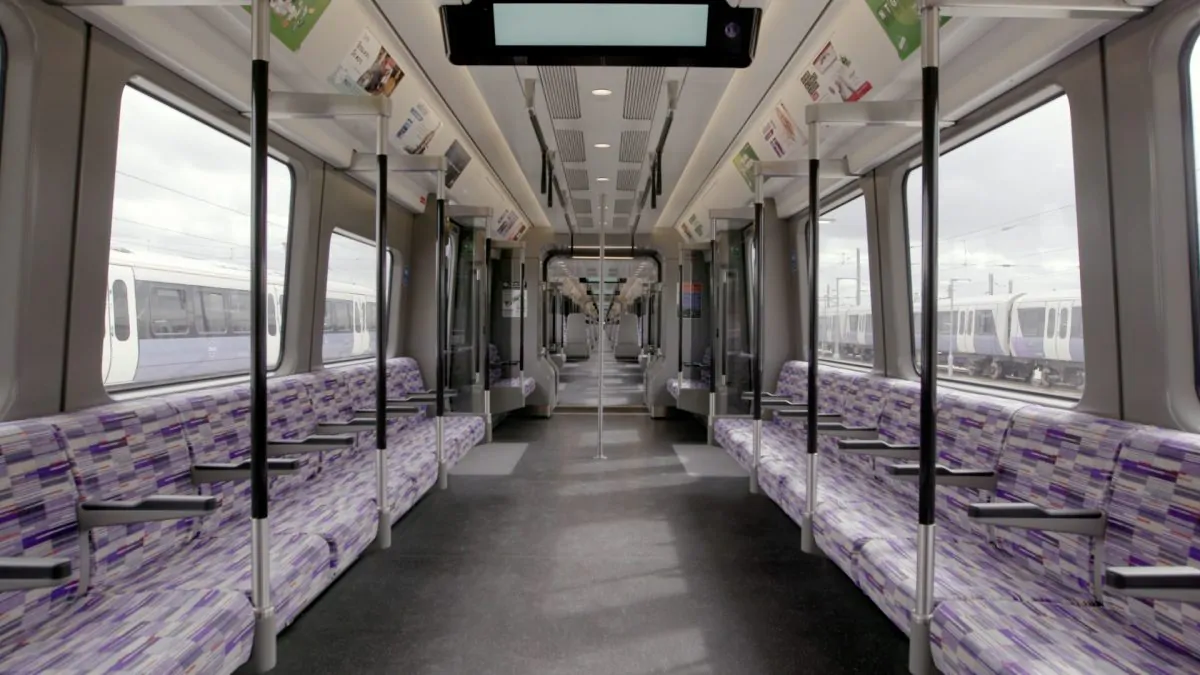
The Elizabeth Line spans over 60 miles and includes 41 stations, of which 10 are newly constructed. Modern trains capable of running at speeds up to 90 mph ensure fast and efficient travel. Additionally, with spacious interiors and step-free access, the line is designed to accommodate passengers of all abilities. Hubs at Paddington, Bond Street, and Liverpool Street enhance connectivity with existing Tube and rail services, further optimizing the overall travel experience.
Aside from its engineering marvel, the Elizabeth Line is also an environmentally conscious project. The trains are designed to be energy-efficient, and the construction of the line has prioritised green practices, aimed at reducing the carbon footprint of London’s transport system.
Impact on Commuters and Local Economy
The opening of the Elizabeth Line is expected to drastically reduce travel times. For instance, the journey from Paddington to Canary Wharf, which previously took approximately 40 minutes, can now be completed in just 17 minutes. Such improvements are vital for commuting professionals and students alike, contributing to enhanced productivity and quality of life.
Furthermore, the line is anticipated to stimulate economic growth in areas that are currently underserved by public transport. Businesses along the route are predicted to thrive thanks to increased foot traffic and accessibility. Local governments are also looking forward to the resultant increase in property values and development opportunities around the station locations.
Conclusion: Future Prospects
In conclusion, the Elizabeth Line stands as a testament to London’s commitment to modernizing its transportation infrastructure. As we look to the future, its influence on the urban landscape, commuter habits, and economic development will only deepen. While challenges remain, such as ongoing maintenance and adaptation to post-pandemic travel behaviors, the Elizabeth Line is indeed a promising addition to London’s storied transport network.