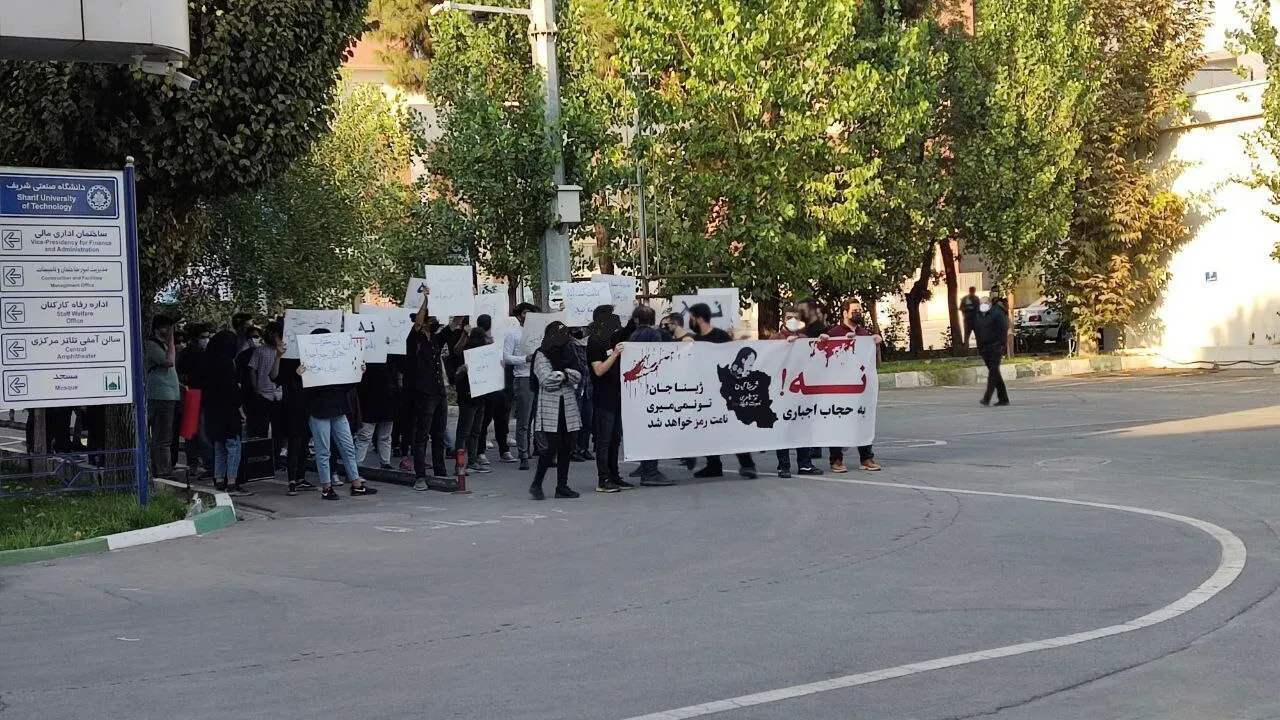
Introduction to Iran Protests
The protests in Iran have garnered significant global attention, highlighting longstanding grievances among citizens against the government. Triggered by a combination of political repression, economic hardship, and social injustice, these protests have emerged as a crucial issue in contemporary geopolitics. As the Iranian government continues to face criticism for its handling of the protests, understanding the causes and potential outcomes becomes increasingly relevant.
Current Landscape of the Protests
The Iran protests began in mid-September 2022 following the tragic death of Mahsa Amini, a young woman detained by the morality police for allegedly violating strict dress codes. Her death sparked outrage across the nation, leading to widespread demonstrations that quickly escalated into broader calls for political reform and women’s rights. According to reports from human rights organizations, more than 500 protestors have been killed in the ensuing violence, and thousands have been arrested. The Iranian government’s aggressive crackdown on dissent has raised alarms among global observers regarding human rights violations.
International Response to the Protests
Countries around the world have reacted to the protests with various degrees of support for the Iranian people. The United States, along with several European nations, has condemned the Iranian government’s actions and imposed sanctions on key officials. Moreover, grassroots movements advocating for Iranian rights have gained momentum, with protests held in solidarity in major cities around the globe, including London, Paris, and New York.
Implications for Iran’s Future
The outcome of the current protests remains uncertain, but experts suggest that they could lead to significant changes within Iran. The persistent demands for more freedoms and rights indicate a potential shift in public sentiment towards the government. However, the government’s steadfast approach to suppress dissent could create a more volatile situation in the long run. Analysts warn that the continued repression may fuel further unrest, which would not only destabilize the Iranian regime but also have repercussions throughout the region.
Conclusion
The Iran protests represent more than just a response to a single event; they illustrate a collective yearning for change in a society grappling with oppression, economic strife, and humanitarian concerns. As the situation evolves, the international community will need to remain engaged, advocating for human rights and supporting the aspirations of the Iranian people. Moving forward, the fate of these protests may play a vital role in shaping Iran’s future and its relationships with other nations.