Introduction
The annular solar eclipse scheduled for October 14, 2023, is a remarkable celestial event that has captured the attention of astronomers and enthusiasts alike. This type of eclipse occurs when the moon covers the center of the sun, leaving a ring-like appearance, often referred to as a ‘ring of fire’. The path of this eclipse is significant as it offers a unique viewing opportunity for millions of people across various regions, specifically in parts of the Americas and regions overseas, including Africa.
Details of the Annular Solar Eclipse Path
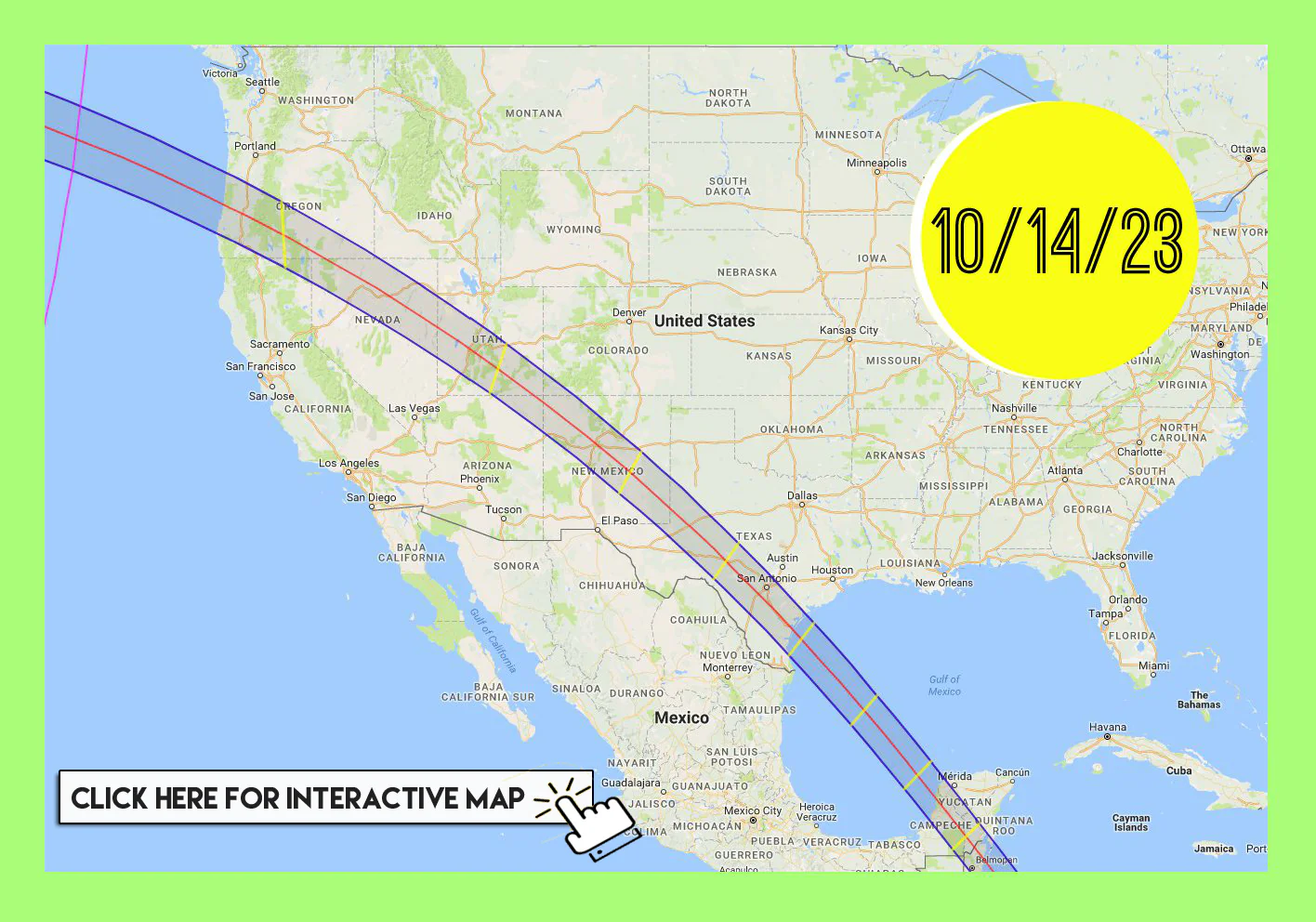
This annular solar eclipse will have a narrow path of visibility, stretching approximately 125 miles wide. The path will begin in the Pacific Ocean and will make landfall in parts of the United States, including several states like Oregon, California, Nevada, Utah, Arizona, Colorado, and Texas before moving on to parts of Central America and eventually reaching South America. While Nigeria won’t experience the full effect of the annular eclipse, people across the country will witness a partial solar eclipse where they can observe the moon covering part of the sun.
People living in cities within the path of annularity will enjoy a spectacular view, with the ring of fire observable for a few minutes, depending on their location. In contrast, those in Nigeria will observe a less dramatic event but can still appreciate the natural wonder by using proper solar viewing glasses.
Historical Context and Significance
Solar eclipses have long fascinated humanity, often inspiring cultural beliefs and scientific inquiry. The annular eclipse of 2023 is also significant because it coincides with increasing efforts globally to study and understand solar dynamics and their effects on climate and technology on Earth. The last solar eclipse visible in major parts of the United States was an eclipse of totality in 2017, which drew millions to observation sites across the country, and similarly high interest is expected for this annular event.
Conclusion
As anticipation builds for the annular solar eclipse of October 14, 2023, it serves as a reminder of the beauty and complexity of our solar system. This event not only provides a chance for extraordinary visual experiences but also encourages educational initiatives around astronomy and science. With appropriate preparations, people in Nigeria and other regions can still share in the excitement of this celestial phenomenon, cherishing the moments as the moon partially obscures the sun.