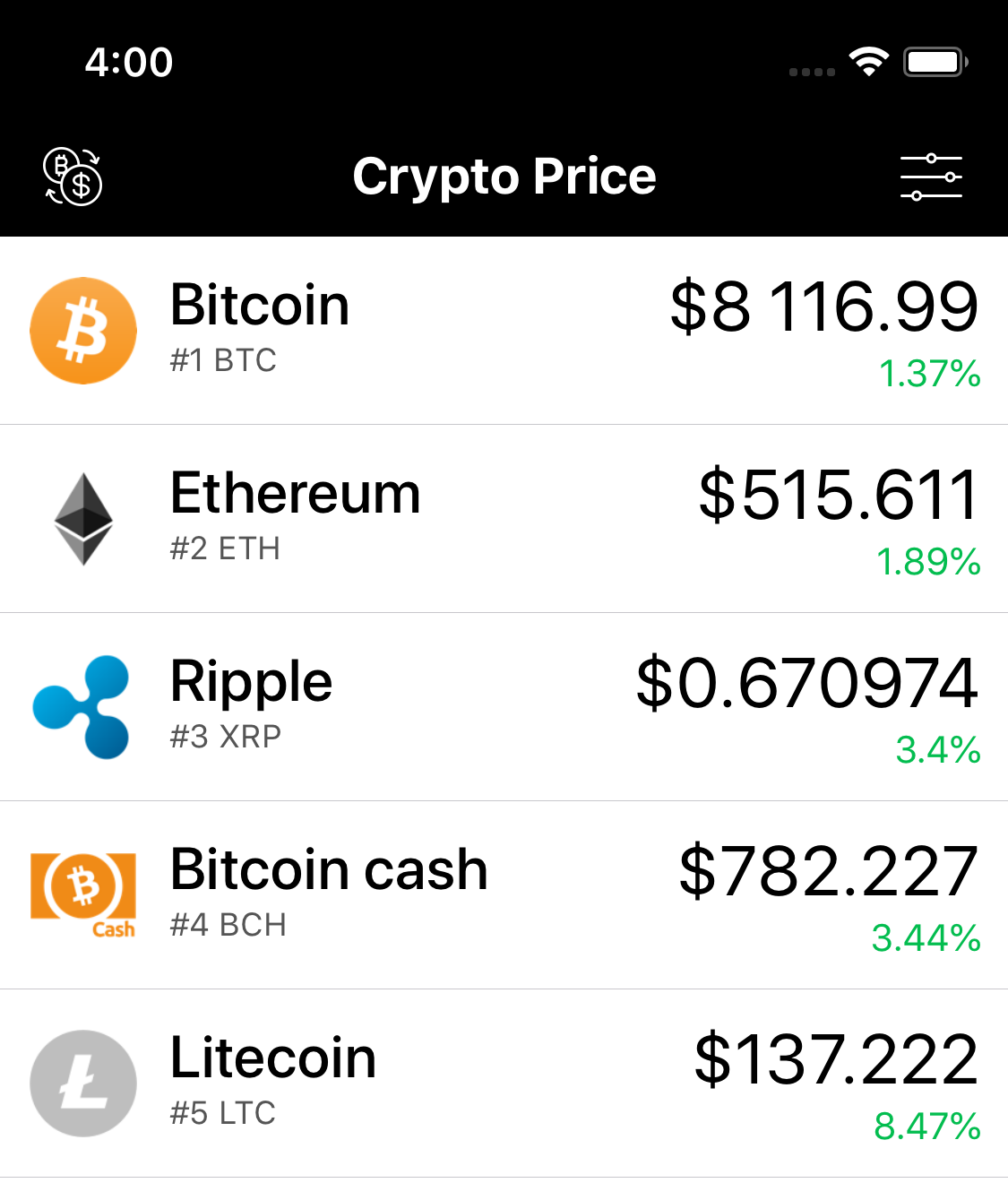
Introduction to Cryptocurrency in Nigeria
In recent years, cryptocurrencies have gained immense popularity not only globally but also in Nigeria. As one of the leading countries in cryptocurrency adoption in Africa, Nigeria stands at the forefront of this financial revolution. With its dynamic tech ecosystem and a youthful population eager to explore innovative financial solutions, the rise of crypto is a significant topic that reflects broader trends in technology, finance, and the economy.
The Growth of Crypto Adoption
According to Chainalysis, a blockchain analytics firm, Nigeria ranks as the country with the highest rate of cryptocurrency adoption in Africa, with millions of users engaging in crypto transactions. Factors contributing to this trend include a struggling economy, high inflation rates, and limited access to traditional banking services. Many Nigerians are turning to cryptocurrencies as a means to safeguard their assets and conduct transactions efficiently.
Regulatory Developments
The Nigerian government and financial regulators have taken notice of these trends and responded with various measures. The Central Bank of Nigeria (CBN) has issued guidelines regarding the use of digital currencies, highlighting the risks associated with them while also expressing an interest in exploring Central Bank Digital Currency (CBDC). The introduction of the eNaira in October 2021 was a significant step towards integrating digital currency into Nigeria’s financial system.
Challenges Facing the Crypto Market
Despite the upward trajectory, the Nigerian crypto market faces various challenges. High volatility, regulatory uncertainty, and security concerns associated with digital assets continue to pose risks for investors. Scams and lack of consumer protections also deter potential users from fully engaging in the crypto market. To combat these challenges, industry stakeholders are advocating for clearer regulations to protect citizens and encourage responsible investment.
Future Outlook
Looking ahead, the future of crypto in Nigeria appears promising. As more fintech companies innovate and provide services around blockchain technology, the ecosystem is likely to grow. The increasing interest from global investors and institutions could also bolster local endeavors, making Nigeria a vital player in the global crypto landscape. Educational initiatives aimed at informing investors about risk management and responsible trading practices will be crucial for sustainable growth.
Conclusion
The cryptocurrency landscape in Nigeria is rapidly evolving, with significant opportunities and challenges ahead. As the country navigates this complex environment, it is essential for investors, policymakers, and enthusiasts to work together towards creating a secure and thriving crypto market. Understanding these dynamics will be critical for individuals looking to engage in cryptocurrencies and for the economy as a whole.