Introduction
The Quran, the holy book of Islam, is considered the literal word of God (Allah) as revealed to the Prophet Muhammad. Its significance lies not only in its spiritual and moral guidance but also as a complete doctrine governing the social, political, and personal lives of Muslims. With over 1.9 billion followers globally, understanding the Quran’s importance is essential for appreciating the faith of a significant portion of the world’s population.
Structure and Content of the Quran
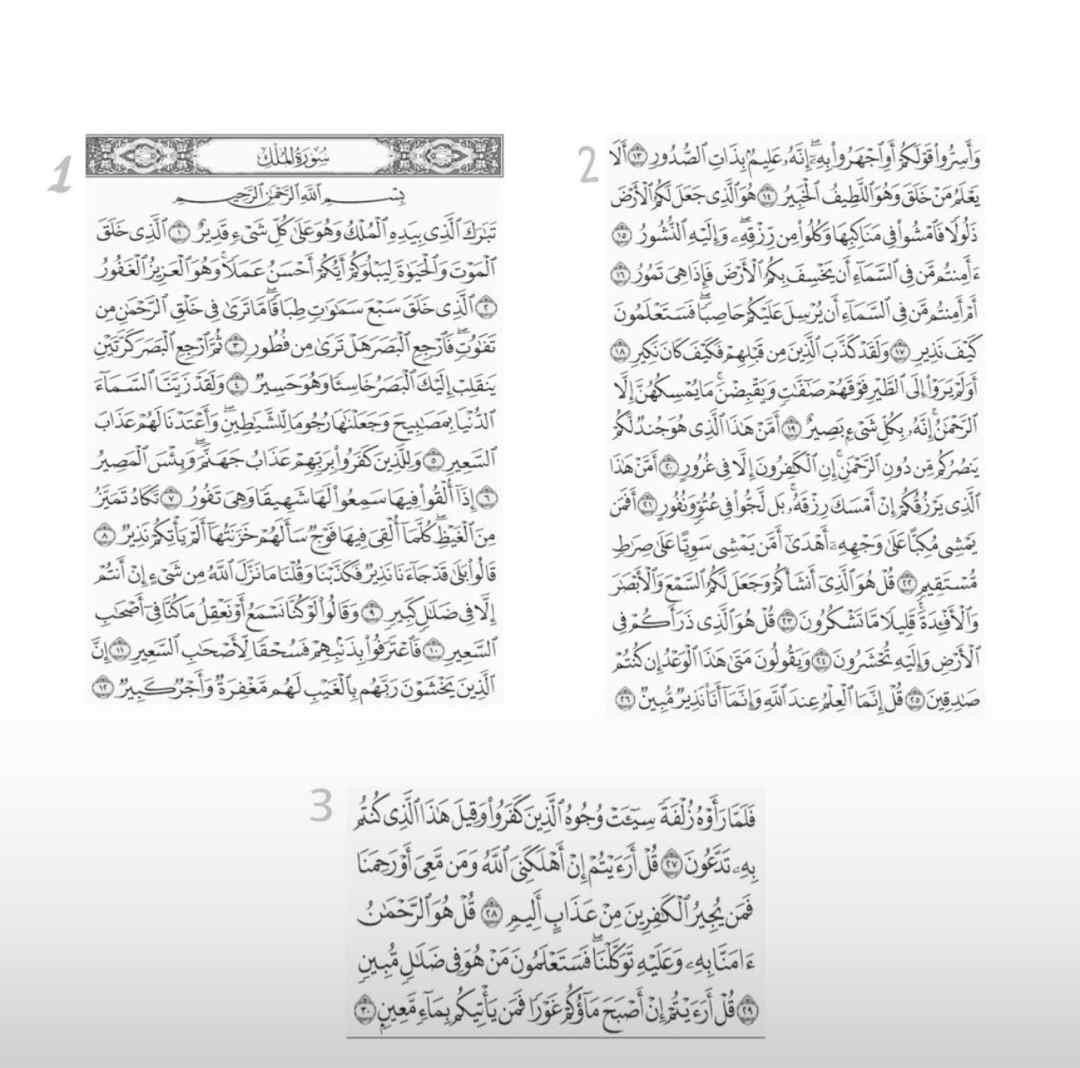
The Quran comprises 114 chapters known as Surahs, which vary in length and cover numerous themes, including theology, morality, guidance, and law. The text is written in Arabic, and it is often memorized and recited in its original language, as many believe that translations can lose the Quran’s essence. Recitation of the Quran is a powerful act of worship among Muslims, and it plays a central role in daily prayers (Salah) and other religious rituals.
Modern Relevance and Impact
In contemporary society, the Quran continues to influence millions through its teachings on justice, compassion, and community. It provides guidance on personal conduct, family relations, environmental issues, and even economic dealings. Educational institutions dedicated to studying the Quran and its interpretations have proliferated, aiding in its understanding among both Muslims and non-Muslims alike.
Conclusion
The significance of the Quran extends beyond religious boundaries, fostering a sense of belonging among its followers while impacting various social structures. As discussions on interfaith dialogue continue, recognizing the Quran’s role can bridge understanding and respect between different cultures and beliefs. Predictively, the role of the Quran will remain pivotal in shaping future generations, leading to a greater push for mutual respect and understanding within an increasingly diverse world.