Introduction
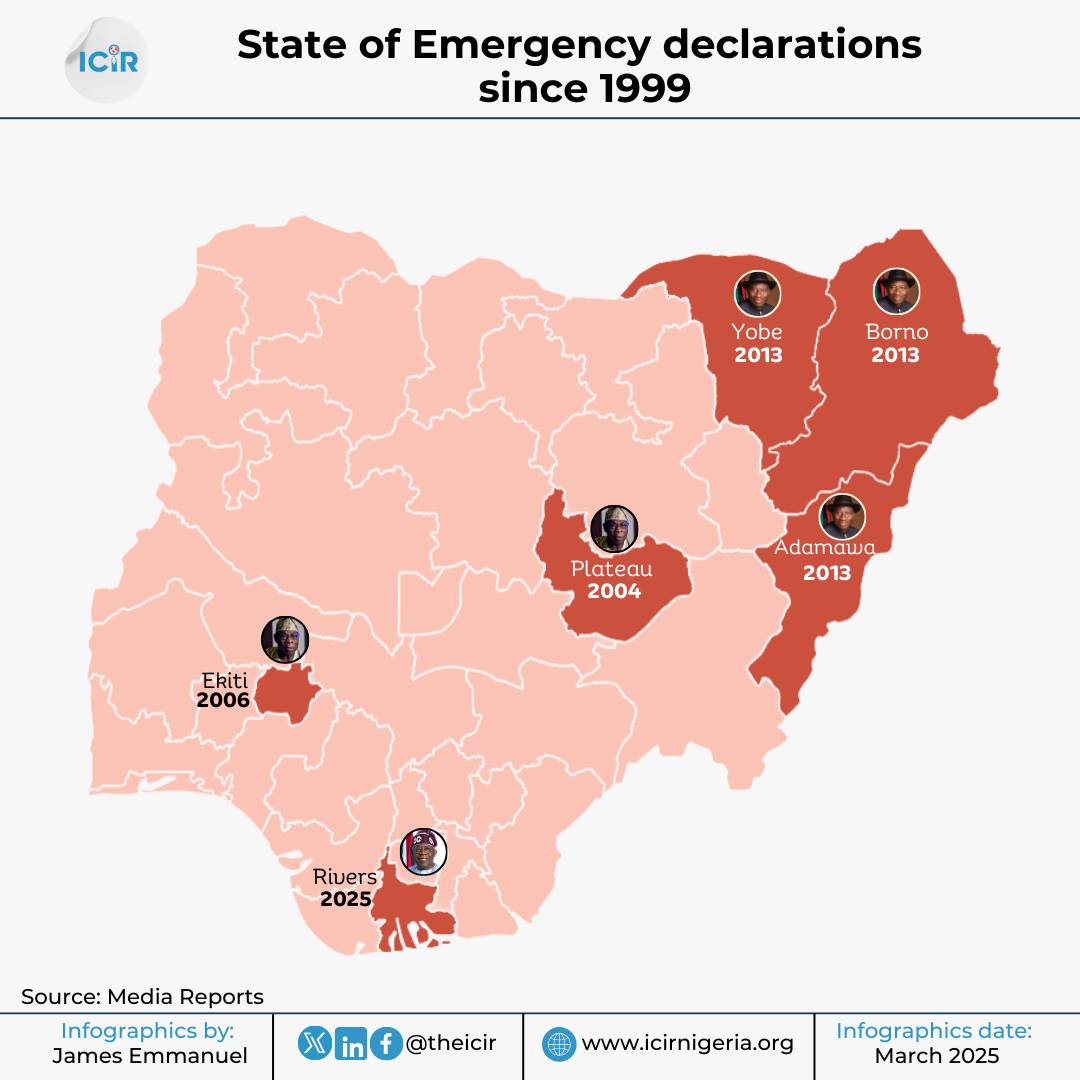
The declaration of a state of emergency is a significant political maneuver that can impact governance, security, and civil liberties. In Nigeria, where security challenges have surged in recent years, the relevance of a state of emergency is underscored by ongoing battles against insurgency, banditry, and communal violence. As the nation grapples with increasing instability, understanding the implications of such declarations becomes vital.
Current Context
As of October 2023, Nigeria’s government has declared a state of emergency in certain regions due to rising violence and heightened risks to public safety. This emergency status is particularly prominent in the northeastern states, where the Boko Haram insurgency continues to wreak havoc, and in some northwestern states suffering from rampant banditry. The measures taken by the government aim to restore order and ensure the safety of citizens amidst these crises.
In these regions, the government has deployed additional military and police forces, instituted curfews, and limited gatherings to curb violence. However, such measures have met with mixed reactions from the public. While some citizens believe these actions are necessary to regain control, others express concerns over potential human rights violations and the impact on everyday life.
Government Response and Reactions
In response to the growing threats, Nigerian authorities have outlined a framework for emergency powers, allowing for enhanced military operations and judicial processes. The aim is to dismantle terrorist networks and restore normalcy. President Bola Ahmed Tinubu emphasized in a recent address that these steps are essential for national security and the longevity of peace in troubled areas.
Community leaders have voiced both support and criticism of the state of emergency. While many citizens are hopeful that these emergency measures will lead to significant improvements in security, there are fears that prolonged military presence may exacerbate tensions and lead to resentment among the local population.
Conclusion
The declaration of a state of emergency in Nigeria is an important development that reflects the gravity of the security challenges facing the nation. As Nigerian authorities attempt to balance the need for security with the need for civil rights, the public’s response will be crucial to the success of these initiatives. Moving forward, it is essential for the government to maintain open communication with affected communities to foster trust and cooperation. Observers will be watching closely to see if these emergency measures yield a lasting solution to Nigeria’s complex security issues.