Introduction
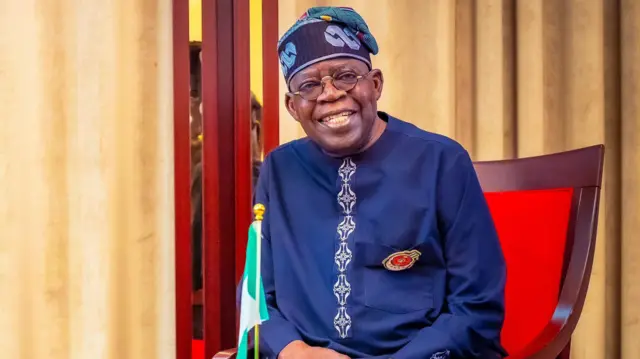
In recent weeks, President Bola Ahmed Tinubu of Nigeria has sparked significant discussions with his decision to grant pardons to selected prisoners. This move is seen as part of a larger initiative to reform the criminal justice system in Nigeria. As various reports flood in about the released individuals, the implications of these pardons extend beyond mere clemency, touching on themes of justice, rehabilitation, and national unity.
Details of the Pardons
On November 1, 2023, the Nigerian president announced a series of pardons that included individuals convicted of various non-violent offenses, as well as some political prisoners believed to have been unfairly incarcerated. The list included over 50 inmates who had demonstrated good behavior and a commitment to reform during their time in detention. Tinubu’s administration emphasized that the intent behind these pardons was to alleviate overcrowding in prisons and ensure that justice is served fairly and compassionately.
Context and Implications
The decision to grant pardons comes at a time when Nigeria’s prison system is under scrutiny. According to the Nigerian Correctional Service, as of 2022, the nation’s prisons were operating at over 200% capacity, leading to calls for urgent reform. Experts argue that such measures can help create pathways for rehabilitation rather than punishment alone. The president’s pardons could be a stepping stone towards comprehensive criminal justice reform, aiming to restore faith in the system.
Furthermore, the pardons also have political ramifications. Some observers contend that pardoning political prisoners could foster reconciliation in a country that has seen heightened ethnic and political tensions. The Tinubu administration has faced criticism for previous actions perceived as suppressive, thus this gesture may serve as a signal of goodwill towards contentious groups.
Conclusion
As Nigeria continues to grapple with issues of governance and justice, President Tinubu’s pardons represent a significant moment in the nation’s history. While the immediate effects of these pardons may be felt in the lives of those released, their broader impact on the Nigerian justice system and society at large remains to be seen. As reforms unfold, citizens and international observers alike will be watching closely to determine whether these actions pave the way for a more equitable and humane legal framework in Nigeria. Ultimately, the true test will lie in whether the government can implement systemic changes that address the root causes of crime and foster a culture of rehabilitation over retribution.