Introduction to Vitamin D
Vitamin D is a vital nutrient that plays an essential role in maintaining overall health. Often referred to as the ‘sunshine vitamin’, it is unique because it can be synthesized by the body when exposed to sunlight. The relevance of Vitamin D has gained significant attention in recent years due to its profound impact on various aspects of health, including bone strength, immune function, and chronic disease prevention.
The Essential Benefits of Vitamin D
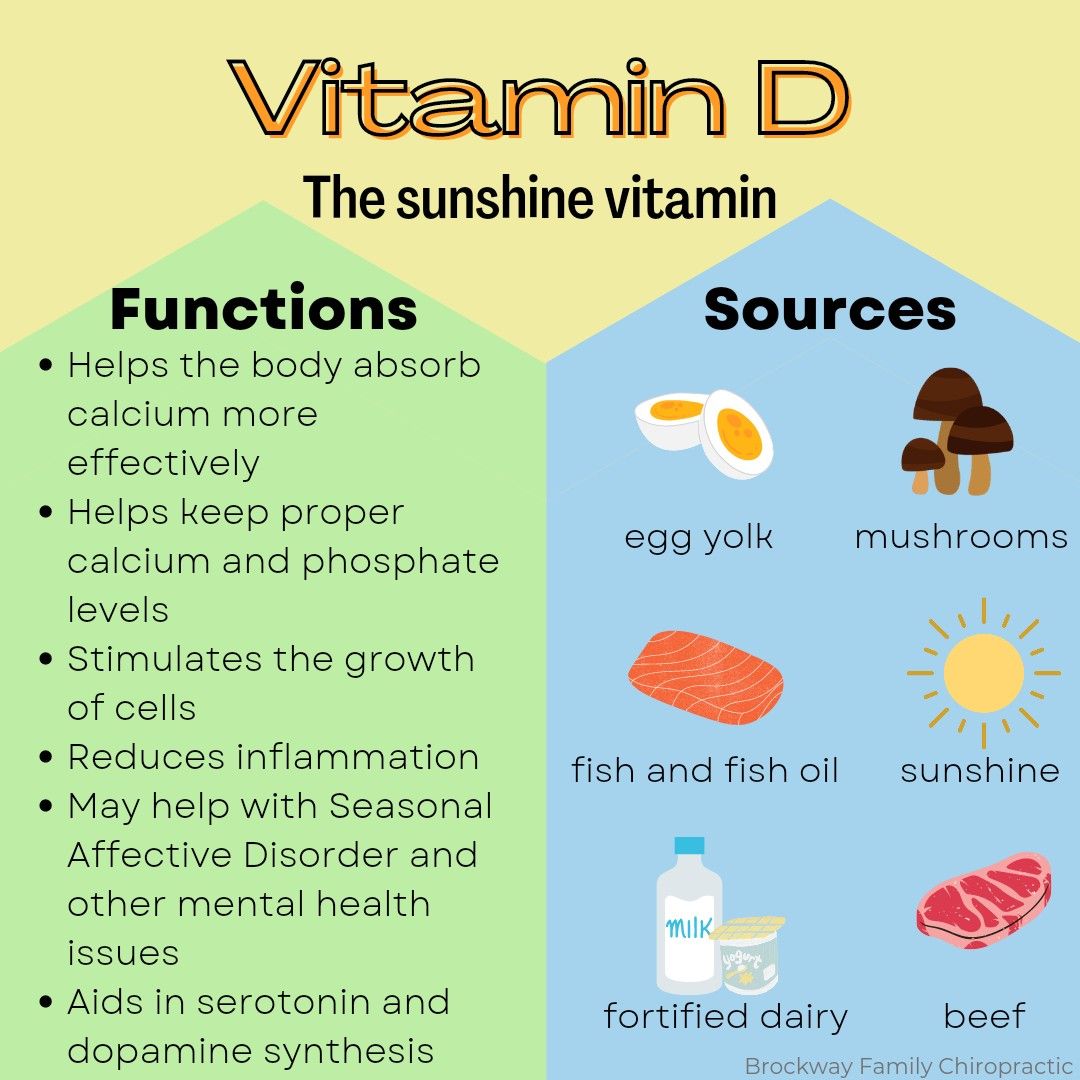
Studies indicate that Vitamin D is crucial for calcium absorption, which is necessary for maintaining healthy bones and teeth. A deficiency in Vitamin D can lead to conditions such as rickets in children and osteoporosis in adults. Moreover, adequate Vitamin D levels have been associated with better immune responses. Recent research suggests that it may play a role in reducing the risk of respiratory infections and may even influence mood and mental health outcomes.
Sources of Vitamin D
There are primarily three sources of Vitamin D: sunlight, food, and supplements. Natural sunlight is the most efficient source; just 10 to 30 minutes of sun exposure several times a week can often meet the necessary levels. Dietarily, Vitamin D can be found in fatty fish (like salmon and mackerel), fish liver oils, egg yolks, and fortified foods such as milk and cereals. For those who struggle to get adequate vitamin D from the sun or their diet, supplements are available to help bridge this gap.
The Current Status of Vitamin D Awareness
Despite its importance, many people worldwide are Vitamin D deficient, which highlights a significant public health concern. According to the World Health Organization, the ongoing COVID-19 pandemic has brought more attention to the role of Vitamin D in immune health. Health professionals continue to encourage testing and awareness about optimal Vitamin D levels, especially in populations at risk for deficiency.
Conclusion
In conclusion, Vitamin D is a critical nutrient for overall health. Ensuring you receive sufficient amounts through sun exposure, dietary sources, and potentially supplements is essential for maintaining good health, especially amongst vulnerable groups. As more research unfolds, the importance of Vitamin D in health optimization will only continue to gain importance, prompting ongoing discussions between healthcare providers and patients about monitoring and improving Vitamin D status.