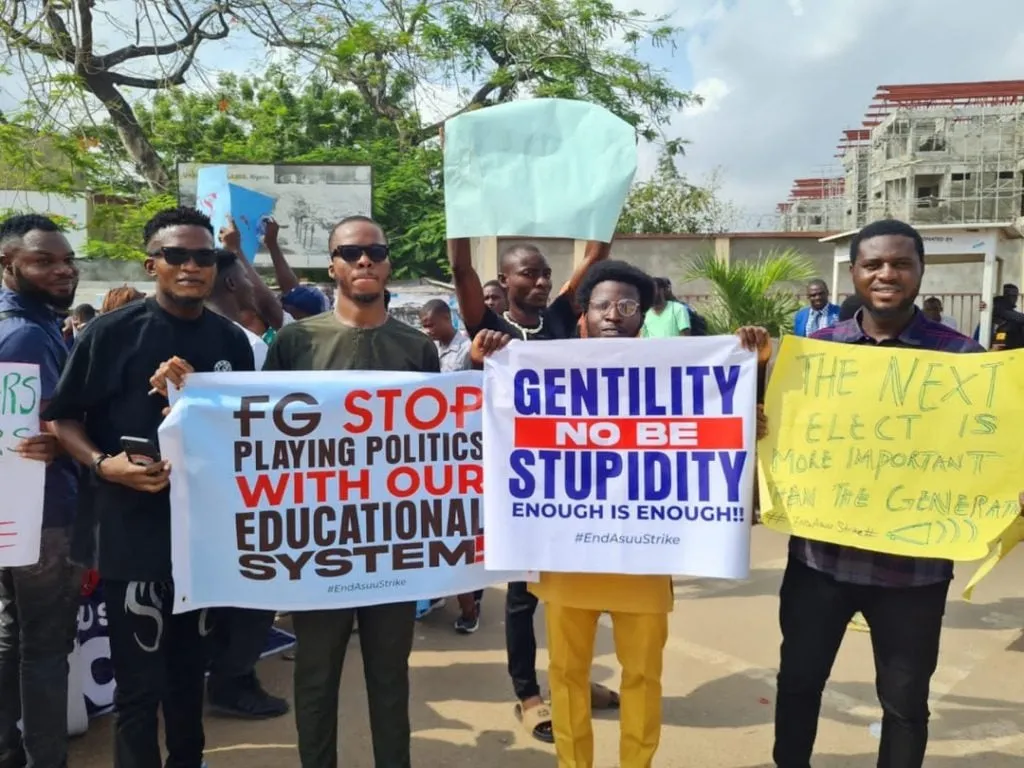
Impact of the UNILAG ASUU Strike
The indefinite strike declared by the Academic Staff Union of Universities (ASUU) at the University of Lagos (UNILAG) on March 11, 2026, has significant consequences for academic activities. The strike, prompted by the incomplete payment of January and February salaries, has raised concerns among students and faculty alike.
UNILAG management has condemned the strike, stating that due process was not followed in its declaration. They emphasized the importance of maintaining academic activities during this period, especially as semester examinations are currently underway.
Despite the strike, UNILAG management has assured that ongoing examinations will proceed as scheduled. However, courses for which examinations were postponed will be rescheduled, and the university is actively engaging with ASUU to resolve the issues regarding unpaid allowances.
Prof Idou Keinde, the ASUU chairman at UNILAG, has made it clear that lecturers will not return to work until all outstanding payments are settled. This situation has put added pressure on the university’s administration to find a swift resolution.
In February, the federal government announced the implementation of key welfare components of its renegotiated agreement with ASUU, which included a 40 percent increase in consolidated academic allowances effective from January 1, 2026. However, the ongoing issues with salary payments have overshadowed these developments.
UNILAG management has appealed to all members of the university community to remain calm and continue with their lawful academic activities as discussions with the ASUU executive continue toward an amicable resolution of the issues raised.
As of now, examinations are set to resume on March 12, 2026, but the uncertainty surrounding the strike may affect this timeline. Details remain unconfirmed regarding the resolution of the salary disputes and the potential return of lecturers to their duties.
The situation at UNILAG highlights the ongoing challenges faced by educational institutions in Nigeria, particularly in relation to funding and staff welfare. The outcome of the current negotiations between the university management and ASUU will be crucial in determining the future of academic activities at the institution.