Introduction
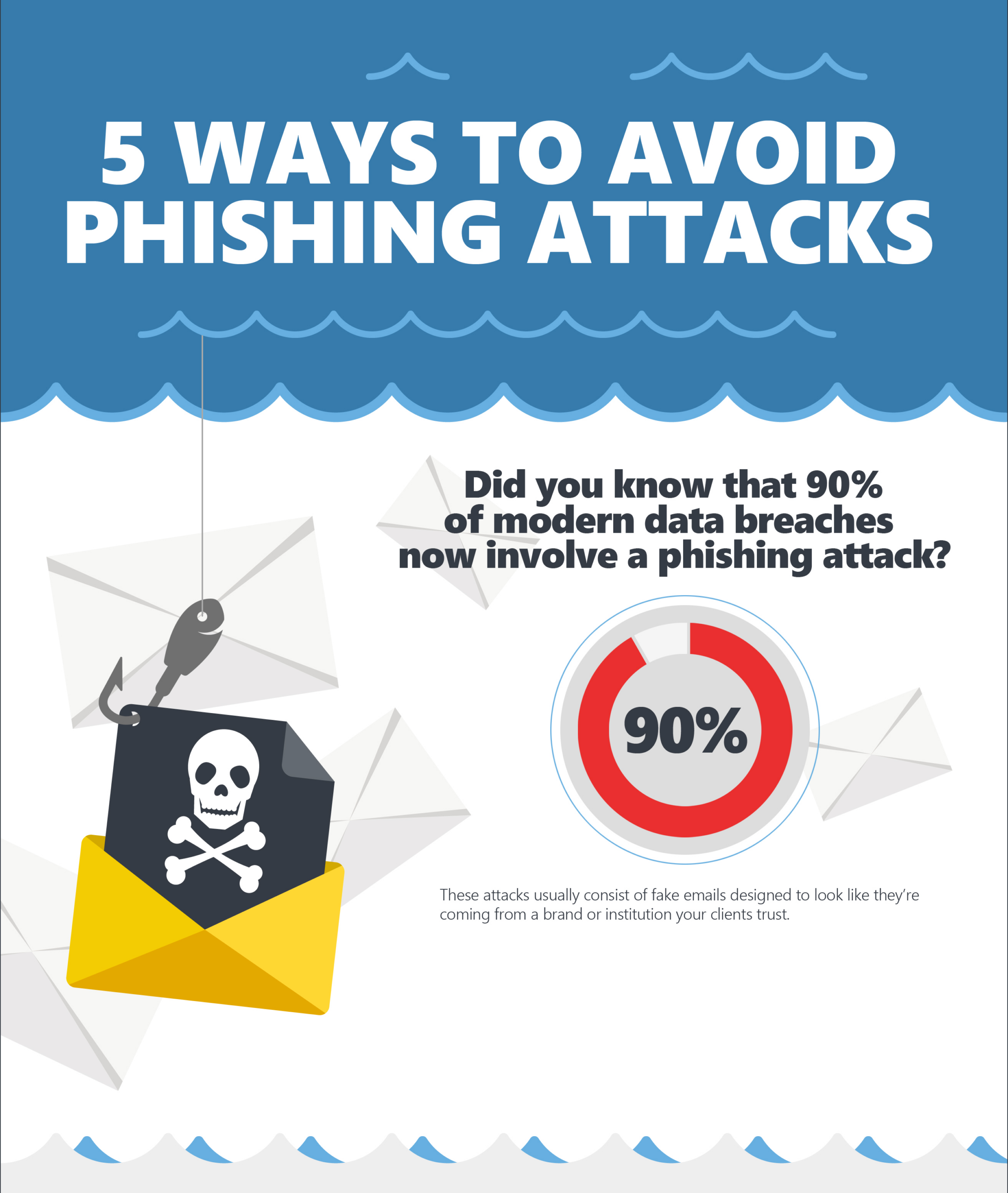
Phishing is a type of cyber attack that aims to steal sensitive information from individuals or organizations by masquerading as a trustworthy entity. With the rise of digital communication and online banking, phishing has become increasingly prevalent, making it a critical issue in today’s cybersecurity landscape. Understanding how phishing works and how to protect against it is essential for everyone, from casual internet users to businesses.
Types of Phishing Attacks
Phishing attacks can take various forms, including:
- Email Phishing: This is the most common form, where attackers send emails pretending to be from reputable sources like banks or online services, tricking victims into providing personal information.
- Smishing: Phishing attacks conducted via SMS, often prompting users to click on malicious links.
- Vishing: Voice phishing occurs over the phone, with attackers impersonating legitimate organizations to extract sensitive information from targets.
- Spear Phishing: Unlike regular phishing, this type is highly targeted, where attackers customize their messages for specific individuals or organizations.
Recent Events and Statistics
According to the Cyber Security & Infrastructure Security Agency (CISA), phishing has accounted for a significant portion of cyber incidents reported each year. In 2023, the FBI reported over 241,000 incidents of phishing, with victims collectively losing more than $1.8 billion. Notably, organizations in sectors such as healthcare, finance, and education have seen a surge in phishing attacks, especially as remote work has increased vulnerability to such threats.
How to Protect Yourself from Phishing
To defend against phishing attacks, consider the following best practices:
- Be Wary of Unknown Sources: Always verify the sender’s email address and avoid clicking on suspicious links.
- Use Two-Factor Authentication: This adds an extra layer of security, making it harder for attackers to access your accounts even if they obtain your password.
- Keep Software Updated: Regular updates to your operating system and applications can close vulnerabilities exploited by attackers.
- Educate Yourself: Stay informed about the latest phishing techniques and educate others about recognizing potential scams.
Conclusion
Phishing continues to be a significant threat in today’s digital landscape, impacting individuals and businesses alike. By understanding the methods employed by attackers and implementing preventive measures, users can better safeguard their information. As cyber threats evolve, staying vigilant and informed will be crucial in minimizing the risk of falling victim to phishing attacks.