Introduction
Egungun, an important cultural icon in Lagos, holds a unique place in the Yoruba tradition, embodying the spirits of ancestors and serving as a bridge between the living and the spiritual world. The relevance of Egungun in modern Lagos reflects the city’s deep-rooted history and the perseverance of traditional beliefs amidst rapid urbanization and globalization. As Nigeria continues to celebrate its diverse heritage, understanding who Egungun is, and their role in the society becomes increasingly significant.
The Role of Egungun
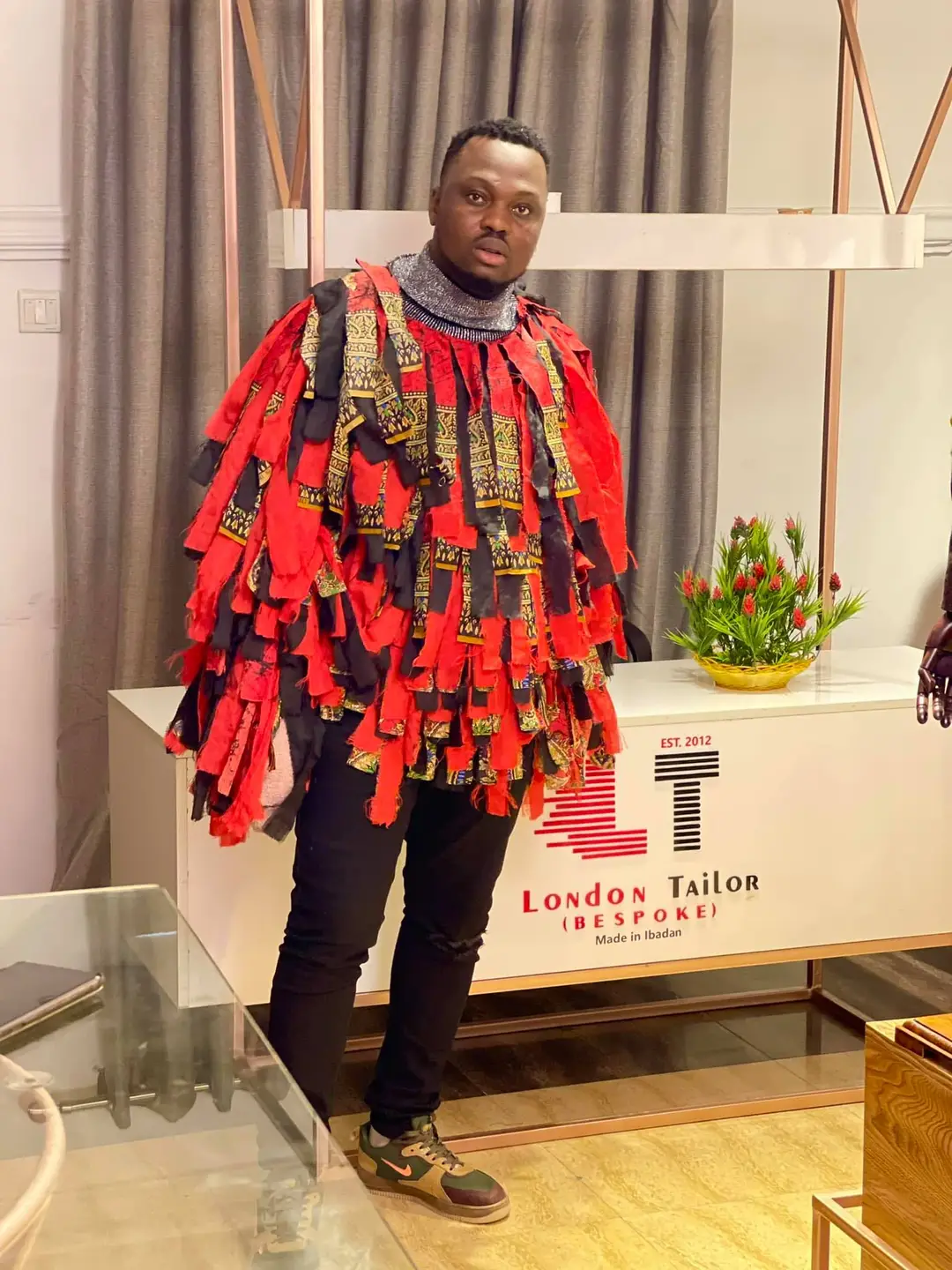
Egungun masquerades are widely recognized for their vibrant costumes and ceremonial dances, representing ancestral spirits during festivals and important community gatherings. These performances, often characterized by colorful attire adorned with masks and beads, are integral during the annual Egungun festival in Lagos, showcasing not just spiritual beliefs but also the artistic expressions of the Yoruba culture.
During these festivals, the Egungun engage with the crowd, delivering messages of wisdom, blessings, and sometimes warnings. They play a vital role in social cohesion, encouraging community participation and reaffirming shared cultural values. The masqueraders, selected from various families in the community, are often seen as representatives of their ancestors, emphasizing the importance of lineage and heritage in Yoruba society.
Cultural Significance
The significance of Egungun goes beyond religious or cultural interpretations. In contemporary Lagos, the Egungun masquerades have become symbols of identity for many Yoruba residents, serving as a reminder of their rich history and traditions. The performances also highlight the resilience of indigenous practices in a city that is increasingly dominated by modernity and western influences.
Moreover, the Egungun serve as a cultural tourism attraction. Events associated with Egungun festivals draw visitors both locally and internationally, offering an opportunity to experience Yoruba traditions firsthand. This cultural exchange not only promotes understanding and appreciation of Nigeria’s rich heritage but also supports local economies through tourism.
Conclusion
In conclusion, the Egungun of Lagos is more than just a traditional masquerade; it embodies the history, spirituality, and cultural pride of the Yoruba people. As the world continues to evolve, the enduring presence of Egungun acts as a potent reminder of the importance of cultural heritage and community identity. Looking forward, it is vital for future generations to embrace these traditions, ensuring that the tales and teachings of ancestors continue to be celebrated and preserved.