Introduction
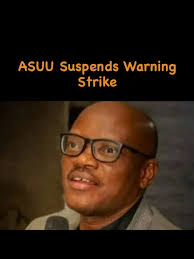
The Academic Staff Union of Universities (ASUU) has officially suspended its warning strike, a decision that comes after prolonged tensions surrounding lecturers’ demands for better working conditions and improved funding for public universities across Nigeria. This development is crucial for students, parents, and educational stakeholders, as it paves the way for academic activities to resume and outlines the ongoing negotiations between the union and the government.
Details of the Suspension
In a statement issued on Tuesday, ASUU leadership highlighted the need for dialogue and constructive engagement with the government to address the core issues that prompted the strike. The union initially embarked on the warning strike to express discontent over the government’s failure to fulfil prior agreements made concerning salary increases, academic infrastructure, and general welfare of university staff. By suspending the strike, ASUU hopes to re-establish normalcy in academic calendars and calls on the government to respond positively to their demands.
Recent Developments
This suspension comes in the wake of various protests and calls from students and parents demanding an end to the disruption in academic schedules, which had already seen significant impact due to previous strikes in the last year. The Nigerian public has reacted with mixed feelings; while many are relieved that the strike has been suspended, apprehension remains as to whether the government will take the necessary steps to fully meet ASUU’s demands before a permanent solution can be reached.
Conclusion
The suspension of the warning strike by ASUU is a tentative move towards ensuring educational stability in Nigerian universities. However, the continuation of the dialogue between ASUU and the government is essential to prevent future disruptions. Analysts believe that without concrete actions from the government, the potential for further strikes looms large, which would once again jeopardize the academic future of students. For all involved, this situation remains dynamic and warrants keen observation as the implications will resonate through the educational landscape of Nigeria.