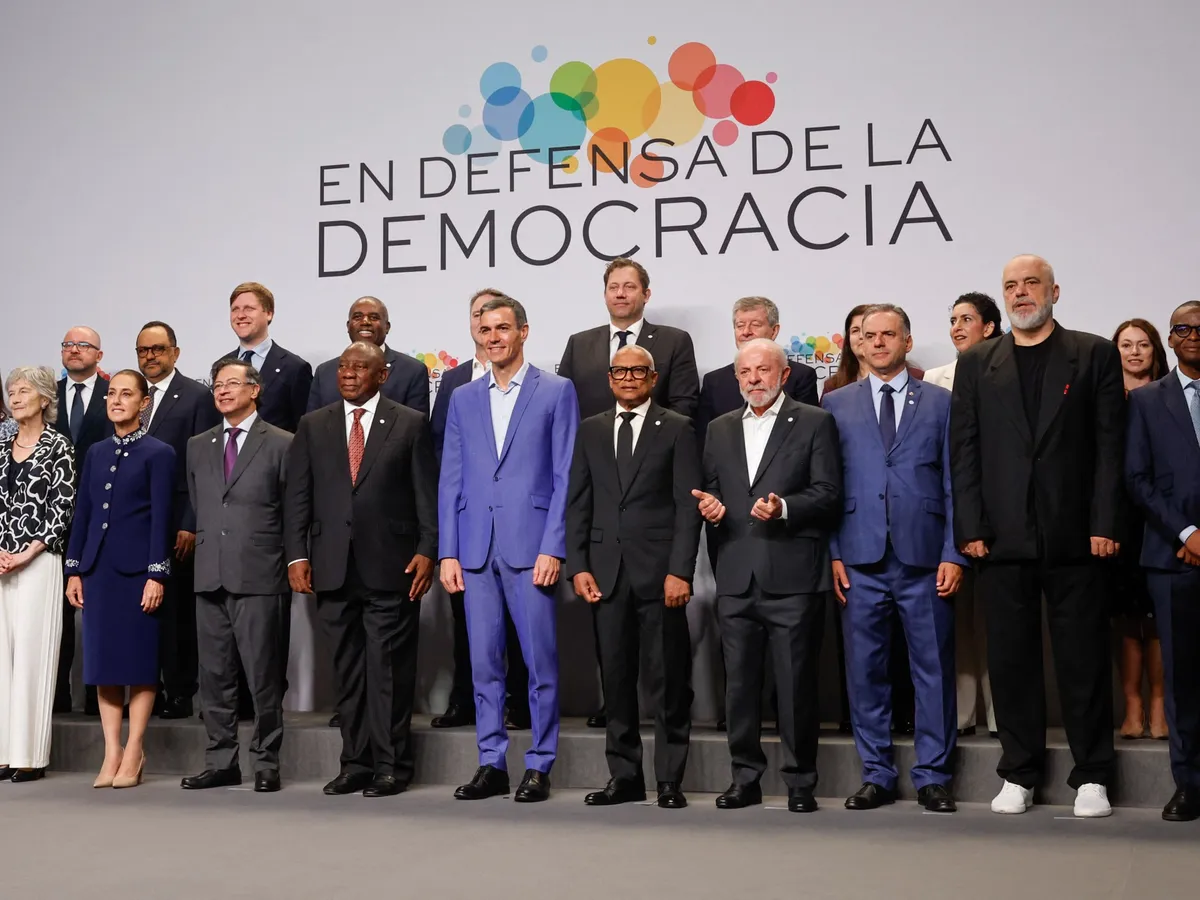
Cuba is facing an unprecedented humanitarian crisis. The stakes are high—millions of Cubans are struggling with severe shortages of food, medicine, and fuel. Recent pledges of aid from Mexico, Spain, and Brazil highlight the international community’s concern and willingness to help, but will it be enough to alleviate the suffering?
This crisis has deep roots. The United States has imposed a trade embargo on Cuba since the 1960s, which has significantly restricted the island’s economy. Fuel shortages and energy blackouts have become commonplace due to these sanctions. In a recent statement, leaders from Mexico, Spain, and Brazil expressed their commitment to increasing humanitarian support aimed at alleviating the suffering of the Cuban people.
But what does this aid entail? The three countries have pledged more assistance while calling for respect for Cuba’s sovereignty. They emphasized that Cubans must decide their own future—a sentiment echoed by Cuban President Miguel Diaz-Canel. He remarked on the challenges facing his nation, stating that the moment is extremely challenging and calls upon us once again to confront serious threats, including military aggression.
The backdrop to this situation is complex. Donald Trump’s administration took aggressive actions against Cuba, threatening military action and barring oil imports from Venezuela—a crucial ally for Cuba. These decisions have compounded the effects of the long-standing US blockade, leading to dire conditions for everyday Cubans.
In Barcelona, where the leaders convened to discuss support for Cuba, they warned against actions that could violate international law. They called for a sincere and respectful dialogue regarding Cuba’s future—a necessary step towards addressing not just immediate needs but also long-term stability.
Numbers tell part of this story: millions are affected by food insecurity; countless families struggle daily to meet basic needs. Yet despite these grim statistics, there remains hope in international solidarity. As Pedro Sanchez of Spain pointed out, democracy cannot be taken for granted; it requires constant vigilance and support.
What lies ahead? While Mexico, Spain, and Brazil have taken significant steps towards aiding Cuba, uncertainties remain about how effective these efforts will be in light of ongoing US sanctions and political tensions. Details remain unconfirmed regarding the specific nature or timeline of this aid.
Cuba stands at a crossroads—its future uncertain yet pivotal. The world watches as it navigates this humanitarian crisis amidst global political dynamics that affect its very survival.