Introduction
The exchange rate between the dollar and the naira has become a point of great concern for Nigerians as the economy continuously grapples with inflation and currency devaluation. Understanding the dynamics of this exchange rate is vital not only for traders and businesses but also for everyday Nigerians who are affected by the cost of imported goods and foreign remittances.
Current Exchange Rate Trends
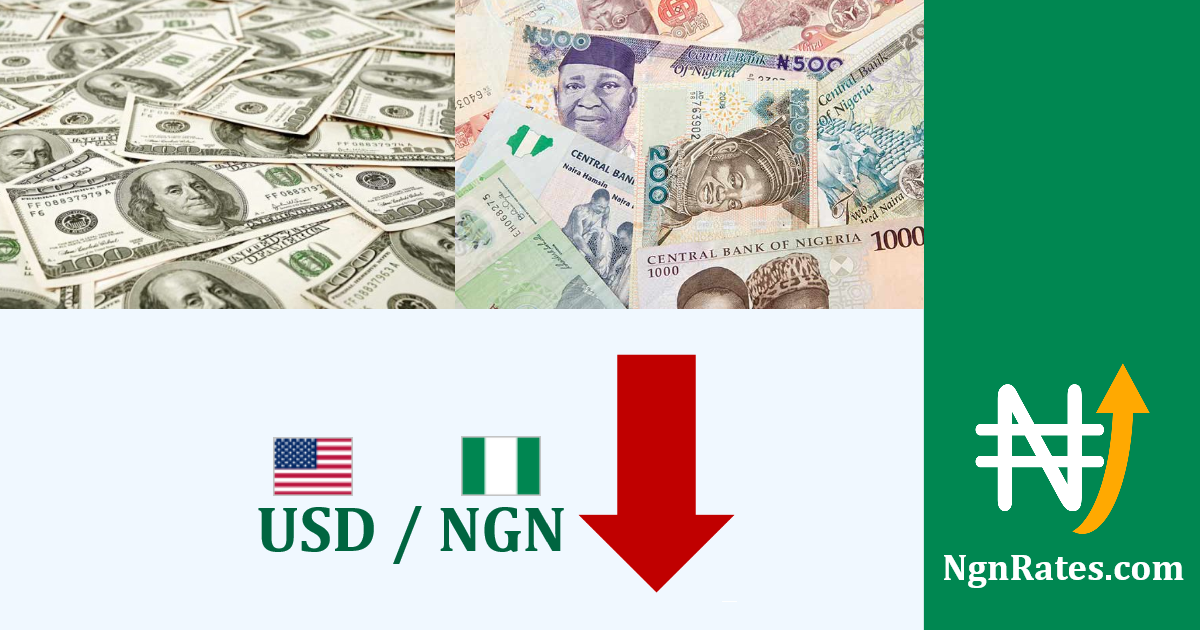
As of late October 2023, the exchange rate for the dollar to naira stands at approximately ₦775. This figure represents a continuing depreciation of the naira, which has been influenced by several factors, including market demand for dollars, inflation rates, and government monetary policies. The Central Bank of Nigeria (CBN) has taken steps to stabilize the naira, yet fluctuations remain a common occurrence.
Factors Influencing the Exchange Rate
Several key factors are contributing to the current exchange rate dynamics:
- Foreign Reserves: The level of Nigeria’s foreign reserves impacts the Central Bank’s ability to support the naira. As reserves dwindle, it becomes more challenging to maintain a stable exchange rate.
- Oil Prices: Being heavily reliant on oil exports, fluctuations in global oil prices directly affect the naira. High oil prices generally support the naira, while low prices lead to depreciation.
- Inflation: Nigeria has been grappling with rising inflation, which decreases consumer purchasing power and contributes to currency depreciation.
Impact on Nigerians
The increasing exchange rate affects personal finances, with imported goods becoming more expensive. Additionally, remittances from abroad, which are crucial for many Nigerian families, also reflect these changes, putting further pressure on households.
Conclusion
Moving forward, the exchange rate of the dollar to naira is likely to remain volatile. Economic analysts suggest that stabilizing the naira requires a multifaceted approach, addressing both internal economic policies and external factors, such as global oil market conditions. Nigerians must stay informed of these changes as they navigate their financial decisions in the face of an uncertain economic landscape.