Introduction
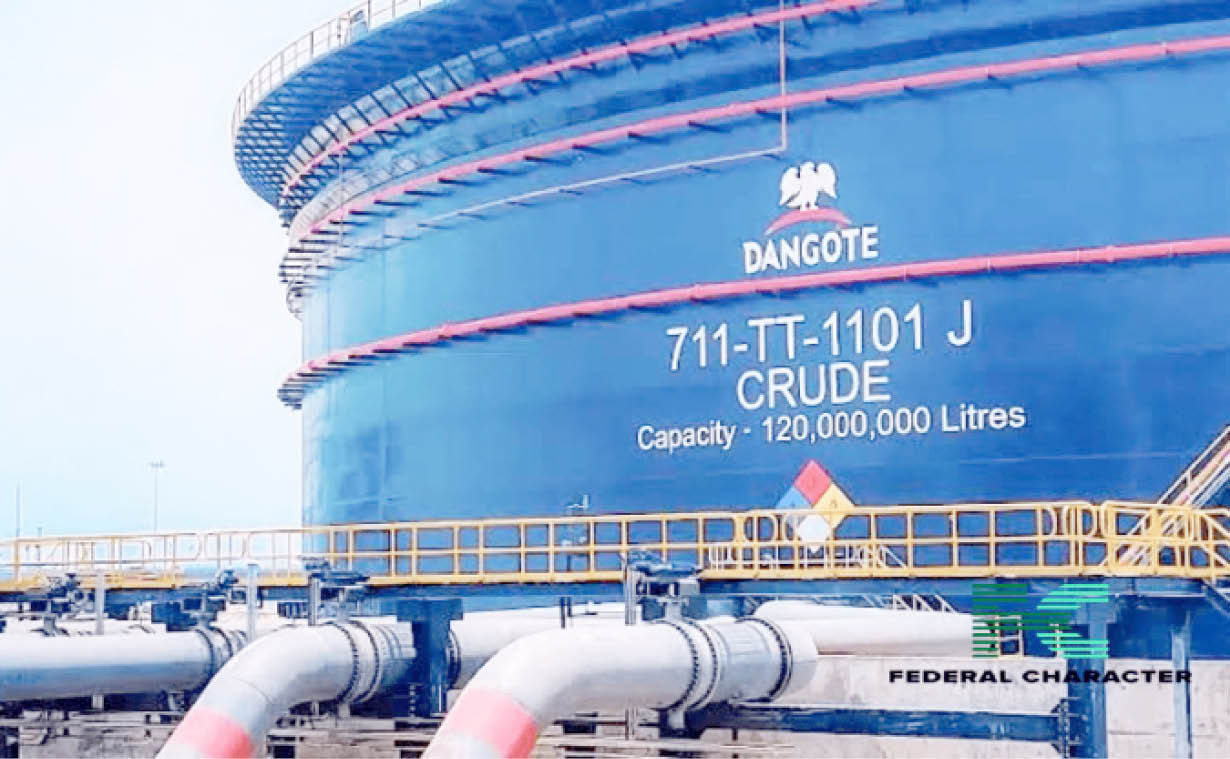
The Dangote Refinery, located in Lagos, Nigeria, represents a monumental shift in the country’s oil industry. As the largest single-train refinery in the world, designed to refine 650,000 barrels of crude oil per day, it is poised to transform Nigeria from a crude oil exporter into a self-sufficient oil-producing nation. This project not only aims to meet domestic fuel demand but also positions Nigeria as a key player in the global oil market.
Significance of the Dangote Refinery
Founded by billionaire businessman Aliko Dangote, the refinery is a critical part of the Nigerian government’s vision for economic diversification. Currently, Nigeria imports a significant portion of its refined fuel, which places a strain on foreign exchange reserves. The Dangote Refinery, expected to significantly reduce this dependence, is likely to enhance Nigeria’s economic stability and create numerous jobs in the process.
Current Developments and Timeline
As of late 2023, construction of the refinery is nearing completion, with extensive timelines reporting the plant to commence operations in early 2024. According to Dangote Industries, successful trials on the equipment have been conducted, and the facility is almost ready for full-scale production. Furthermore, partnerships with international companies for the supply of crude oil and distribution of refined products have been established, ensuring a seamless operation from inception.
Economic Impact
The economic implications of the Dangote Refinery are significant. By producing 38 million liters of petrol daily, Nigeria aims to become a net exporter rather than a net importer of petroleum products. This can reduce fuel prices, stimulate local industries by providing cheaper fuel, and generate foreign exchange earnings through exports of excess refined products.
Conclusion
The Dangote Refinery stands at the forefront of Nigeria’s ambition to revitalize its oil industry and achieve economic independence. With operational goals set for 2024, the project promises not just to mitigate the nation’s fuel import challenges but also to catalyze broader economic growth and job creation. As the refinery nears completion, stakeholders are optimistic about the positive changes this facility will bring to the Nigerian economy and the international oil market.