Introduction
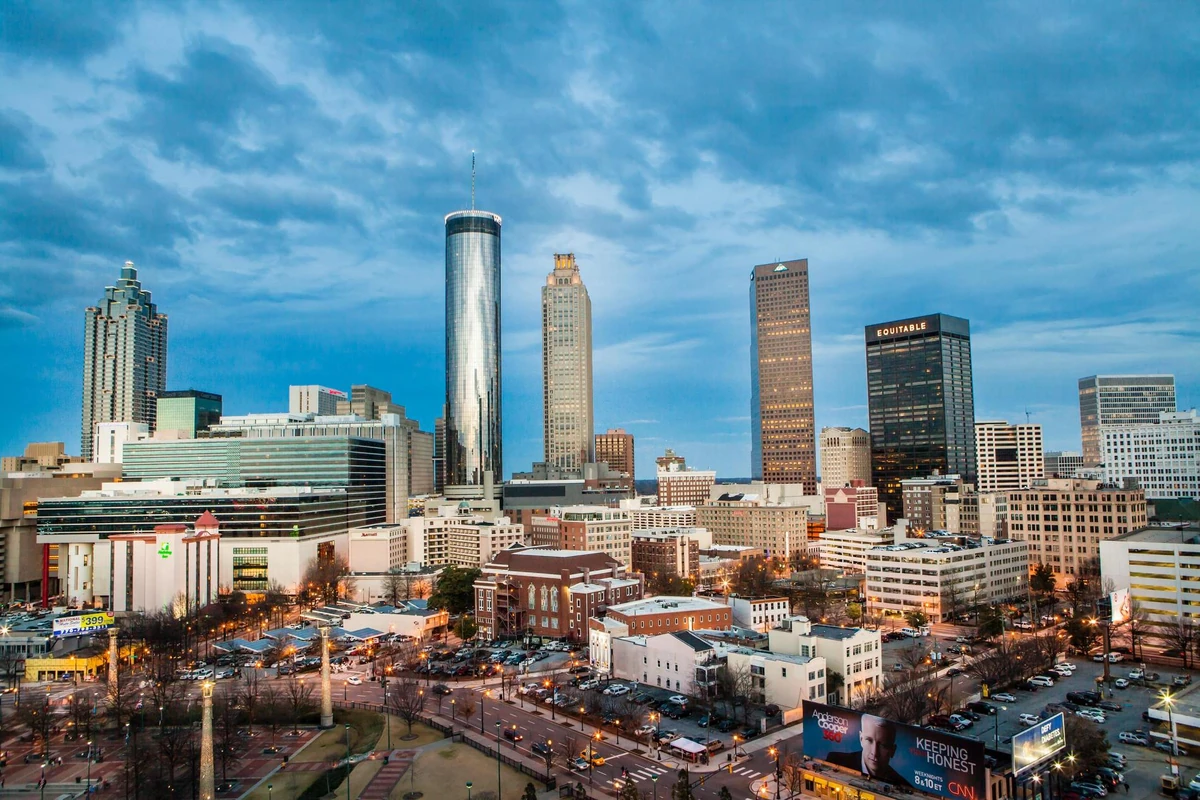
Atlanta, the capital of Georgia, stands as a beacon of cultural diversity and economic vitality in the southeastern United States. Known for its rich history, vibrant arts scene, and pivotal role in the civil rights movement, Atlanta is more than just a city; it is an evolving metropolis that shapes and reflects the societal changes of contemporary America. Understanding Atlanta is crucial not only for its residents but also for those looking to invest or engage with its dynamic environment.
Atlanta’s Cultural Landscape
The cultural depth of Atlanta is profoundly illustrated by its historical sites, museums, and thriving arts community. The Atlanta History Center, the Martin Luther King Jr. National Historical Park, and the High Museum of Art are just a few notable attractions that showcase the city’s dedication to preserving and celebrating its history and arts. Additionally, Atlanta hosts major events like the Atlanta Film Festival and the Atlanta Jazz Festival, drawing visitors from around the globe. This cultural richness not only enhances the quality of life for residents but also attracts tourists, contributing significantly to the local economy.
Economic Growth and Innovation
In recent years, Atlanta has emerged as a significant hub for business and innovation. With a robust economy that encompasses various sectors such as transportation, technology, and healthcare, the city has gained attention as a favorable destination for startups and established companies alike. Atlanta is home to major companies, including Coca-Cola, Delta Air Lines, and Home Depot, which have their headquarters in the area. The city’s tech scene is also booming, with numerous incubators and co-working spaces fostering innovation and entrepreneurship. Furthermore, the Hartsfield-Jackson Atlanta International Airport, one of the busiest airports in the world, enhances Atlanta’s connectivity and boosts its economy.
Future Prospects and Significance
Looking forward, Atlanta’s trajectory appears promising. The city’s continued investment in infrastructure, education, and technology positions it well for future growth. Urban development projects aim to enhance public transport and housing, ensuring the city remains livable amidst its rapid expansion. Moreover, initiatives focused on sustainability and inclusivity are vital for addressing the challenges of urbanization and fostering a diverse community. As such, Atlanta serves as a model for other cities striving for balance between growth and cultural preservation.
Conclusion
In conclusion, Atlanta emerges as an influential metropolis that balances a rich tapestry of culture with significant economic development. Its role as a cultural hub, coupled with its status as a center for innovation and business, makes it a noteworthy city to watch in the coming years. Residents and investors alike should consider the opportunities Atlanta presents as it continues to evolve, shaping the future while honoring its past.