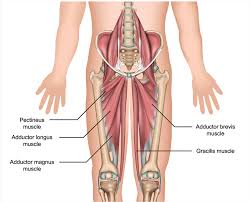
Introduction to Pubalgia Injury
Pubalgia injury, commonly referred to as sports hernia, affects many athletes, particularly those engaged in activities that involve sudden changes in direction or heavy physical exertion. Understanding this type of injury is critical, especially for active individuals who often underestimate its impact on their performance and overall health.
What is Pubalgia Injury?
Pubalgia is characterized by chronic groin pain that may arise from the weakening of the lower abdominal and pelvic floor muscles. It commonly arises in sports like soccer, hockey, and football, where athletes undergo intense physical demands. The condition is often misdiagnosed, as it may present similarly to other groin injuries.
Symptoms and Diagnosis
Key symptoms of pubalgia include persistent pain in the groin area, which may worsen during physical activity, and possible radiating pain to the inner thighs. Movements that involve twisting or sprinting may elicit discomfort. Diagnosis usually involves a comprehensive examination by a healthcare professional, often supplemented by imaging studies such as an MRI to confirm the presence of a sports hernia or underlying issues.
Causes of Pubalgia Injury
Several factors can lead to the development of pubalgia. Overuse, improper warm-up, abrupt changes in physical activity, and inadequate flexibility and strength in the abdominal and pelvic muscles are significant contributors. Moreover, athletes with imbalances in their core or hip muscles are at a greater risk of sustaining this injury.
Treatment Options
The treatment for pubalgia typically starts conservatively. Rest, ice therapy, and anti-inflammatory medications can help manage symptoms in the initial stages. Physical therapy is often recommended to strengthen core muscles and improve flexibility. In cases where conservative treatment is ineffective, surgical intervention may be necessary to repair any damaged tissues and alleviate pain.
Conclusion
Understanding pubalgia injury is vital for athletes and coaches alike, as early recognition and treatment can prevent complications and prolonged absence from sports. As awareness of the condition continues to grow, it becomes increasingly crucial for individuals engaging in high-risk activities to adopt preventive strategies, such as proper warm-up routines and strength training. By doing so, they can minimize their risk of encountering this debilitating injury and maintain optimal performance levels.