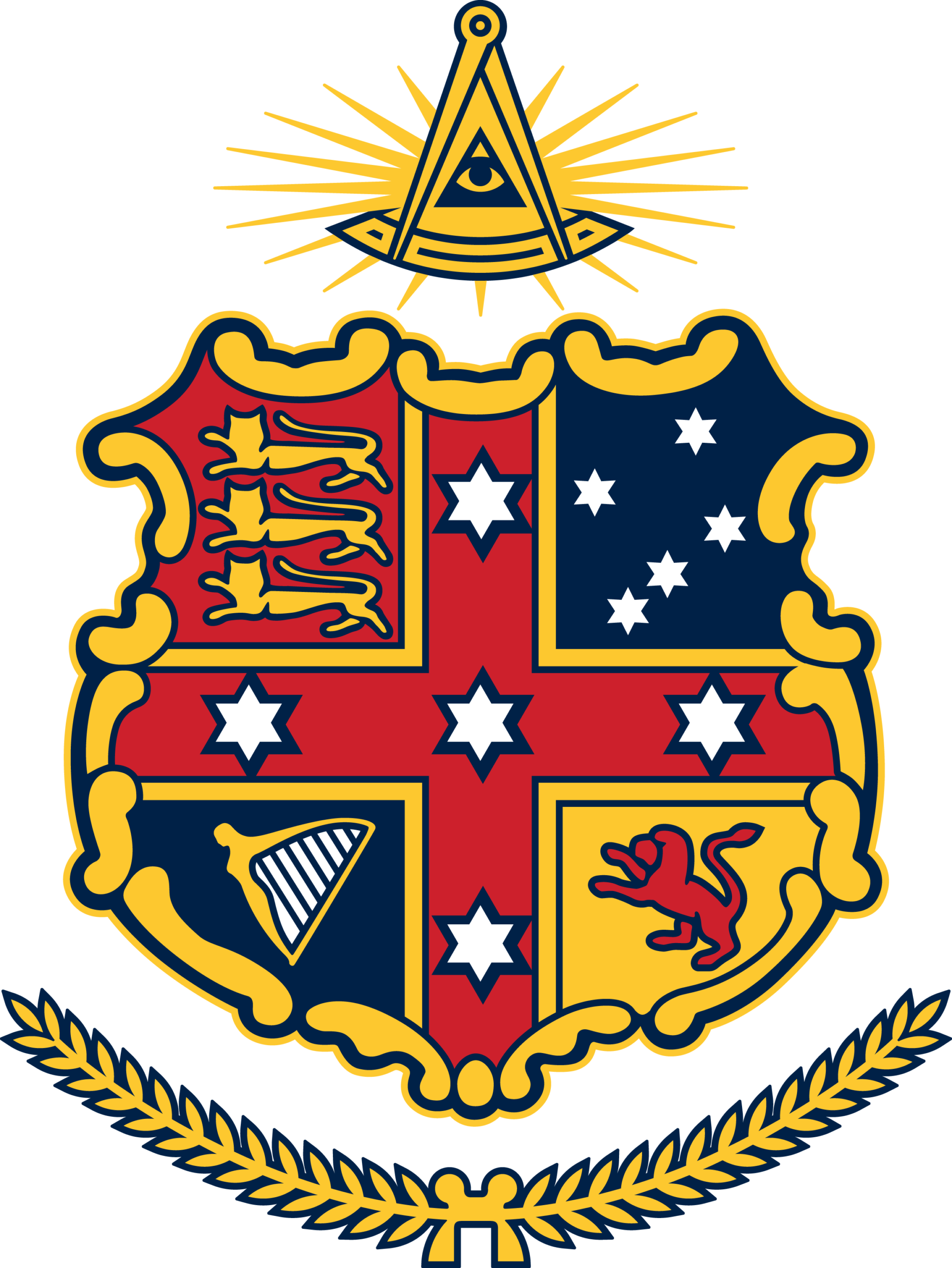
Introduction to the Freemasons
The Freemasons, one of the world’s oldest and largest fraternal organizations, play a significant role in social and charitable activities across the globe. Originating in the late 16th to early 17th century, the Freemasonic movement has cultivated a reputation steeped in secrecy, ritualism, and philanthropic endeavors. The relevance of this organization today is reflected in its contributions to community service and personal development, raising interest and awareness among those unfamiliar with its principles.
Historical Significance
The roots of Freemasonry can be traced back to the stonemason guilds in medieval Europe, which consisted of skilled craftsmen who constructed cathedrals and other monumental structures. As the guilds evolved into social organizations, the principles of brotherhood, morality, and charity became integral to the Masonic ethos. Notable historical figures, including George Washington, Benjamin Franklin, and Winston Churchill, were members, showcasing the influence of Freemasons on leadership and governance throughout history.
Modern-Day Freemasonry
In the 21st century, the Freemason community adapts to contemporary societal changes while maintaining its core values. There are an estimated six million Freemasons worldwide, actively involved in charitable initiatives and community projects. Modern lodges embrace diversity, welcoming individuals from various ethnic and religious backgrounds. This openness has led to a renewed interest among younger generations, seeking connection and purpose in an increasingly complex world.
Controversies and Misconceptions
Despite its philanthropic focus, Freemasonry is often shrouded in controversy, fueled by conspiracy theories and misconceptions of secrecy. Critics argue that the organization wields disproportionate influence in political and economic spheres. In contrast, Freemasons emphasize their commitment to moral values and community service, asserting that their operations are transparent and designed to uplift society.
Conclusion
The Freemasons continue to evolve while holding true to their foundational principles. Their enduring commitment to philanthropy and personal growth resonates with many in today’s society. As discussions surrounding fraternity and community engagement expand, understanding the role of the Freemasons is crucial. The organization exemplifies the balance between tradition and modern ideals, representing a unique pillar of social structure and moral guidance.