Introduction
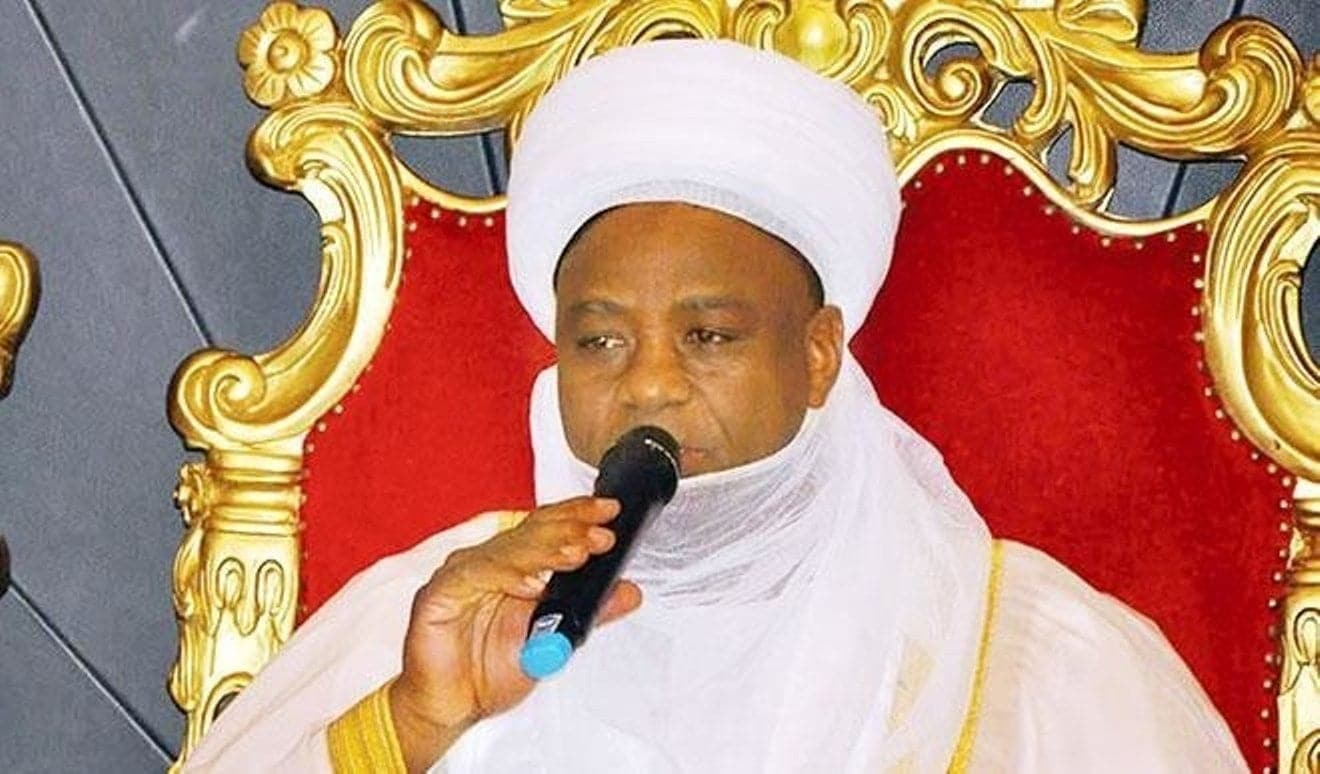
The Sultan of Sokoto is one of the most important and revered traditional rulers in Nigeria, particularly among Muslims. The position has historically played a vital role in the Islamic leadership within the country, influencing religious, political, and social dynamics. Understanding the Sultan’s role provides insights into the cultural identity and governance in Northern Nigeria.
The Role and Significance
The Sultan of Sokoto holds the title of the spiritual leader of Muslims in Nigeria. This position was established in the 19th century during the Fulani Jihad led by Usman dan Fodio. The Sultan’s influence extends beyond mere spiritual authority; he is an essential figure in mediating conflicts, distributing charity, and guiding the community in ethical and moral matters.
Recently, the current Sultan, Muhammad Sa’ad Abubakar III, has emphasized peace and unity among Nigerians of different faiths and communities. His leadership has been pivotal in promoting interreligious dialogue to foster national cohesion amidst rising social tensions. His voice often resonates in political discourse, as he urges both leaders and citizens to embrace tolerance and understanding.
Current Events and Initiatives
In recent months, the Sultan has taken a stand against violence, especially regarding kidnapping and banditry that have plagued Northern Nigeria. He has publicly supported various initiatives aimed at enhancing national security and providing social welfare programs. Moreover, he has been a significant advocate for education, launching programs to support Muslim girls’ education and reduce illiteracy rates in the region.
Notably, the Sultan’s recent call for vaccination against diseases, including COVID-19, showcases his commitment to public health and community well-being. By endorsing vaccination drives and health campaigns, he plays an instrumental role in educating the populace and dispelling misinformation regarding health interventions.
Conclusion
The Sultan of Sokoto remains a figure of significant influence in Nigeria’s sociopolitical and religious landscape. His efforts towards promoting peace, education, and health reflect the broader aspirations of many Nigerians for a cohesive society. As the challenges facing the nation evolve, the Sultan’s leadership will continue to be crucial in navigating these complexities, ensuring that the cultural and religious heritage of the region thrives amidst change. Ongoing attention to his initiatives is essential for understanding the interplay between traditional leadership and contemporary governance.