Introduction
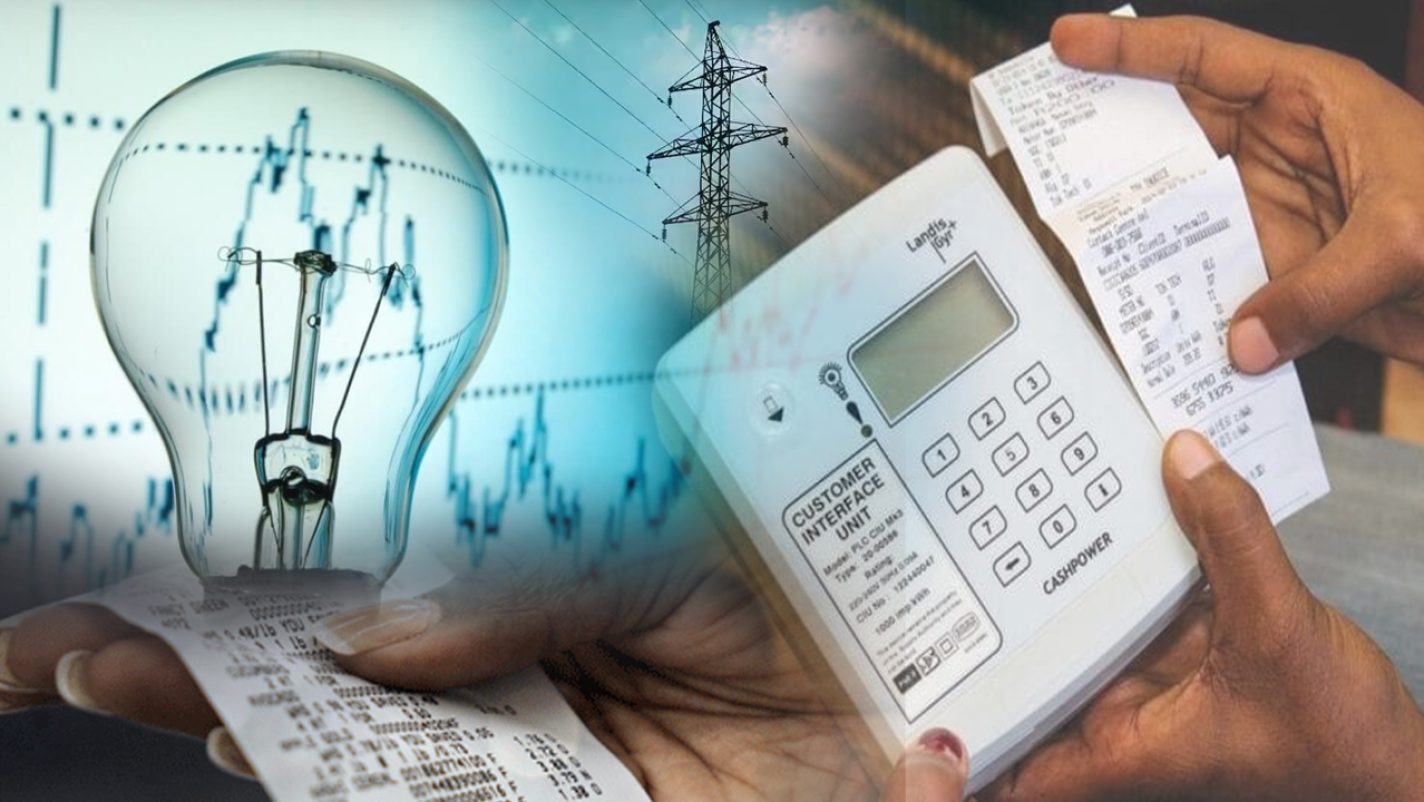
The recent decision by the Federal Government of Nigeria (FG) to ban electricity meter charges has generated significant discussions across the country. This move is aimed at improving accessibility to electricity for Nigerians, ensuring that more citizens can acquire meters without incurring additional costs. With the ongoing challenges in the power sector, this ban is timely and highlights the government’s commitment to enhancing the standard of living through better utility services.
Details of the Ban
On October 15, 2023, the Minister of Power announced this policy change during a press briefing in Abuja. The ban applies to all electricity distribution companies (DisCos) across the country and prohibits them from charging customers for electricity meters. Previously, many citizens faced high costs associated with acquiring and installing meters, which hampered their access to safe and reliable electricity.
The Minister stated that the government recognizes the financial burden placed on consumers due to meter procurement and installation fees. In response, the FG will work closely with DisCos to ensure that the distribution companies streamline their operations to comply with this new directive. This includes facilitating the allocation of meters to consumers at no cost, which is part of the government’s broader strategy to enhance the efficiency of the electricity supply system.
Impact on Consumers
The immediate impact of the ban is expected to benefit millions of Nigerians, particularly in underserved and remote areas where electricity access has been a longstanding challenge. Consumers will now be able to register for meters without having to worry about the financial implications, which may encourage more households to connect to the grid.
Experts in the energy sector have lauded the move, emphasizing that it could significantly reduce the incidence of estimated billing practices, which often leads to inflated electricity charges for consumers. With proper implementation, this policy could foster greater consumer trust in power distribution systems.
Conclusion
As the FG moves forward with this initiative, the long-term implications could be transformative for Nigeria’s power sector. The ban on electricity meter charges signals a significant shift towards more consumer-friendly policies. Stakeholders are optimistic that with effective management and oversight, more Nigerians will gain access to electricity services, which is pivotal for socio-economic development. Going forward, it will be crucial to monitor the implementation of this ban and ensure that citizens benefit as intended.