Introduction
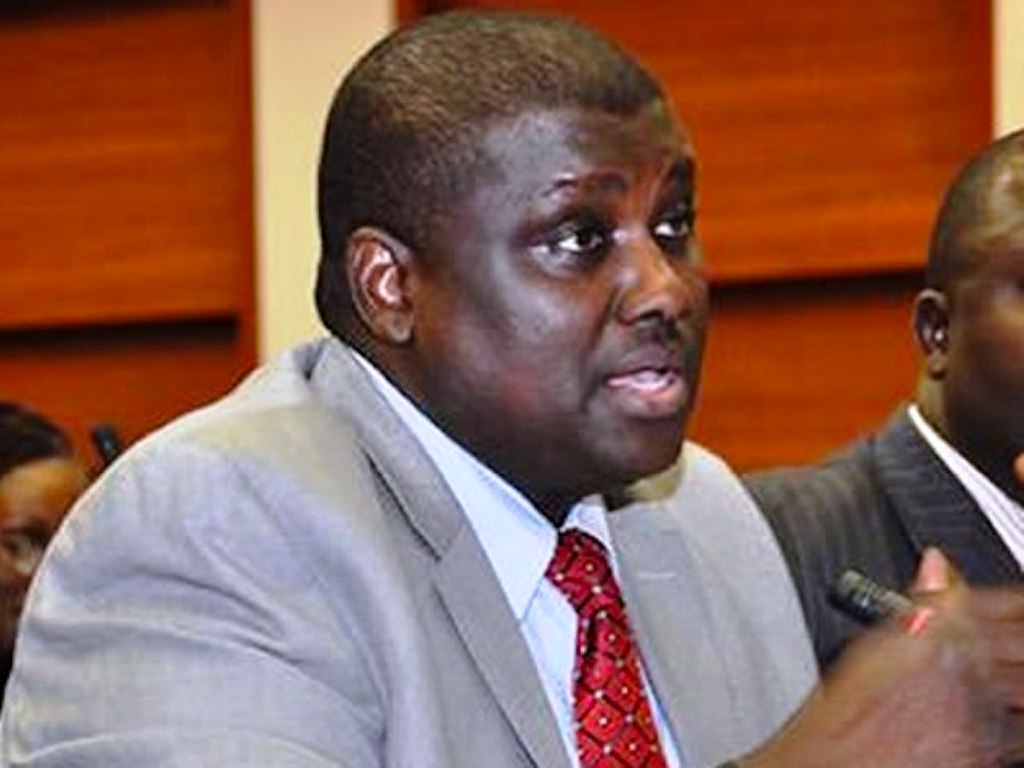
Abdulrasheed Maina, the former chairman of the Pension Reform Task Team, has been a significant figure in Nigeria’s political and financial landscape. His legal battles and corruption allegations have sparked public interest and debates over governance and accountability in the country. As of 2023, Maina’s court cases have returned to the limelight, drawing attention to ongoing issues regarding pension funds and government oversight.
Main Legal Challenges
In recent months, Abdulrasheed Maina has faced renewed scrutiny as he appeared in court for ongoing corruption charges. Initially arrested in 2019 for allegedly embezzling over N2 billion from pension funds, Maina’s case has seen various twists and turns, including his brief escape from the law enforcement agencies. In July 2023, he was found guilty and sentenced to over 60 years in prison for multiple counts of fraud and money laundering.
Reactions from the Public and Officials
The public outrage surrounding Maina’s actions reflects a growing impatience with corruption in Nigeria. Social media has erupted with mixed reactions, with many citizens stressing the need for accountable leadership while others criticize the judicial system for perceived leniency in high-profile corruption cases. Officials from different parts of the government continue to advocate for deeper reforms to prevent such corruption cases in the future.
Implications for Governance
Maina’s legal challenges serve as a litmus test for the Nigerian judicial system and its capacity to handle corruption cases effectively. The outcome of his ongoing appeals is likely to influence future prosecutions of corrupt officials and shape public perceptions regarding the state of governance and rule of law in Nigeria. Observers believe that the case could deter or embolden other corrupt practices depending on how firmly it concludes.
Conclusion
Abdulrasheed Maina’s case remains a significant reference point in Nigeria’s battle against corruption. As the legal proceedings advance, the implications for public trust in institutions and governance standards will be closely watched. The discourse surrounding this high-profile case will likely continue, urging citizens and leaders alike to reevaluate their roles in supporting transparent governance. The significance of this case also extends to the need for systematic changes in how allegations of corruption are handled in Nigeria, proving that accountability remains a critical component in the fight against corruption.