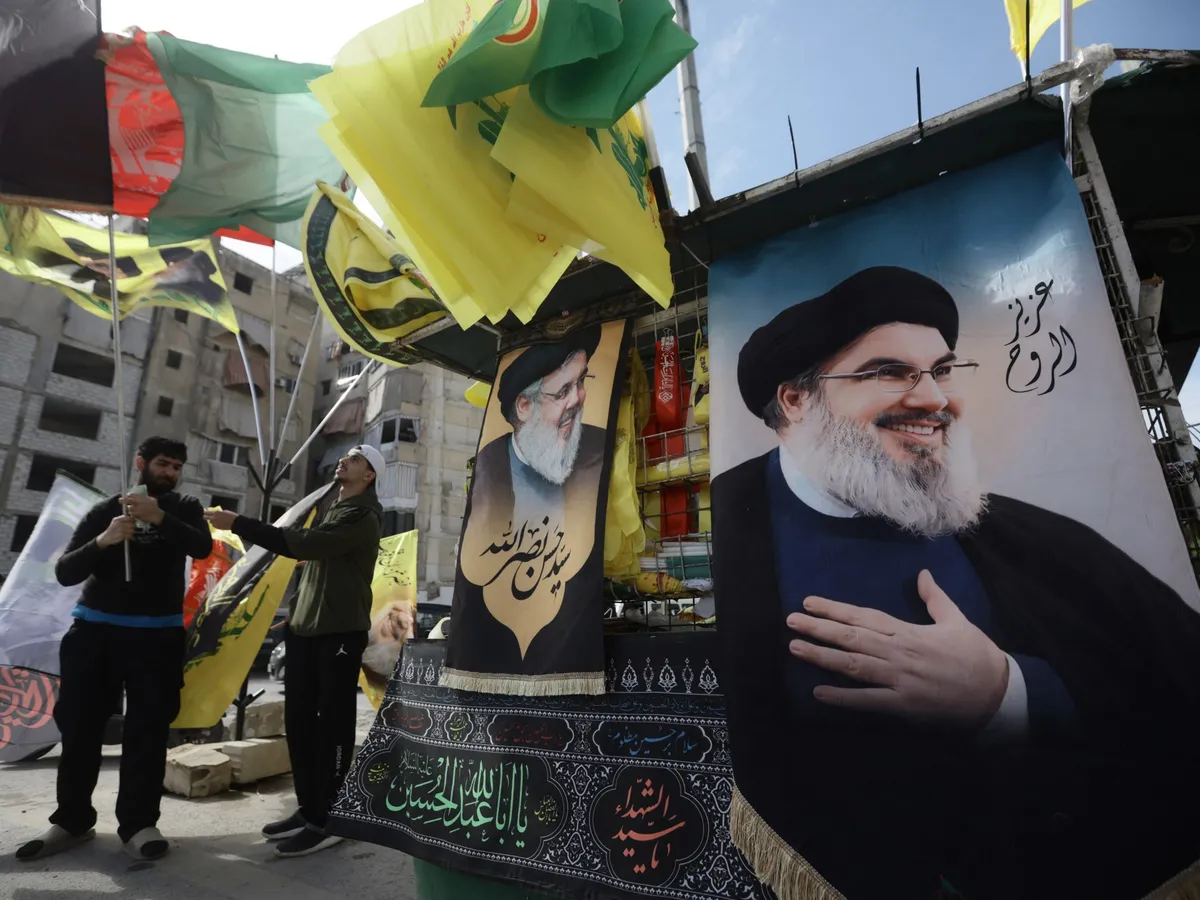
Hezbollah’s recent military operations against Israel challenge assumptions about its decline, particularly after a ceasefire in November 2024. The group has returned to the battlefield in southern Lebanon, raising concerns about stability in the region.
Hezbollah has made it clear that it will not accept a one-sided ceasefire. In a bold statement, their military leader announced plans to resume suicide operations targeting Israeli interests. This shift signals a reassertion of power after significant leadership losses.
That context matters because Hezbollah draws much of its support from Lebanon’s Shia Muslim community, which remains loyal despite the group’s struggles. The Lebanese government faces pressure as negotiations between Lebanon and Israel continue, with the U.S. acting as a broker.
Recent statistics underscore the intensity of the conflict: since early March, Israeli attacks have resulted in over 2,600 deaths in Lebanon, including 350 fatalities on just one day, April 8. Meanwhile, Hezbollah has reportedly lost around 1,900 operatives due to IDF actions.
Key developments:
- Hezbollah has deployed reinforcements and advanced weaponry to southern Lebanon.
- The group has utilized fiber-optic-controlled drones against Israeli forces, leading to casualties among Israeli soldiers and contractors.
- Kassem Kassir noted that despite perceptions of defeat, Hezbollah has successfully realigned its ranks.
This resurgence raises critical questions about the future role of Hezbollah in Lebanon and its relationship with Iran. Joseph Daher remarked that discussing Hezbollah’s future is inherently tied to Iran’s influence in the region.
As negotiations progress, uncertainties linger. Officials have not disclosed how these talks will impact ongoing hostilities or Hezbollah’s operational strategies moving forward. Still, Kassem Kassir emphasized that “all possibilities are still on the table,” indicating potential for further escalation.