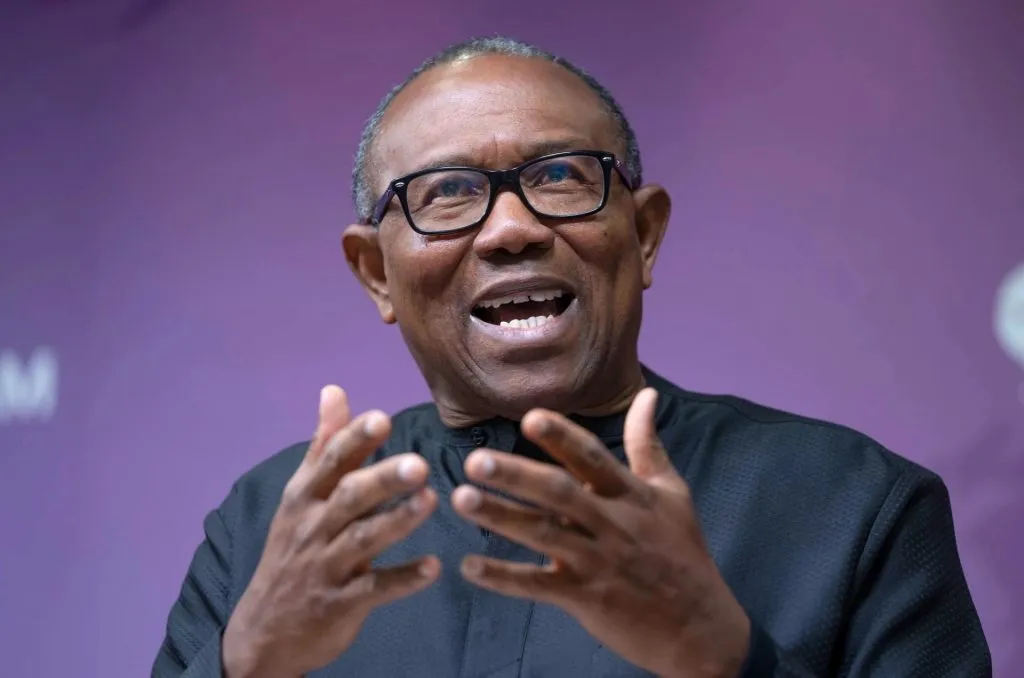
“Let me state clearly: my decision to leave the ADC is not because our highly respected Chairman, Senator David Mark, treated me badly, nor because my leader and elder brother, Alhaji Atiku Abubakar, or any other respected leaders did anything personally wrong to me,” stated Peter Obi as he announced his departure from the African Democratic Congress (ADC) on May 3, 2026.
This move underscores the ongoing turmoil within Nigerian political parties as Obi seeks a new platform for his ambitions. He has cited endless court cases, internal battles, suspicion, and division as reasons for leaving the ADC. Notably, he is joining the National Democratic Congress (NDC) in preparation for the upcoming 2027 general elections.
That context matters because it illustrates the fractured state of Nigerian politics today. With various factions at play and leaders like Obi and Rabiu Kwankwaso departing from the ADC simultaneously, it raises questions about party unity and strategic direction. Previously, Obi ran for president on the Labour Party platform in 2023 but faced challenges that influenced his current decision.
Obi described Nigeria’s political climate as increasingly toxic. He emphasized that his departure is not rooted in personal grievances with party leaders but rather a necessity to pursue societal improvement. “I am desperate to see a society that can console a mother whose child has been kidnapped or killed while going to school or work,” he stated passionately.
This sentiment reflects broader societal issues that many Nigerians face daily. The internal battles within parties often distract from addressing pressing concerns like security and hunger. “I am desperate for a country where Nigerian citizens do not go to bed hungry, not knowing where their next meal will come from,” he added.
As Peter Obi transitions to the NDC, his focus remains on improving conditions in Nigeria rather than seeking power for its own sake. This shift could reshape alliances and strategies leading into the 2027 elections, especially given that both court cases and internal disputes continue to challenge many political figures.
The next expected development will be how these changes influence voter sentiment and party dynamics as Nigeria approaches its crucial electoral period. With leaders like Obi advocating for change amidst ongoing turmoil, the landscape of Nigerian politics may witness significant shifts ahead.