What does International Women’s Day signify for gender equality?
International Women’s Day, celebrated annually on March 8, raises critical questions about the status of women worldwide. As we approach International Women’s Day 2026, the focus will be on the contributions of women to democracy and the ongoing gaps in gender equality that persist across various sectors.
The stark realities faced by women
Recent statistics highlight alarming trends affecting women and girls. In 2024, approximately 4,000 adolescent girls and young women are expected to newly acquire HIV each week, with 3,300 of these infections occurring in sub-Saharan Africa. These figures underscore the intersection of health and gender inequality, as HIV thrives where such disparities exist.
Violence and decision-making power
Moreover, nearly one in four adolescent girls experiences physical or sexual violence before the age of 20. This statistic not only reflects the urgent need for protective measures but also highlights the broader societal issues that contribute to such violence. Fewer than half of women globally can make their own decisions regarding sex, contraception, and health care, further illustrating the systemic barriers they face.
Voices advocating for change
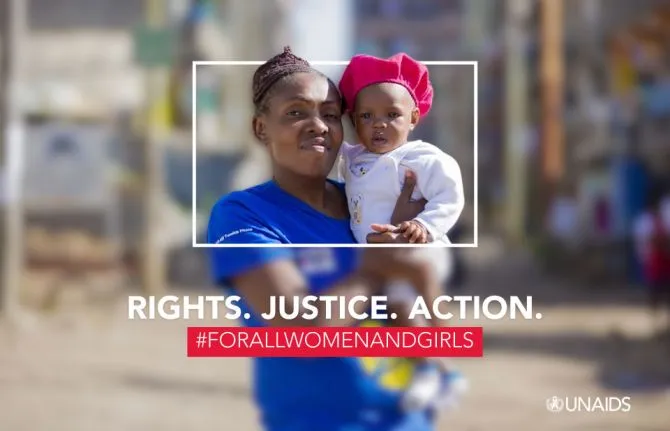
Prominent figures in the fight for gender equality have emphasized the importance of addressing these issues. Kevin Casas-Zamora stated, “Rights. Justice. Action. For ALL Women and Girls,” encapsulating the essence of the movement. Winnie Byanyima, a leading advocate, remarked, “HIV thrives where gender inequality persists,” drawing attention to the urgent need for comprehensive solutions that address both health and gender disparities.
The role of gender justice
As we reflect on these challenges, it is crucial to recognize that gender justice is not merely a women’s issue; it is about accountability and transformation within societies. Rev. Dr. Marcia Blasi articulated this sentiment, asserting, “Gender justice is not optional. It is part of our calling.” This perspective invites a broader understanding of the responsibilities shared by all members of society in the pursuit of equality.
Looking ahead
International Women’s Day serves as a platform to celebrate women’s contributions to democracy while also highlighting the urgent need for action against gender-based violence and health disparities. The path forward requires collective efforts to ensure that women’s rights are recognized and upheld, fostering environments where they can thrive.
As we approach International Women’s Day 2026, the call for gender justice remains as vital as ever. While significant progress has been made, much work lies ahead to bridge the gaps in equality and ensure that all women and girls can live free from violence and discrimination. Details remain unconfirmed about specific initiatives planned for the day, but the commitment to advancing women’s rights continues to resonate globally.