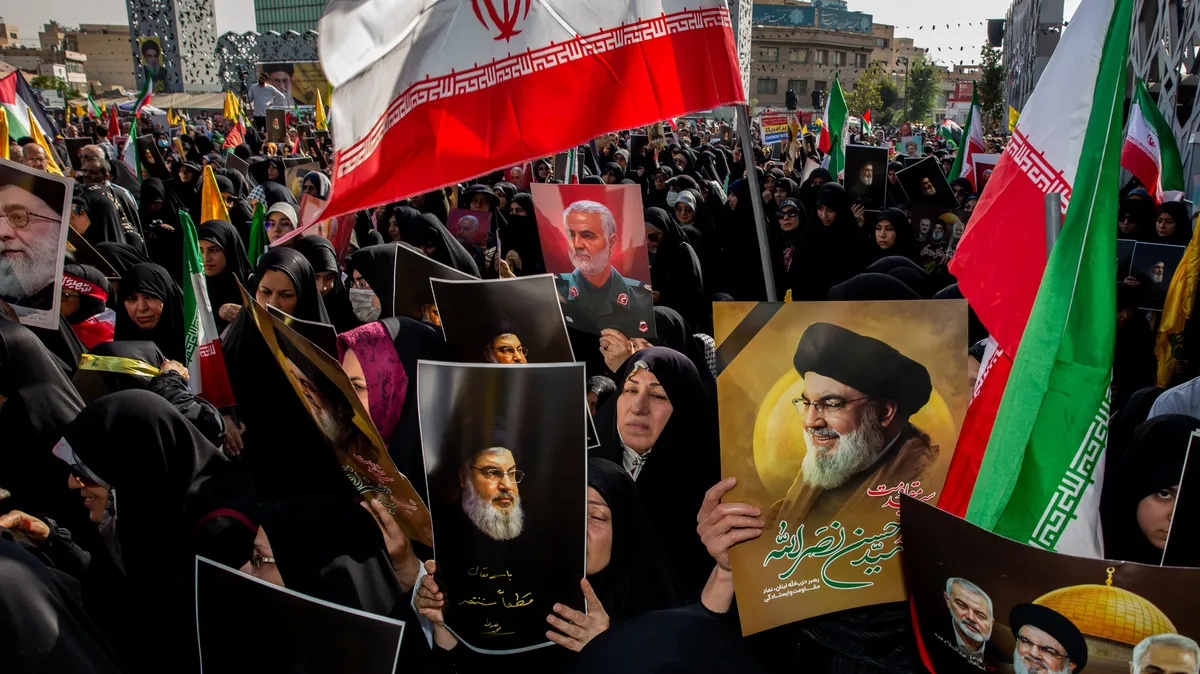
Impact of the Ongoing Conflict
The Israel Iran conflict has entered a critical phase, now in its seventh day, marked by extensive military strikes that have resulted in at least 1,332 fatalities in Iran alone. The situation has escalated significantly, with both US and Israeli forces actively engaging in operations against Iranian military targets. The Israeli military has reported conducting approximately 2,500 strikes, claiming to have neutralized 80 percent of Iran’s air defense capabilities.
Military Actions and Casualties
On a single day, Israel reportedly struck over 400 targets in western Iran, further intensifying the conflict. In response, Iran’s Revolutionary Guard Corps announced the initiation of its 23rd wave of strikes, indicating a sustained military effort. The US Central Command has also been involved, striking around 200 targets in Iran over the last 72 hours. The cost of these military operations has been substantial, with estimates indicating that the first 100 hours of Operation Epic Fury alone have cost approximately $3.7 billion.
Regional Repercussions
The conflict has not only affected Iran but has also led to significant regional instability. An Iranian missile struck a state-run oil refinery in Bahrain, although the fire was contained. Additionally, the US has suspended operations at its embassy in Kuwait City following retaliatory strikes from Iran. The situation has prompted evacuations in Lebanon, with Israel heavily bombarding the region and issuing warnings for residents in Beirut’s southern suburbs.
Political Responses and International Involvement
The political landscape is also shifting, as evidenced by the recent vote in the Republican-led US House of Representatives, which narrowly rejected an effort to halt military actions against Iran, with a vote tally of 219 to 212. This reflects a strong commitment from certain factions within the US government to continue supporting Israel’s military operations. Meanwhile, Egyptian President Abdel Fattah el-Sisi has expressed concerns about the economic state of his country, describing it as being in a “state of near-emergency” due to the ongoing conflict.
Statements from Key Figures
Prominent figures have made statements regarding the conflict’s progression. Former President Donald Trump remarked that Iran is being “demolished, ahead of schedule and at levels people have never seen before.” In contrast, Iranian officials have warned that their forces are “waiting” for a potential US ground invasion, threatening to capture thousands of US troops if such an event occurs. Israeli Minister Bezalel Smotrich has indicated that the Dahiyeh area of Beirut would soon resemble Khan Younis, highlighting the anticipated destruction in Lebanon.
Current Statistics and Trends
As the conflict continues, there have been notable changes in military engagement. Reports indicate a 90 percent decrease in Iran’s ballistic missile attacks and an 83 percent decrease in drone attacks since the onset of hostilities. This suggests a significant impact from the ongoing military operations. Furthermore, around 20,000 Americans have evacuated from the Middle East amid rising tensions.
Future Developments
The situation remains fluid, with uncertainties surrounding the next steps both militarily and politically. Iraqi forces recently intercepted a drone targeting a military base housing US assets near Baghdad International Airport, underscoring the ongoing threats in the region. As military actions persist, the potential for further escalation remains high, and details about the conflict’s evolution continue to unfold.